THE UNDERDOGS PT.3

“Outcasts, pariahs, underdogs, rotten tomatoes, rejects, untouchables, oath-breakers, scapegoats, that's what we call them!”
uvodka jan

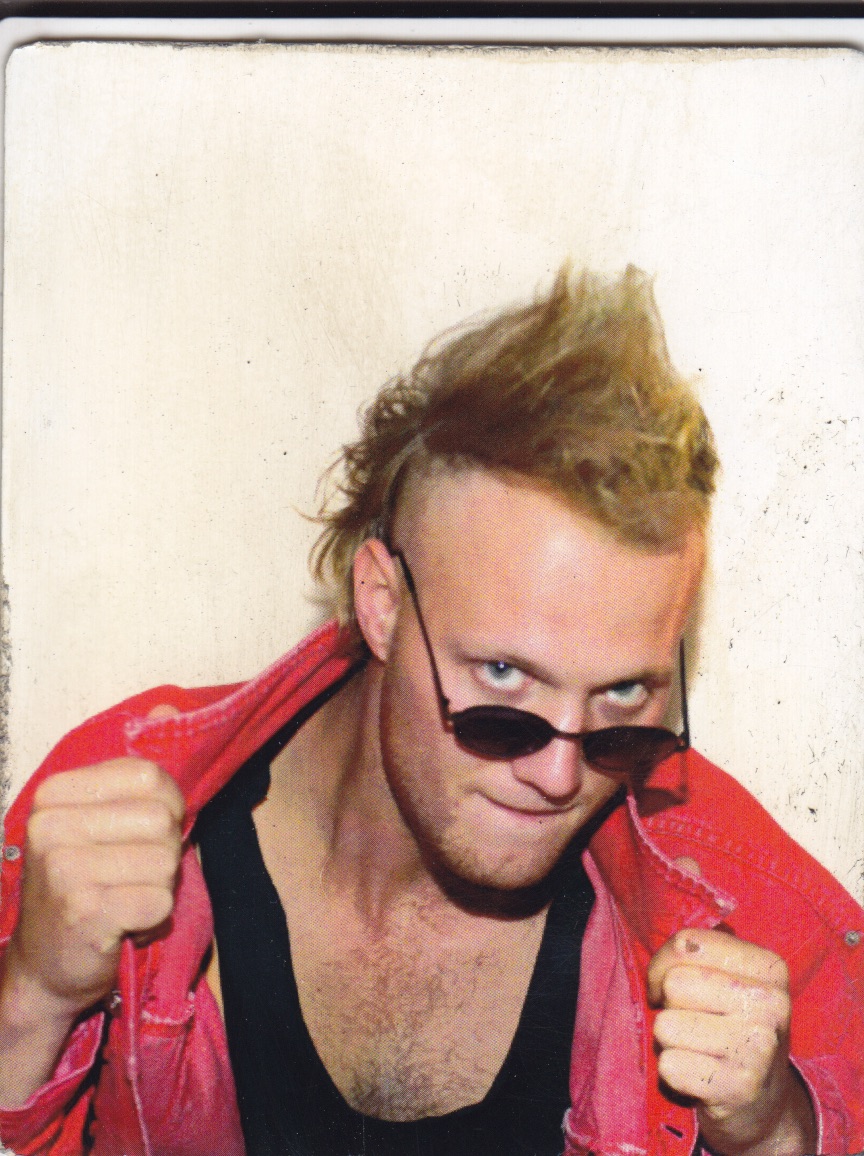
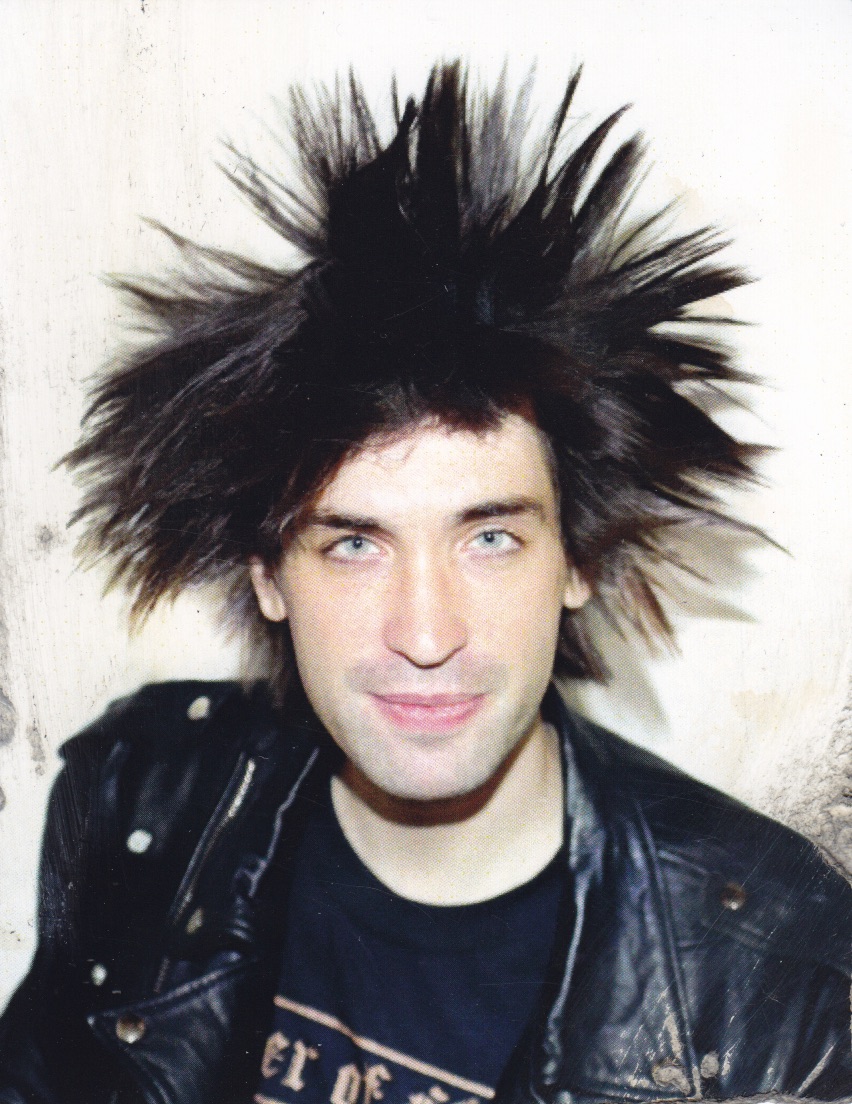
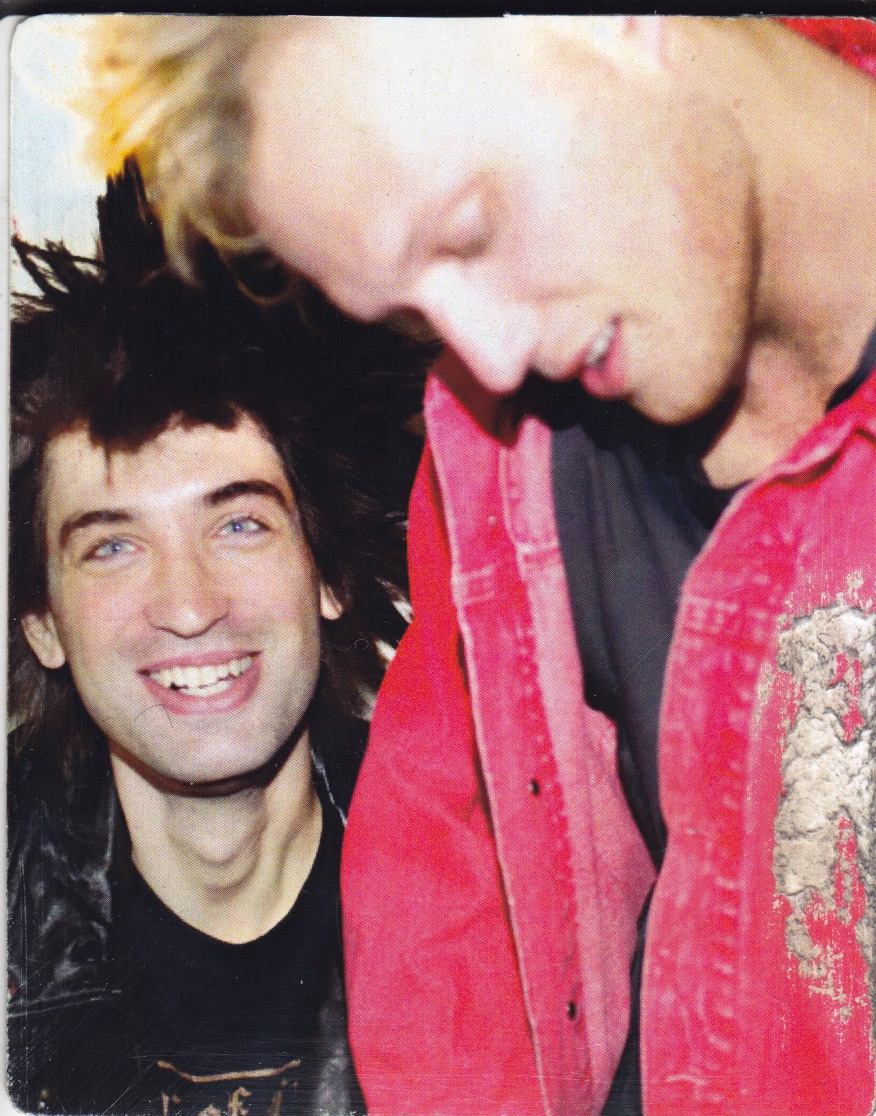
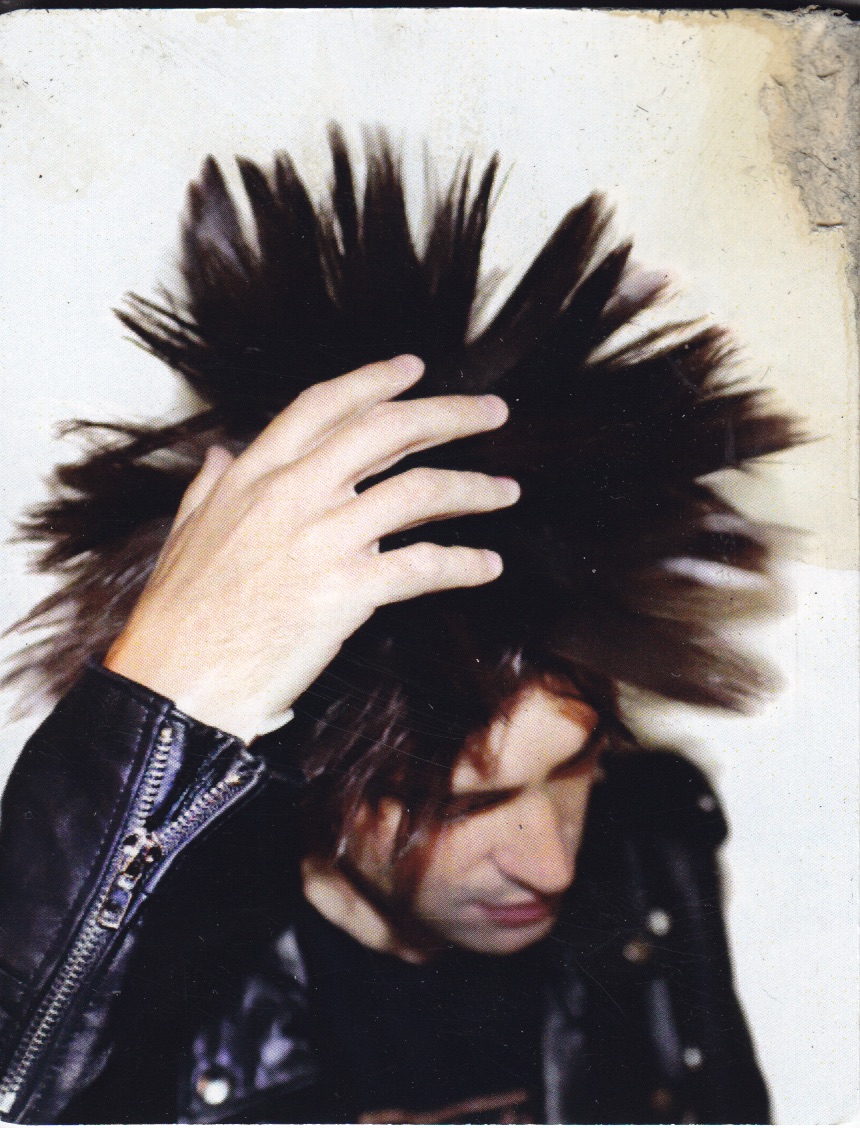
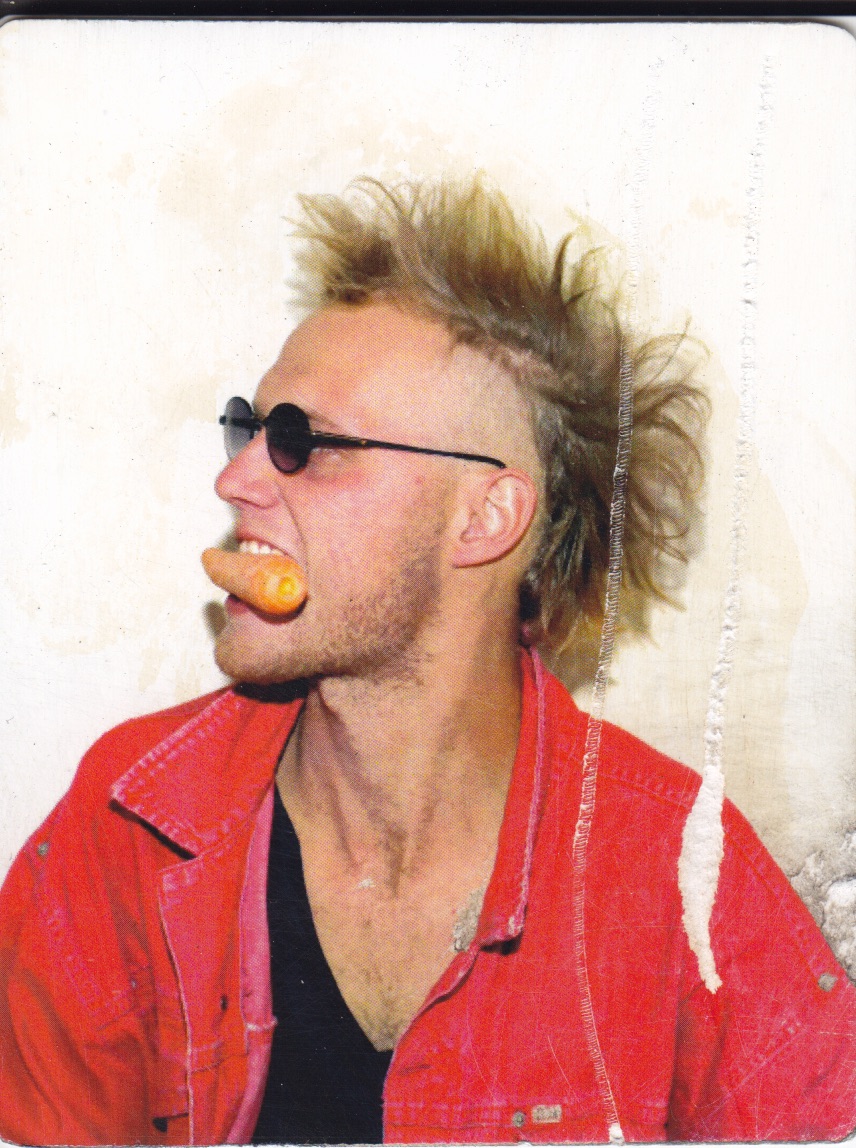
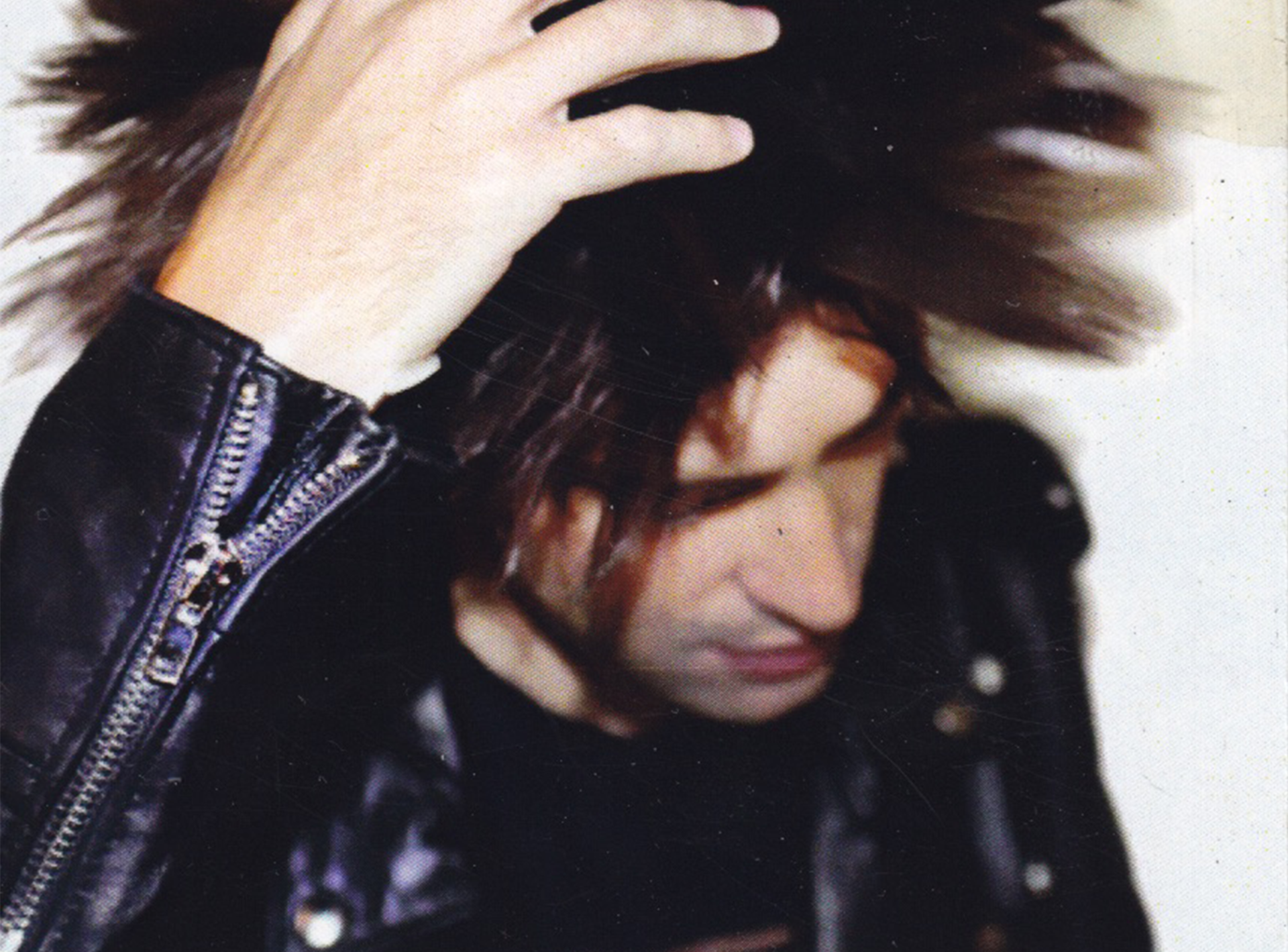
Petr and Jan /

Hi guys, do you think that clothing can genuinely express an opinion or it’s too superficial for that?

P: I don’t think about this at all. It’s good to take it easy, as something between work and fashion. And girls like it.

J: I express an opinion through what I wear, like now when I have a black metal T-shirt with a band I actually listen to even though I know it’s in fashion right now, especially metal typography. 

Do you think punk still exists in its original form?

P: Sure, the subculture that exists here is still the same, there are still punk bands and concerts, it still lives.

Does punk music have an impact on today’s young generation or do you think they don’t listen or care for it much?

J: The punk as a movement is still here, even though some kind of electronic music probably has the upper hand today, but you can see the intersection and evolution of various genres.

IMG_0011
IMG_0007

Do you think that that punk is still evolving here?

P: People still like so I guess it still has meaning.

J: It’s not really apparent nowadays but the older genres such as punk and metal are a bit sidelined when we speak of younger generations. But I guess Tomáš has already explained everything. (laughter)

Is there a club or a venue in Prague you like or is there something interesting underway?

P: The Altenburg 1984 ship in the Holešovice quarter (sadly, soon to be defunct). It’s a kind of a secluded and hidden place you discover, you don’t disturb anyone and, at the same time, it’s close to the Letná quarter where everything happens. In three years, there probably will be no Altenburg because they’re supposed to build office buildings nearby but I hope the ship will sail somewhere else. (Editor’s spoiler alert: it didn’t.)

J: The clubs I go to have been around for some time, I will say Eternia or Strahov 007.

IMG_0014

What kind of music do you listen to?

J: Right now, I listen to doom or black metal albums but specific ones – I don’t like all of black metal, I prefer the more listenable kind. Other than that, I listen to pretty much anything.

P: I also listen to many genres but I especially like the post-punk stuff. Sadly, it’s starting to sound all the same to me, probably because it was the hype around me recently. I don’t mind going to an electro or techno event.

When you buy new clothes, do you take into account how and where it was made?

J: I’m not the type to think long and hard about it but when I do, it’s mostly with food, not clothes. 

P: I mostly buy from second hands, the new stuff I buy I usually cut or degrade somehow. I’m trying to buy more quality brands now, such as Carhart, where they work with old machines that were used for sewing military uniforms so I believe the clothes will last longer and I will need to buy stuff less often. I would like to have a denim jacket for life.

IMG_0010
IMG_0012

Credits
Photo & Interview / Markéta Kosinová
PH Assistant & Styling / Kateřina Hynková
Hair / Michael Remo Birrer
Translation / Františka Blažková

Sunglasses / Optiqa

Did you like it?
Share it with your friends

You may also like

“It is a story about a long night, about everything that disappears during the day and only comes out after dusk.” Polish fashion designer Pat Guzik breathes new life into her garments by collaborating with visual artists, such as Aleksandra Waliszewska and Zbiok Czajkowski, whose dreamy and tongue-in-cheek works adorn the skirts, sweatshirts, jackets, and other ready-to-wear pieces by the designer.
French painter and illustrator Sébastien Pastor navigates between naïve figuration and abstract expressionism, building visual worlds where bold color palettes pulse with rhythm and absurdity. Discover how his colorblindness became a creative signature and how he leaves room for the enigmatic in his works.
Spanish illustrator Laura Mestre transforms emotional overflow into tender visual poetry, using symbols of water, flowers, and cracks to map the quiet beauty hidden within difficult experiences. Discover how metamorphosis, instinct, and a fanzine called "Hay que volver" helped her reclaim drawing as both refuge and release.
Czech painter Lukáš Šmejkal traces the unstable boundary between body and terrain, composing lyrical visual assemblages where electric pylons become threads and human figures dissolve into the landscapes they inhabit. Discover how photography, movement, and Baroque verticality shape his meditations on perception in today's interview.