QUAINT MOMENTS

Do football goals suffer from occupational hazard? Belgian illustrator Léo Gillet gives us the answers to even more pressing questions in his detailed and multilayered pieces done with felt-tip pens, markers and pencils. Enjoy the exclusive SWARM Mag interview.
leo uvodka

Are you working on something new at the moment? 

I always have a lot of ideas and projects in mind and that is what keeps me motivated. I am currently working hard on a comic book project. When I am feeling ready, I will look for a publisher that fits my style.

le banquet de Chamesson

What influenced your aesthetic and current style?

I have always drawn. There was never any triggering factor that led me to do that. I feel like drawing is a part of me and is a real addiction. Drawing makes me feel peaceful. To be honest, I don’t know much about comics; I haven’t read many comic books and those I read when I was a kid were very basic. That might explain the big noses and the childish/naive spirit of my artwork. Currently, I enjoy mixing the classical comics style with the freedom that contemporary comics offer.

les shlags en rando
Snímek obrazovky 2020-12-21 v 19.29.57

What is the narrative and intent behind your works and technique?

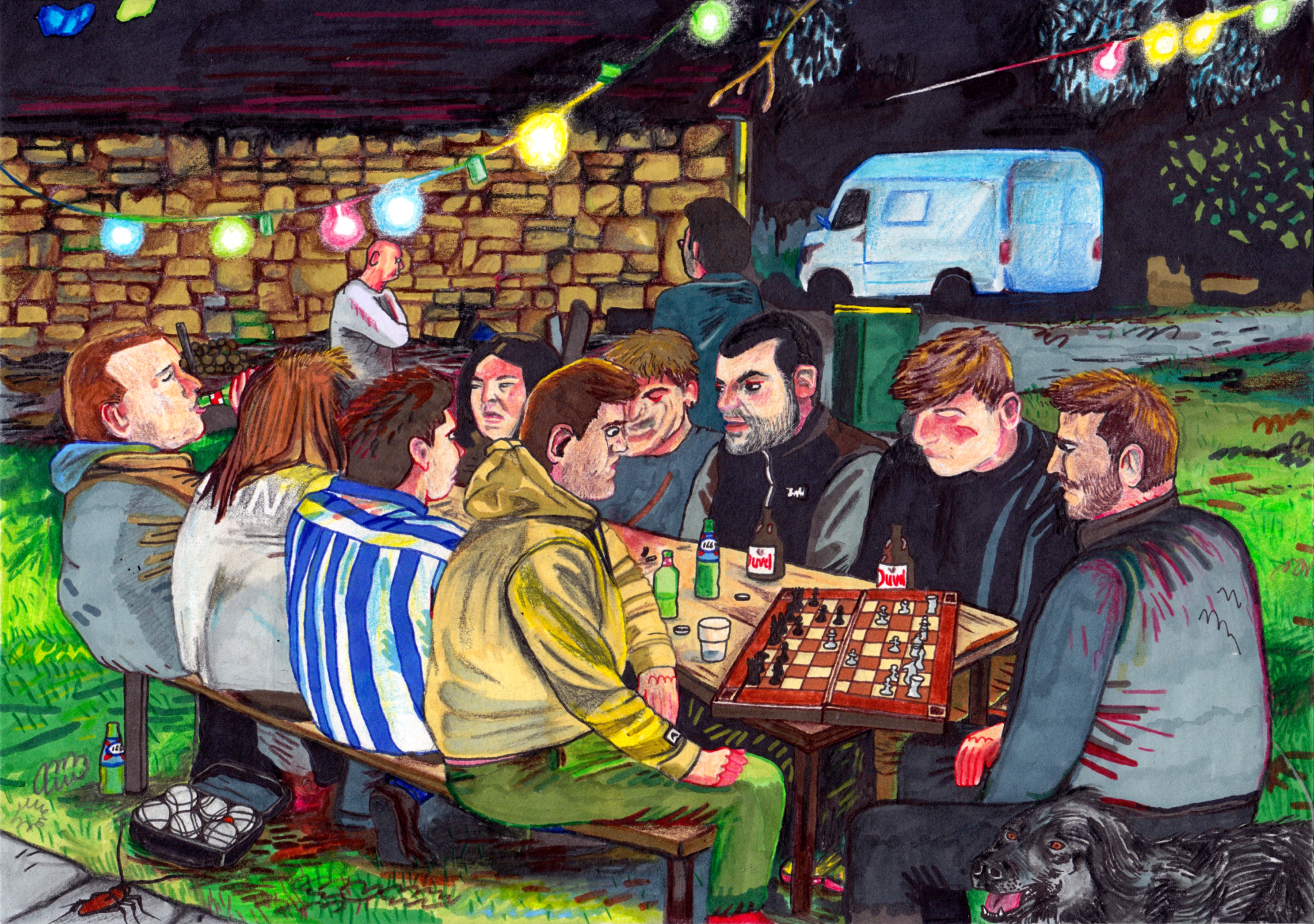
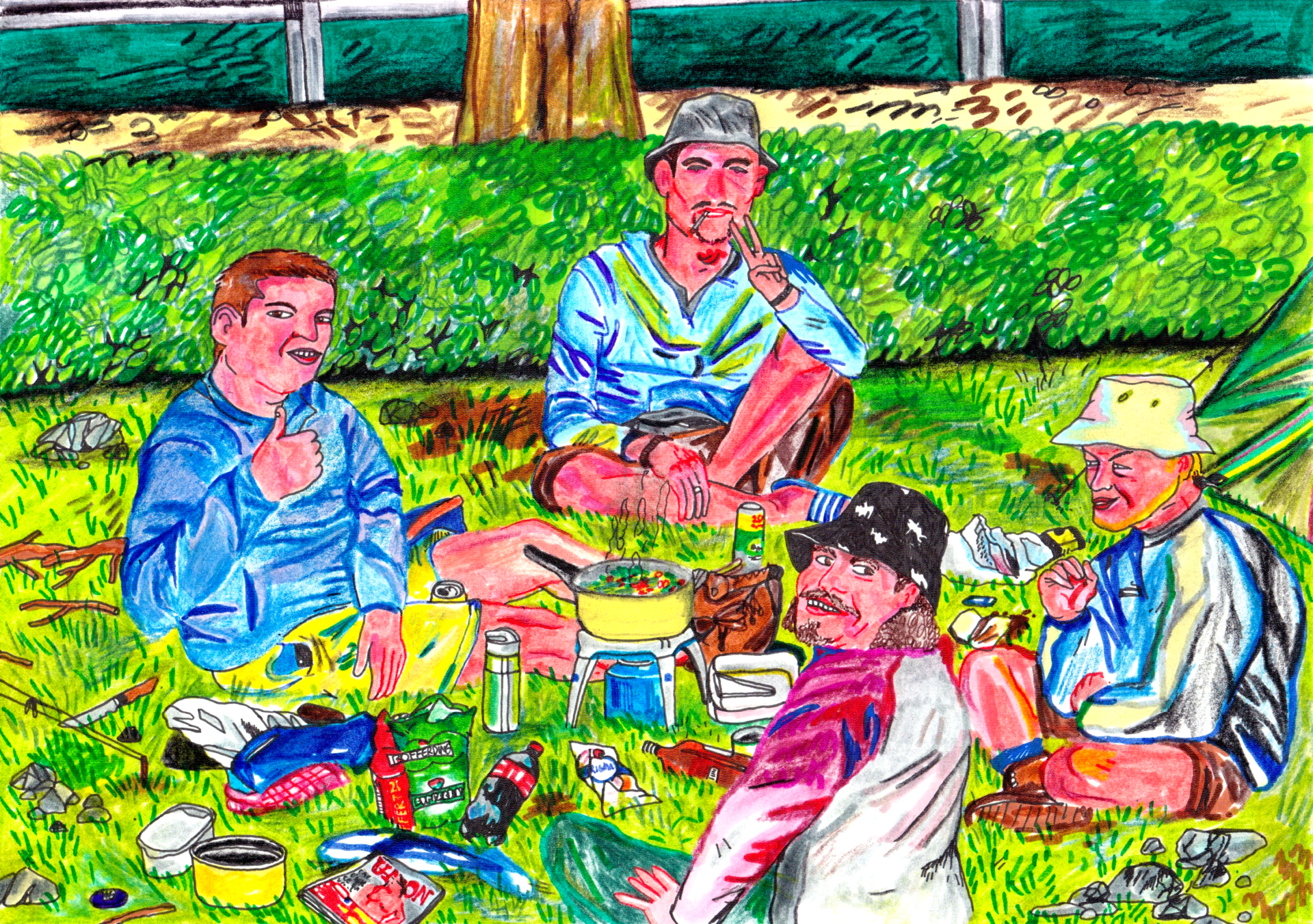
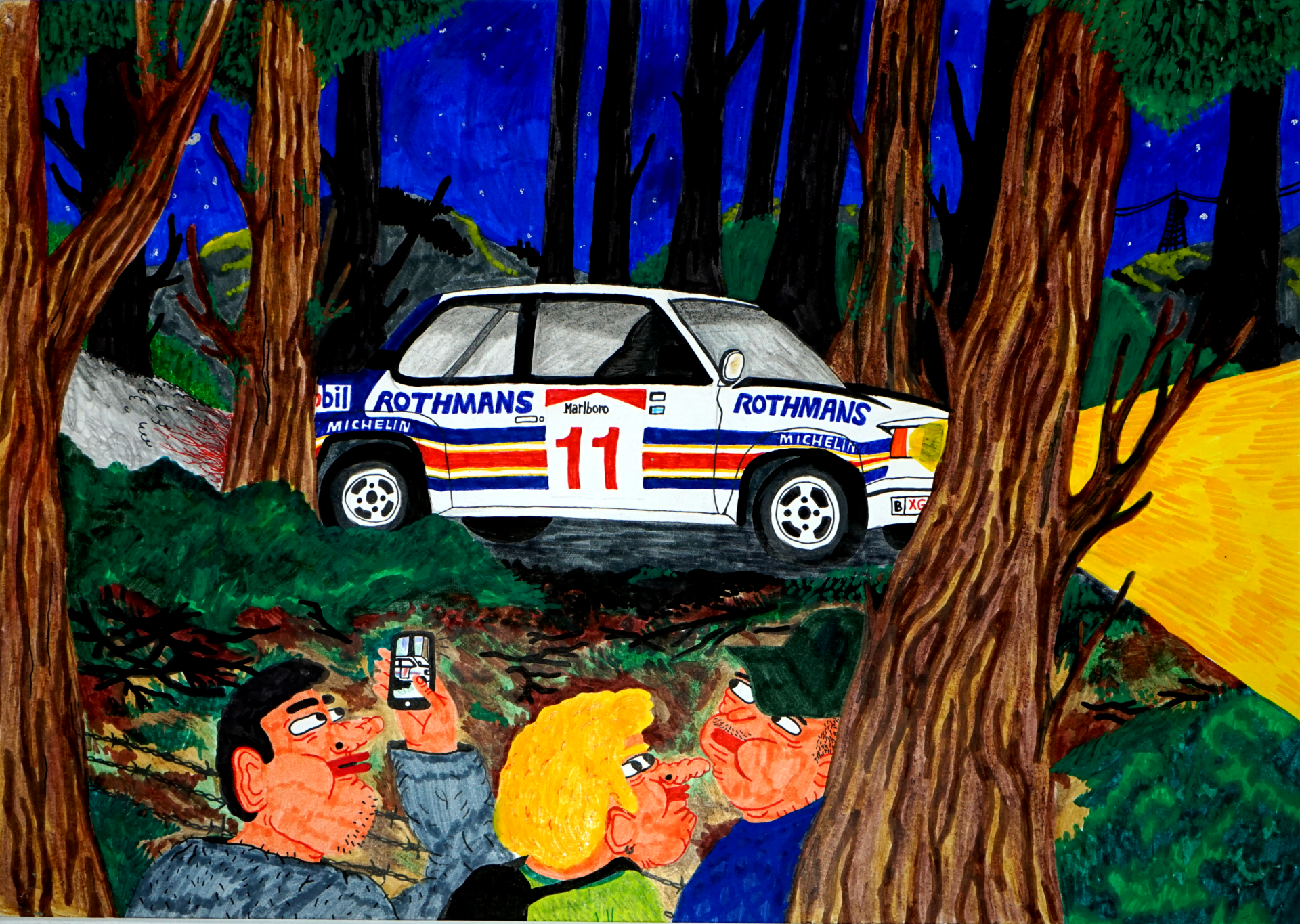
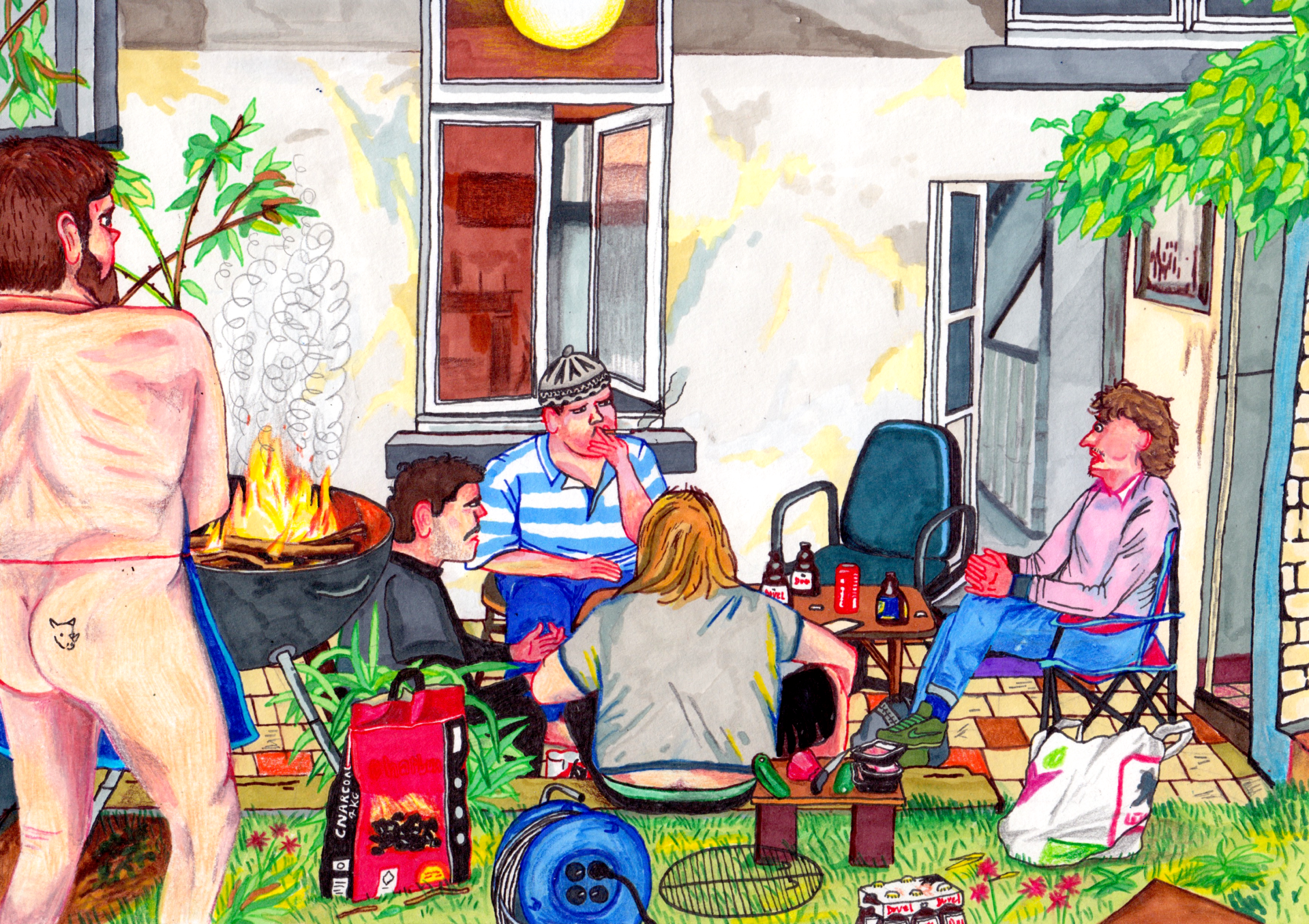
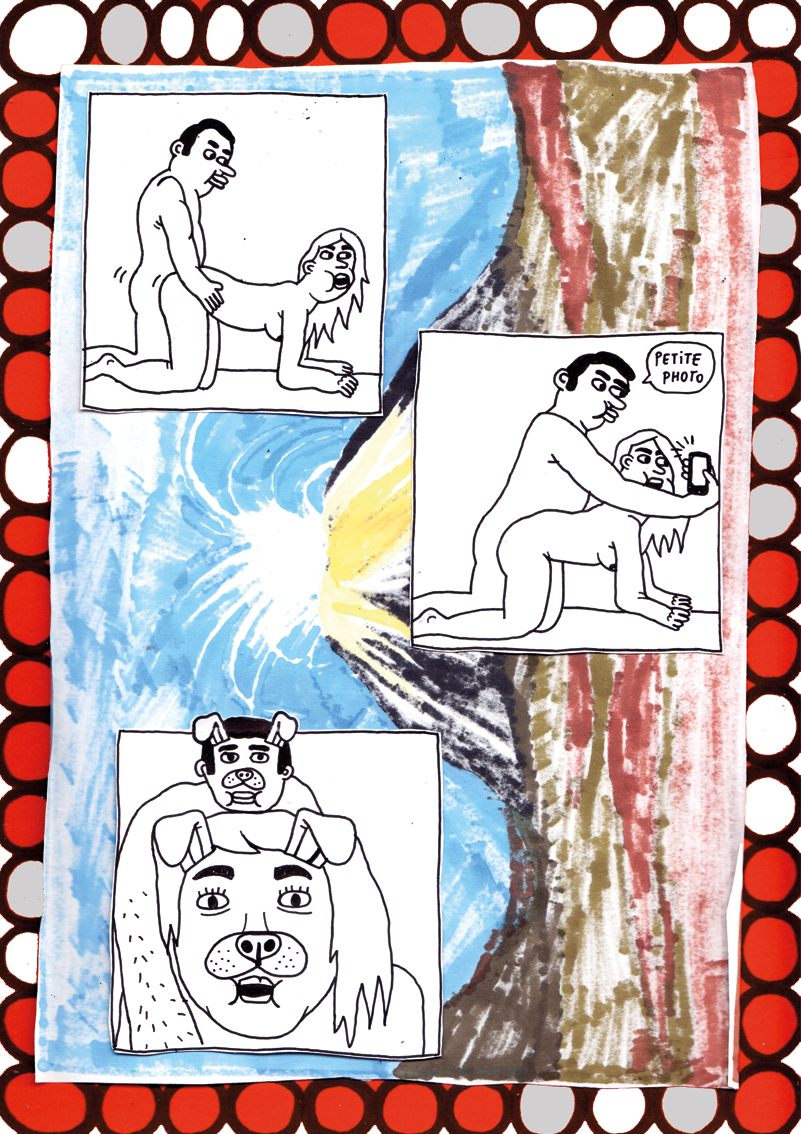
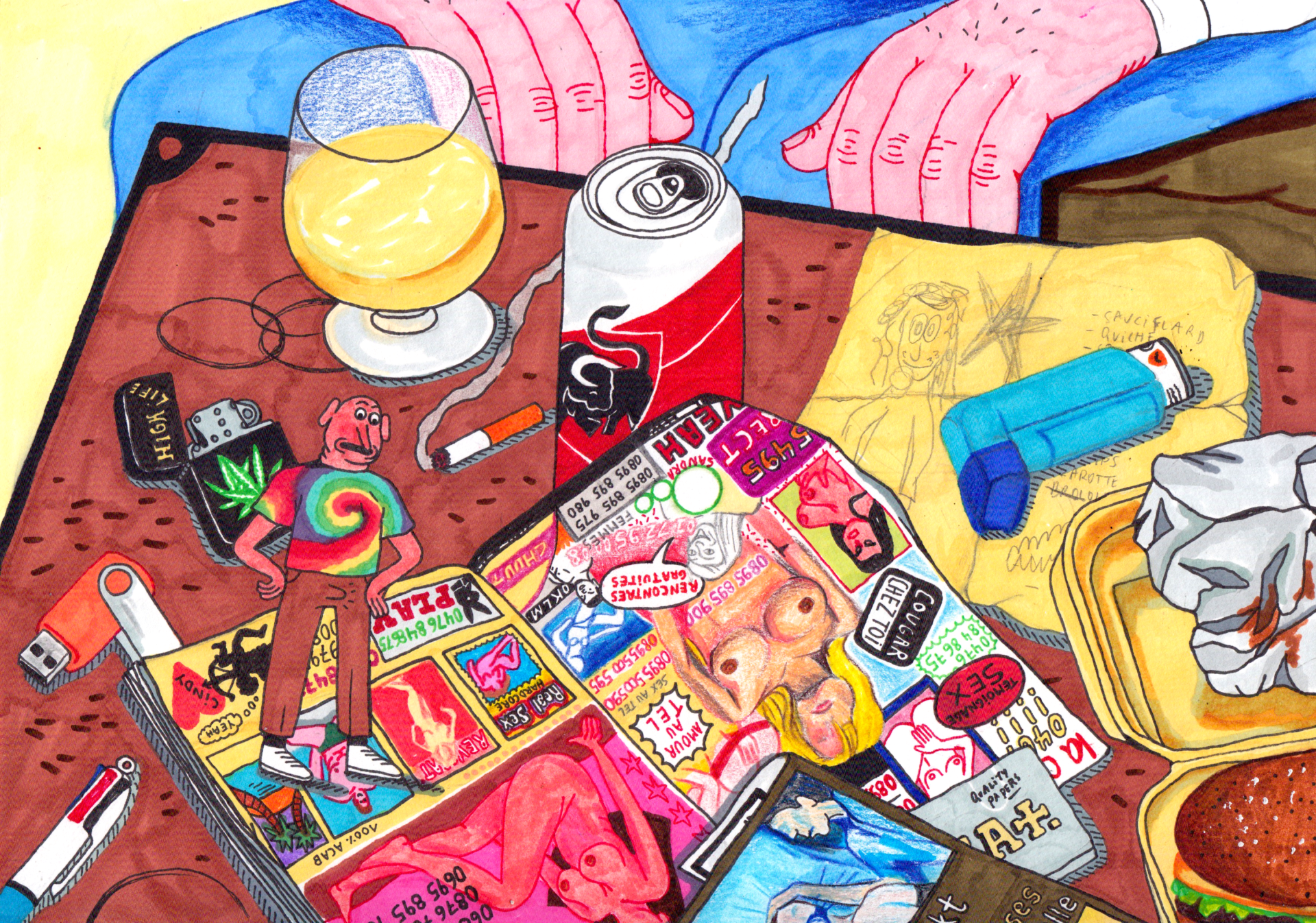
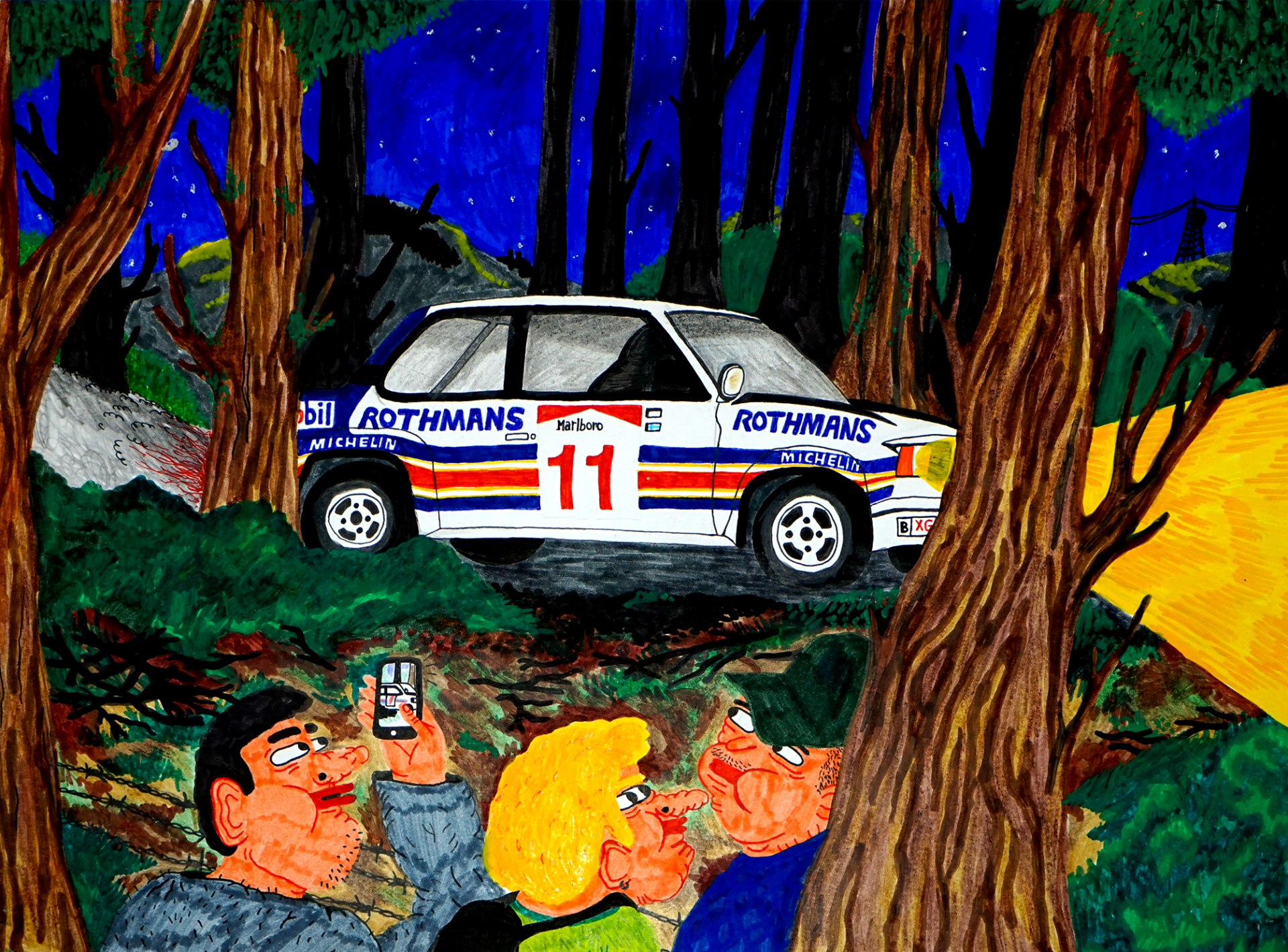
I try to disclose the charm of banalities in my artwork and to illustrate moments of life usually perceived as meaningless. I am a good observer; I like to study people’s behavior in their everyday life. The outcome of this study is the central focus of my work. From a technical point of view, I really value the use of non-digital tools. I love stains and imperfections left by a pencil or a marker. I think it creates a more genuine link with the spectator.

12h de Spa
Risques du métier
Bonne journée

Is the place you were born reflected in your art?

My family comes from Southern Belgium. I spent my childhood on the outskirts of Brussels and I currently live in Brussels. When I draw, I try to gather elements originating from these different backgrounds. I believe that these various influences represent a real added value to my work.

Barbecue de septembre

Is there a sports background to your work?

I started my artistic education by making animated films so movement has a great impact on my current work. But I am more attracted to movement as such rather than sports. If I ever have to work on a sports event, I will rather be observing and drawing what is going on in the bar.

Karaoké Barvis

What would you cite as sources of inspiration?

To avoid being repetitive, I would like to share a (non-exhaustive) list of things that inspire me: kitsch, stuff that is kind of lame, American-looking Belgian nature, events under a party tent, hand-rolled cigarettes yellowing your mustache, failed taxidermy, Anouk Ricard, Jim Shaw, episode 20 of season 2 of The Office, « Travis the Singing Trout », bowling polo-shirts, Jul, swings for chickens…

Limérence
jouissance

BIO / Léo Gillet is 24 years old and graduated from the field of illustration/sculpture after completing a 5-year course at the School of Graphic Research (ERG) in Brussels in 2019. Currently, he works for magazines and runs cultural workshops for young people.

Brols sur la table basse
Did you like it?
Share it with your friends

You may also like

“I crave the complicated because it entertains my brain.” At the 2026 Lunchmeat Festival, nan Cifra (the newest nom de plume of composer and musician Natálie Pleváková) will present her performance Tangled in Narratives, playing material from her debut album.
French and Belgian artist Léa Porré excavates relics of our collective memory, translating her digital worlds into forged steel, jacquard tapestries, and stained glass. In today's interview, discover how the self-described dream archaeologist stepped away from the screen to stage impossible encounters with the past.
Ema Prosová's work doesn't announce itself loudly. Her drawings and paintings on silk operate in a register that's contemplative, layered, almost whispered: figures emerging from lychee fruits, hospital rooms floating in eerie space, architectural fragments mingling with natural forms. The work comes from years spent moving between cultures and techniques, learning lacquer painting in Vietnam, silk painting in Indonesia, living in Tokyo, and now finishing her degree at the Academy of Fine Arts in Prague.
Polish choreographer Iza Szostak’s circus is a philosophical system, a choreography of risk, precarity, and collective survival mirroring the contemporary condition. Discover today how her new performance Trapeze, premiering at Studio Hrdinů in Prague, turns the trapeze bar into a narrator, and the clown into an energy valve for a world on the brink of collapse.