What brought you to fashion, and what keeps you going?
An urge to world-build. For me, I have always been hyper visual and creative. Not only bound to one medium, I sought an unquenchable urge to communicate the rich inner world I have with the real world. I would write, paint, sketch and dance as a medium of artistic communication. But I always go back to garment creation. Fashion, for me, is the most direct medium to communicate with the outer world. Whether you believe so or not, all methods of dress are a form of communication, even the unconscious outfits we wear on our ‘lazy days’. So, all this to say, I started getting heavily into fashion the more I started to get to know myself. When it came to the creation of my collections… that is a deeper answer and a longer story. I will make it brief. I started creating collections on my bedroom floor during the deepest depression of my life. I was experiencing turmoil and grief, and I was unable to cope. So, I turned to creation as a means of art therapy. What keeps me going is the same thing that made me first start: curiosity and a born urge to create.
You’ve shared your profound admiration for Sergei Parajanov on your Instagram. What about his visual language resonates with you, and how does it manifest in your garments?
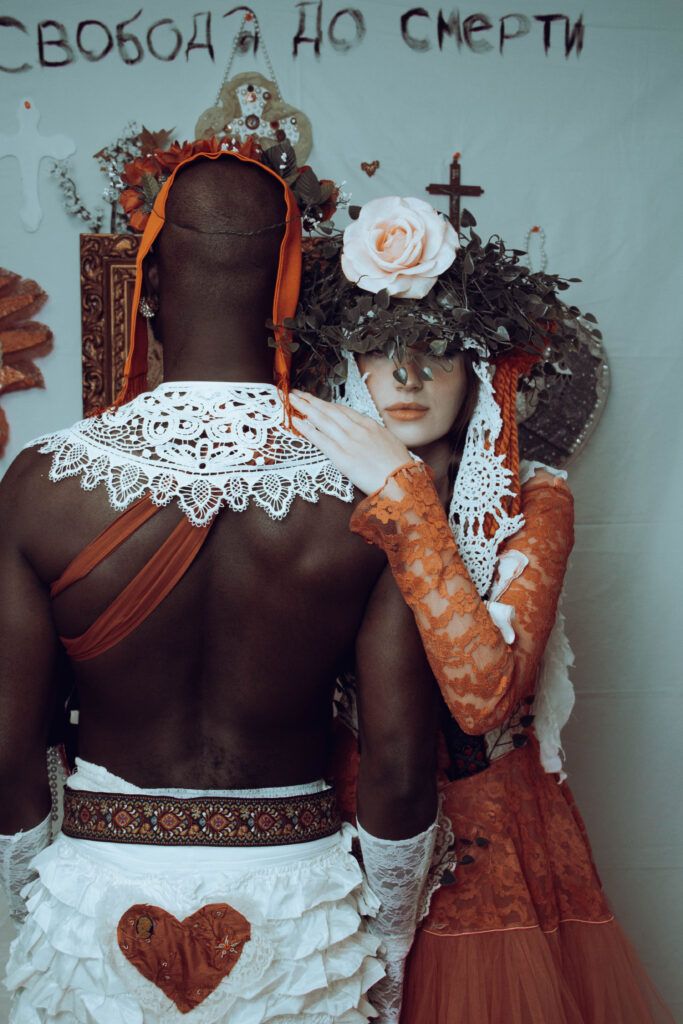
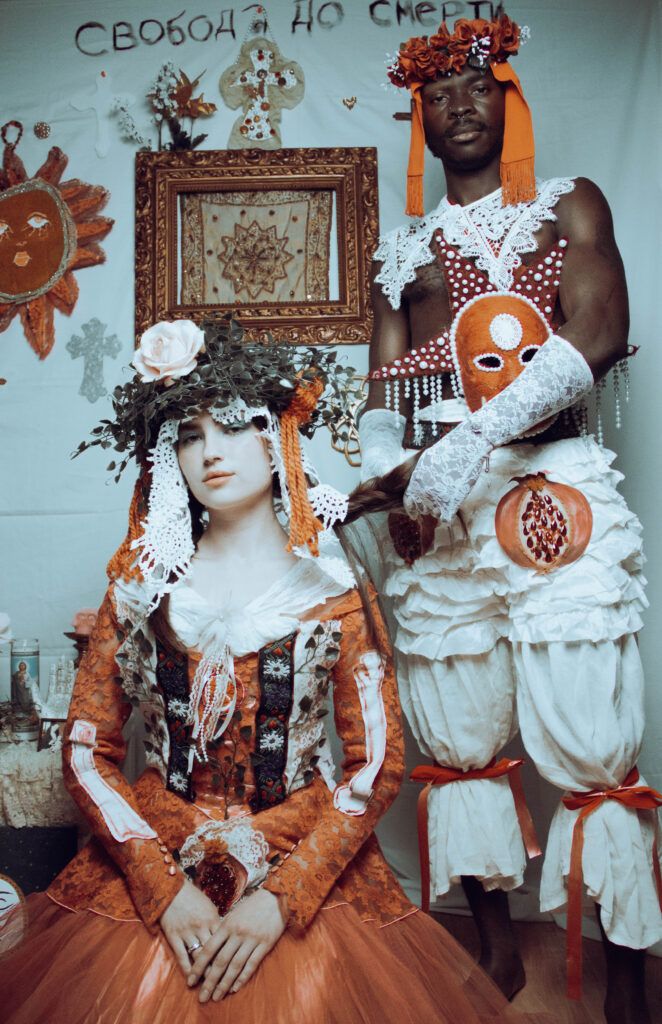
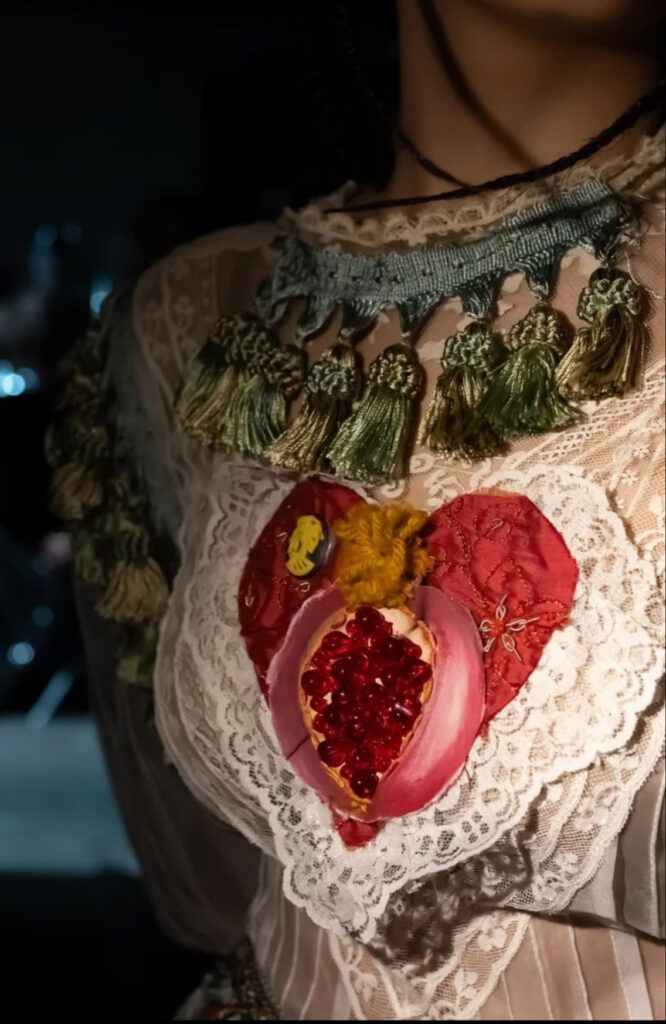
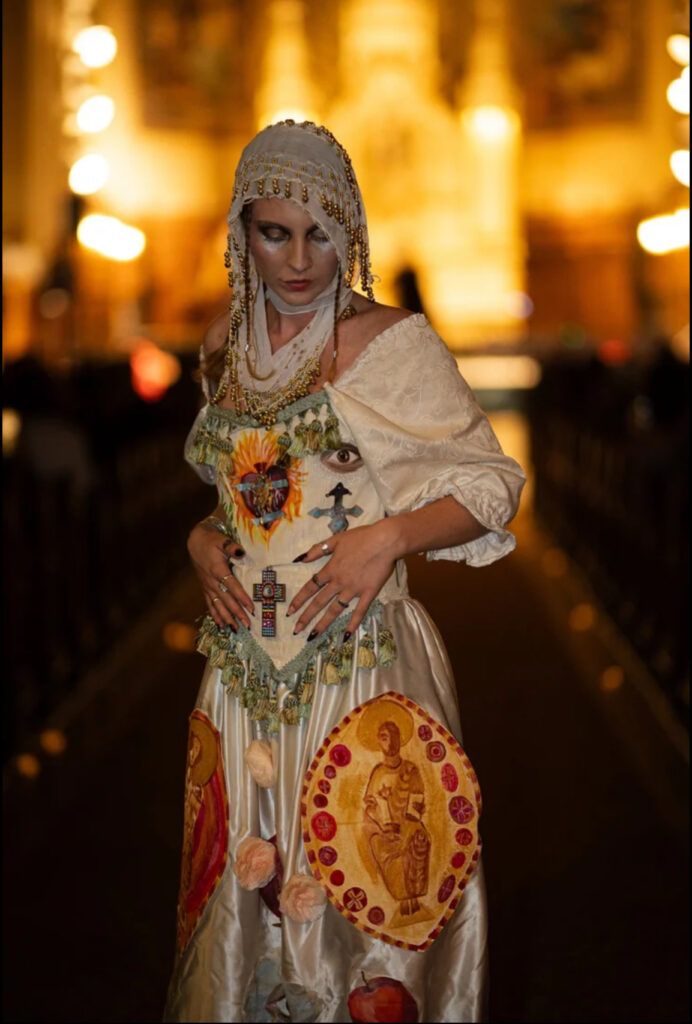
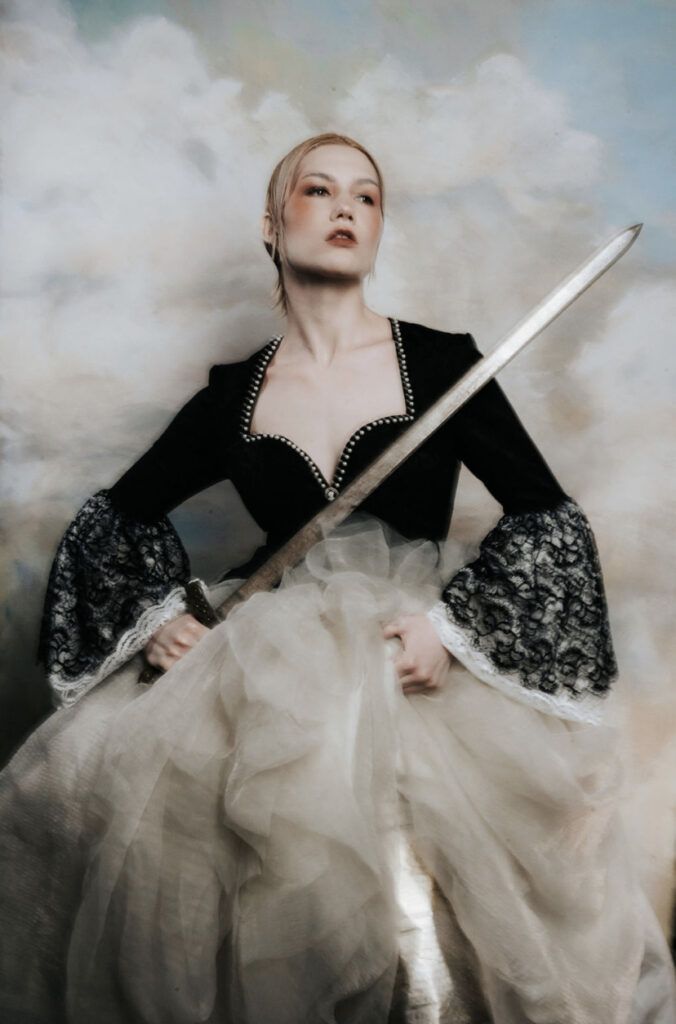
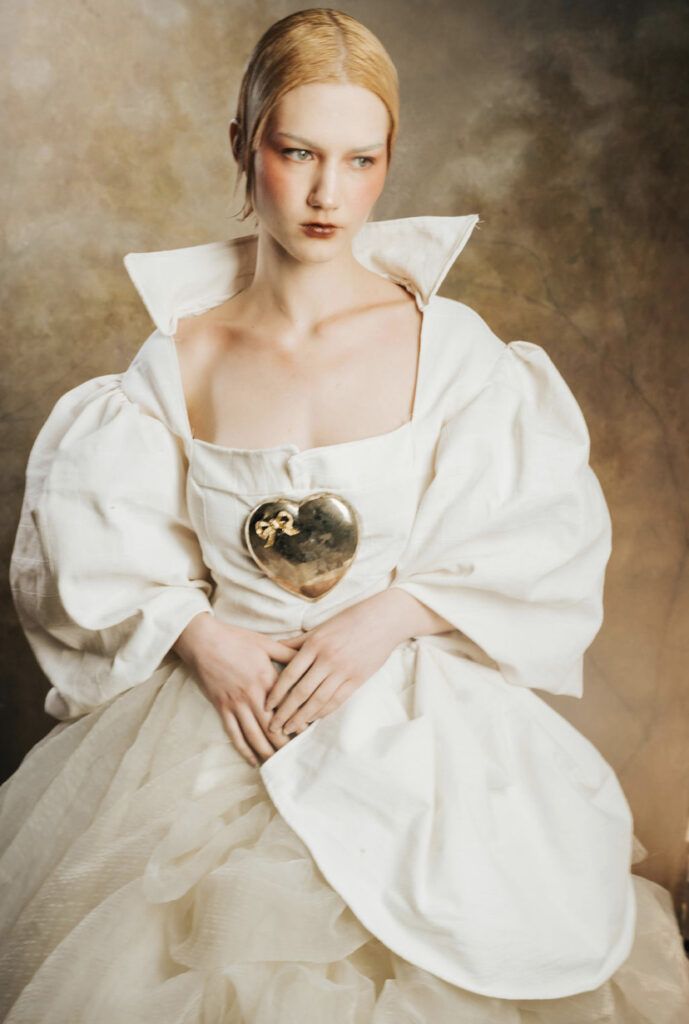
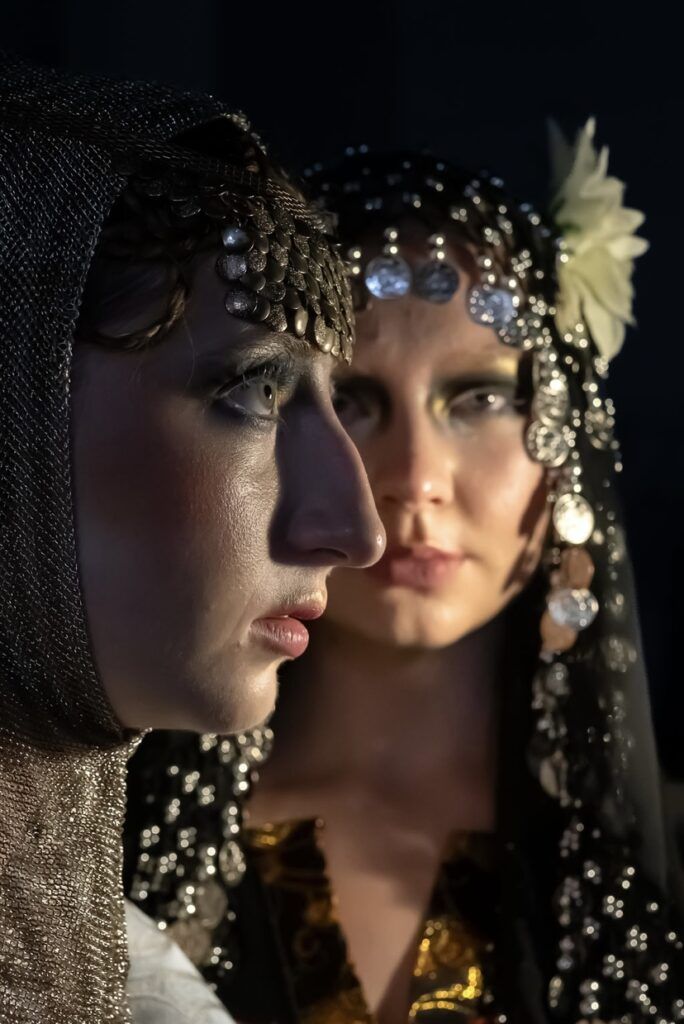
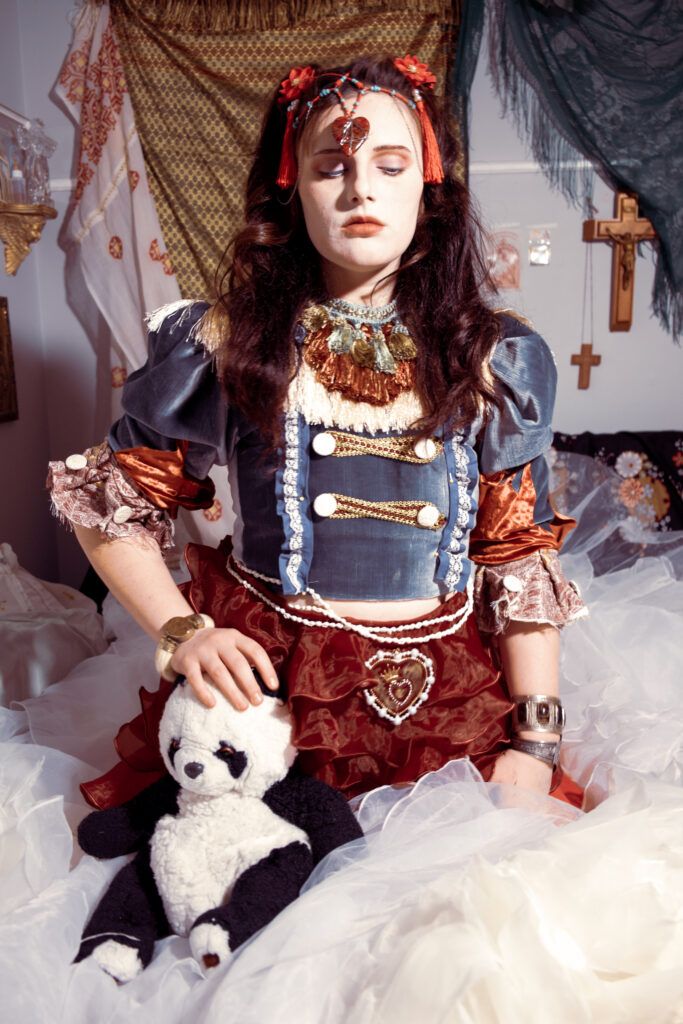
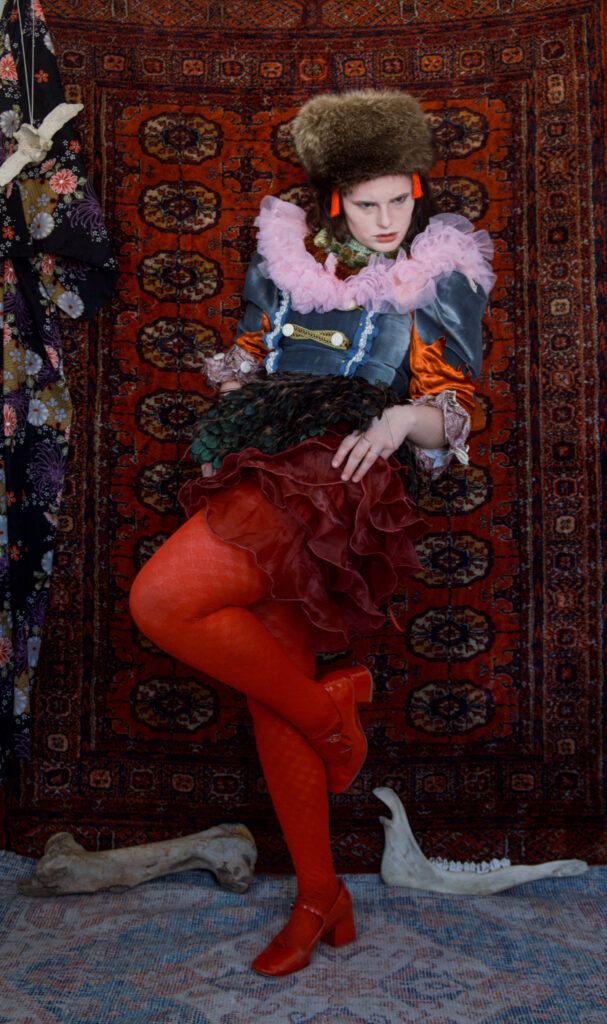
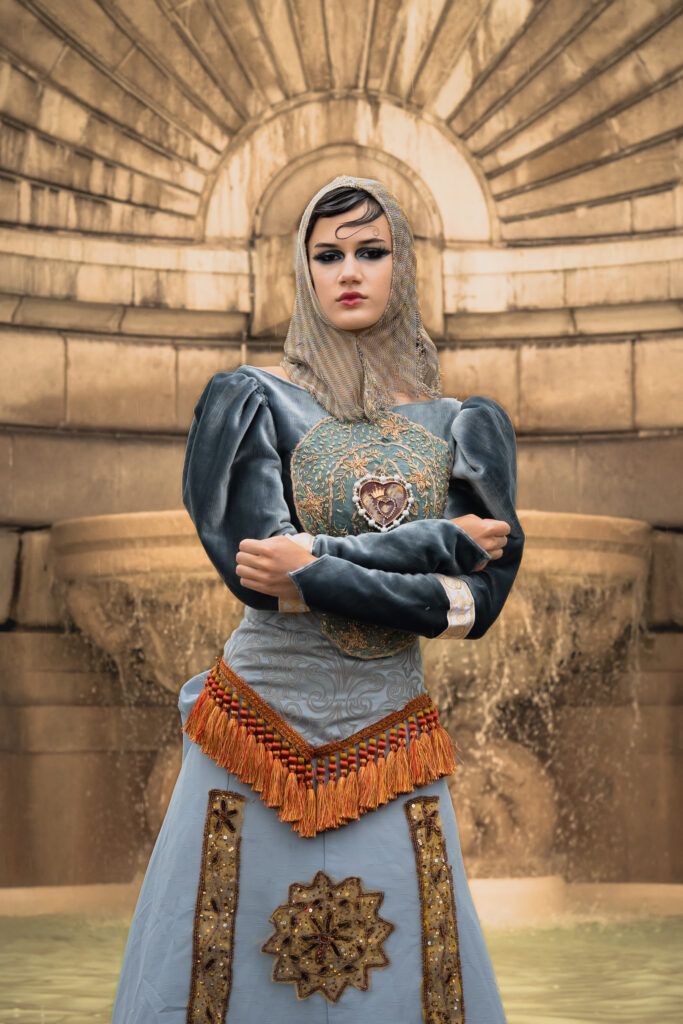
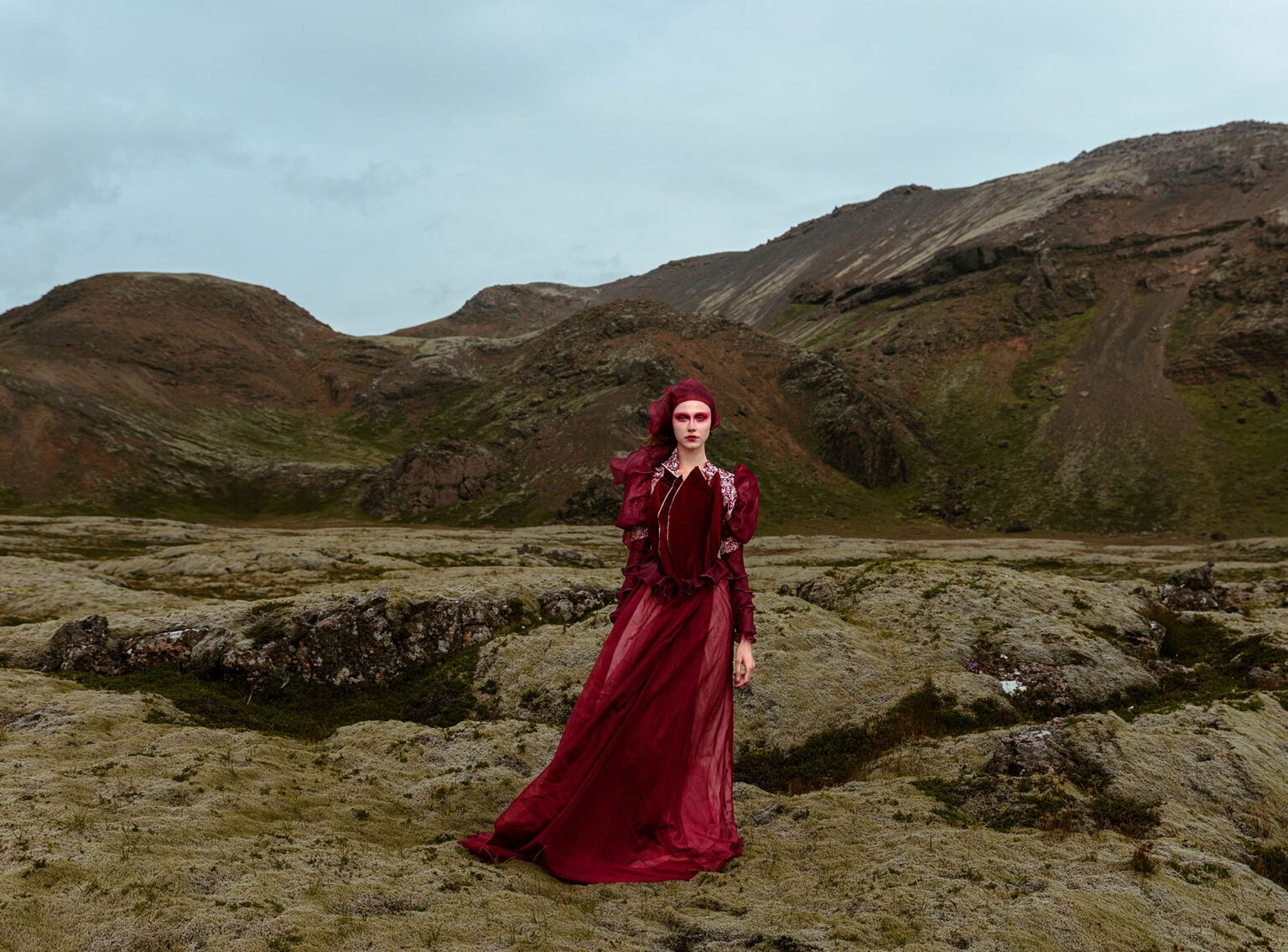
My first impression of Parajanov’s work was nostalgia. I have an Eastern European family, I grew up around many Eastern Europeans, and I went to a Russian school briefly as a child. So despite the fact that Parajanov is not Russian, nor does he come from my family’s roots, his work feels deeply familiar. My aunt is the reason for his discovery. She had this large book in her home filled with snapshots of directors and their projects from the new wave moment. Alongside another great inspiration of mine (Federico Fellini), there was Parajanov and his strange self-portrait. There is also something very odd about the way he portrays stories. They feel like dreams. The odd placements of the props, the way the actors themselves feel like props and the seemingly random sequences. It is all so odd at first. But there is something very curious about it as well. Not every piece of mine is inspired by Parajanov; what is inspired by him is the way in which I photograph my garments. There is a heavy emphasis on the background and its role in the storytelling of the garment. So, all this to say, I suppose what resonates is the harmony of all aspects of the story.
What do you think clothing reveals about the soul of the wearer?
There is a Shakspear quote I vaguely remember and will simply paraphrase. It is along the lines of knowing the truth about someone based on how their clothes fit. I could simply say that how someone dresses communicates their inner self to the world, but that isn’t fully true. There is a lot of debate around authenticity and who is performative in their fashion or not. And I don’t think you need to really be too profoundly intellectual to assume that not everyone’s personal style reflects who they really are.
I also think: who cares. Why do we demand authenticity from everyone? We cannot be entitled to everyone’s inner thoughts and personhood. I think you can tell the soul in the eyes. The outfit is all costume. Clothing has always been a form of traditional storytelling, class division, status symbol, and protection. It has been both good and bad. So it is hard to tell the soul with clothing. I think about myself in this context. I wear a very minimalist palette and I don’t get very experimental. My outfits have stayed the same since 2016. They are simple and timeless. So I can blend in with a few different crowds, and at first glance, one might assume I hold the values of the crowd I blend with, but that would diminish who I am.
You work with recycled materials, yet your work feels timeless, like relics from a forgotten future. What is the spiritual process of giving these materials a second life?
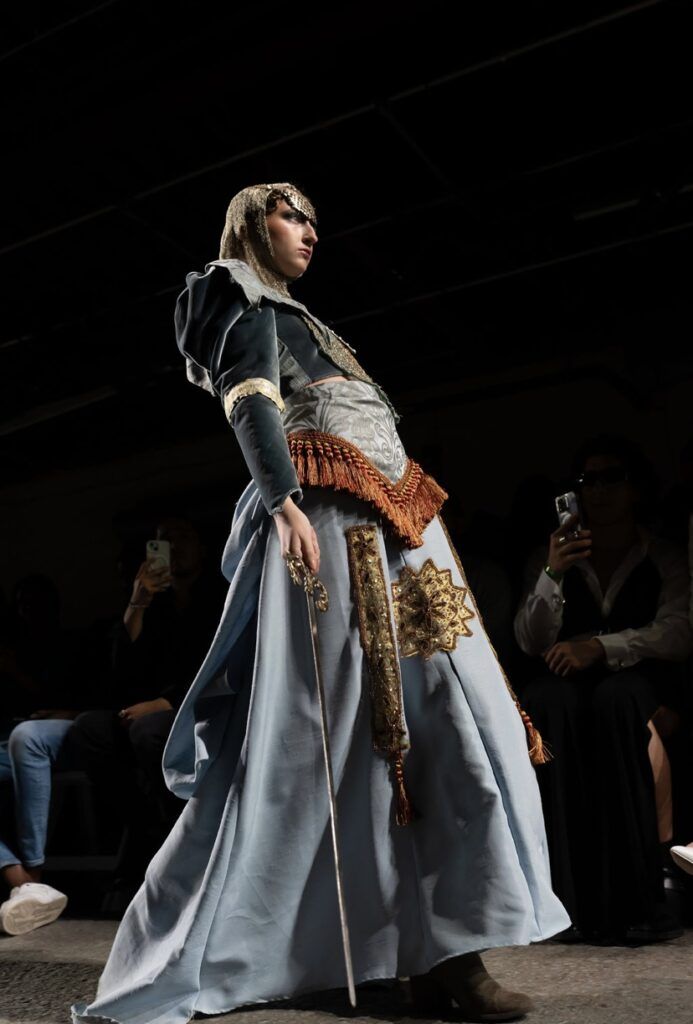
All of my materials are recycled, yes, they come from donations and my own scavenging. But my muse is my own spirit. When I am creating a dress, it feels like a procreation. As if there is something growing within me and then emerging. For the planning processes, I sometimes sketch, but rarely does the garment resemble the drawing. Often, I have to surrender, and I let myself be guided by my spirit. I really am esoteric in the sense that I believe I have many spirit guides that have walked with me since birth. I feel they fight for attention and musedom. My personal sense of style is rooted in my memories and what I grew up with. I will reference indie sleaze of the early 2010s a lot because this was the style I grew up with. But as you can tell, that is not the aura of my garments. So I do think it is my spirit guides who breathe life into my work, I am the vessel and only the vessel. The garments I am working on now, I feel, I am more in control of. They have that essence of placeable fashion (the indie sleaze) but still with that timeless whimsy that is so intrinsically Storrveldi.
In a world changing so fast, what role do you hope fashion will play in the years to come?
I think that is a very profound question to try to answer. I hope fashion becomes a tool of unity. I am really into this movement called ‘the uniform project’. In which you wear essentially a uniform, a simple outfit which is edited by accessories or alterations. For me, as a designer, I release my creative urges on the runway, so, opposite to that, I enjoy dressing very minimally. I also don’t want to be absorbed into the idea that I need the largest closet with designer brands and glamour. Mind you, I do adore these material things, I wouldn’t be in the fashion industry if I didn’t have an appreciation for luxury and at times even a longing. But I try to separate the want from the need. I don’t need luxury, but I want it. My little experiment with the uniform project has been a great exercise of my desires. It has helped me ground myself. I do hope more people will experiment with this. Not only is it sustainable, but it is also a vehicle for self-exploration.
Stjorn Revali is the esoteric designer behind Storrveldi. A brand which creates one-of-a-kind garments, inspired by folklore and the avant-garde scene. Storrveldi is fuelled by the eclectic and creative life of the artist behind it all. Beyond her design work, Stjórn is a seasoned creative director and production leader. She has produced and directed original runway-dance showcases for numerous international stages. Her productions blend visual design with choreographed performance, requiring extensive coordination of dancers, videographers, set teams, and technical crews.
Stjorn Revali / @storrveldi
Interview / Kateřina Hynková @khynko
–
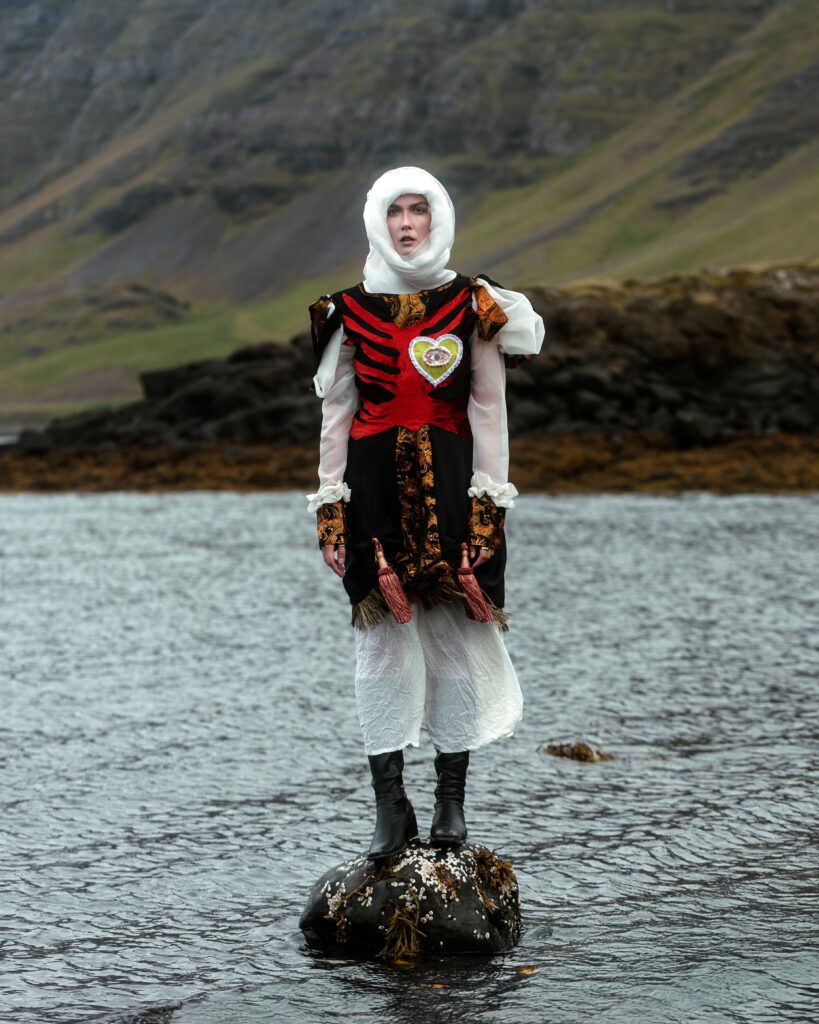
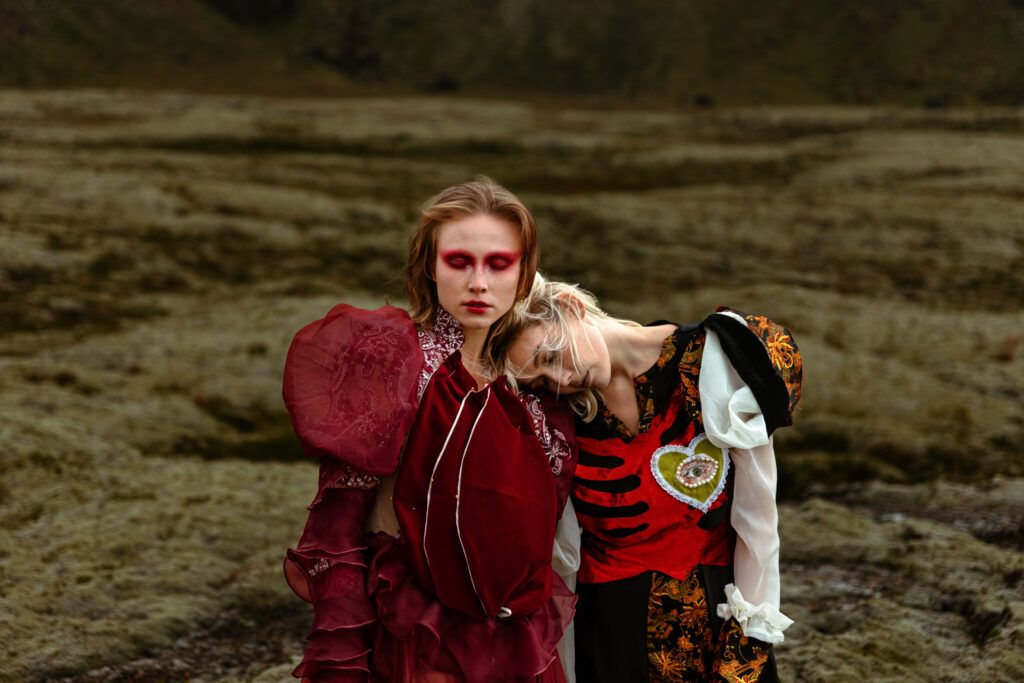
Photo editorial published on @photovogue @rebel.mag
Designer @storrveldi
Photographer @yael.bc
Models @irisasmundar @olgamaggy
–
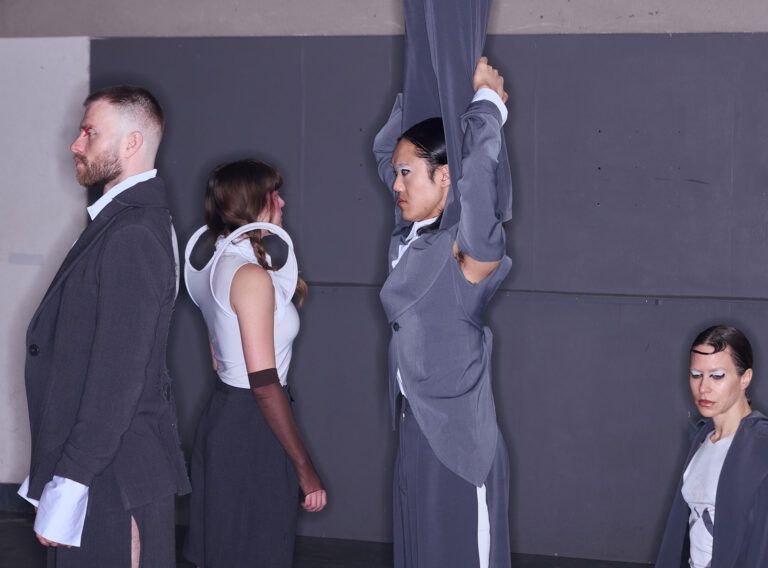
“Love letter to Sergei”
Clothing designer by me
Styled by @mckennaireland
Models @sofia.sapiens and @klausisagemini
–
Shot by @anasolado
–
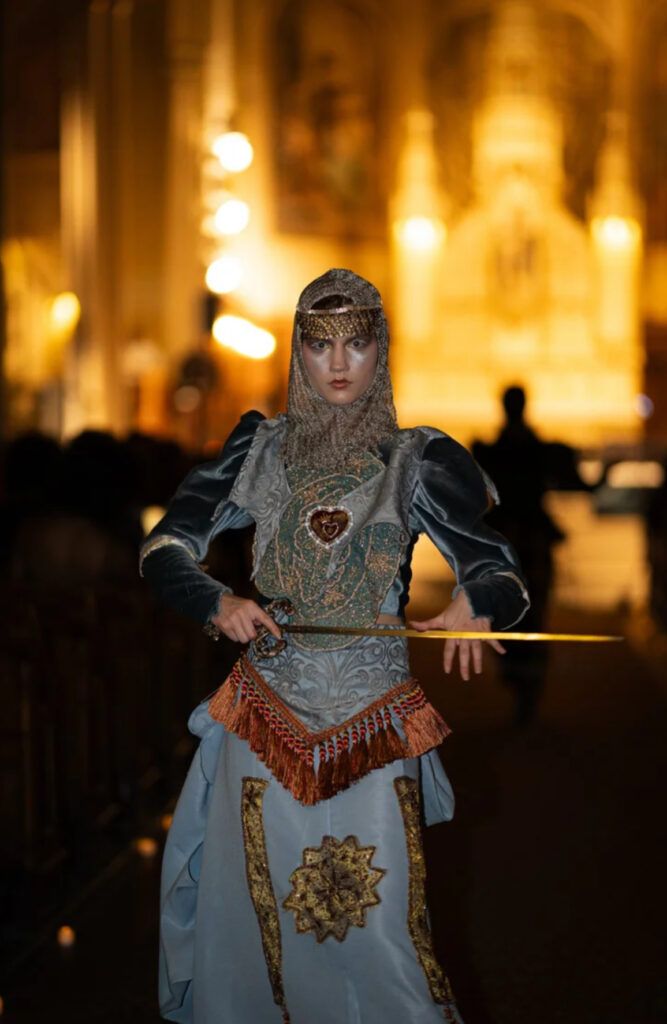
model/@idsoco7
photographer @jessbyrnephoto
–
makeup by @waringmakeup
model @sonya_rae_
photographer @koko_king_photo
–
photographer @photography_byrne