HEAD ORBIT

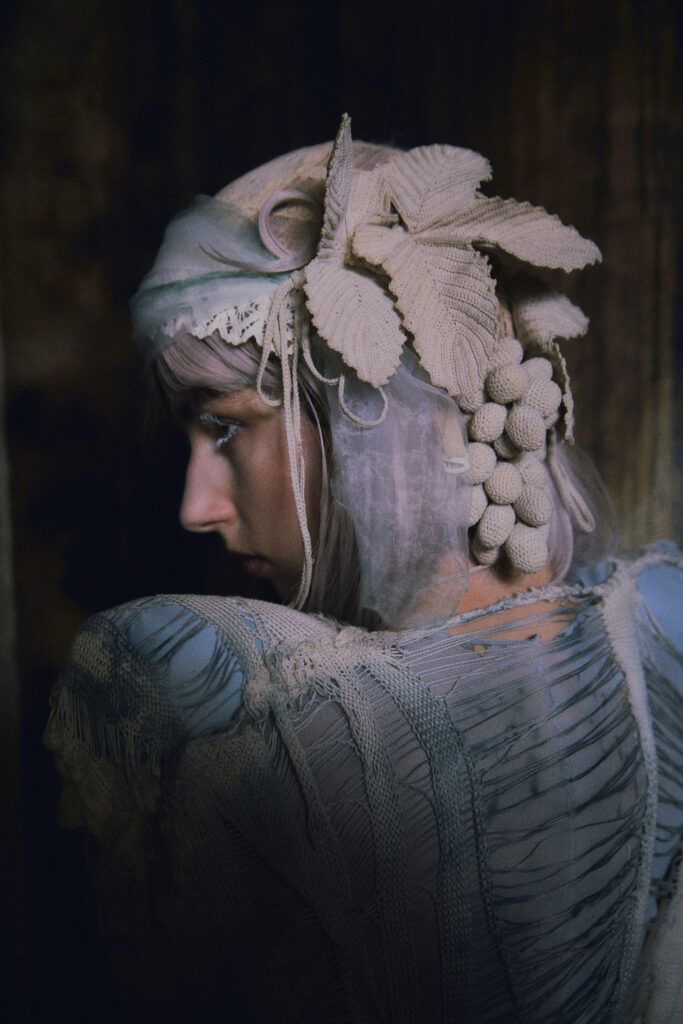
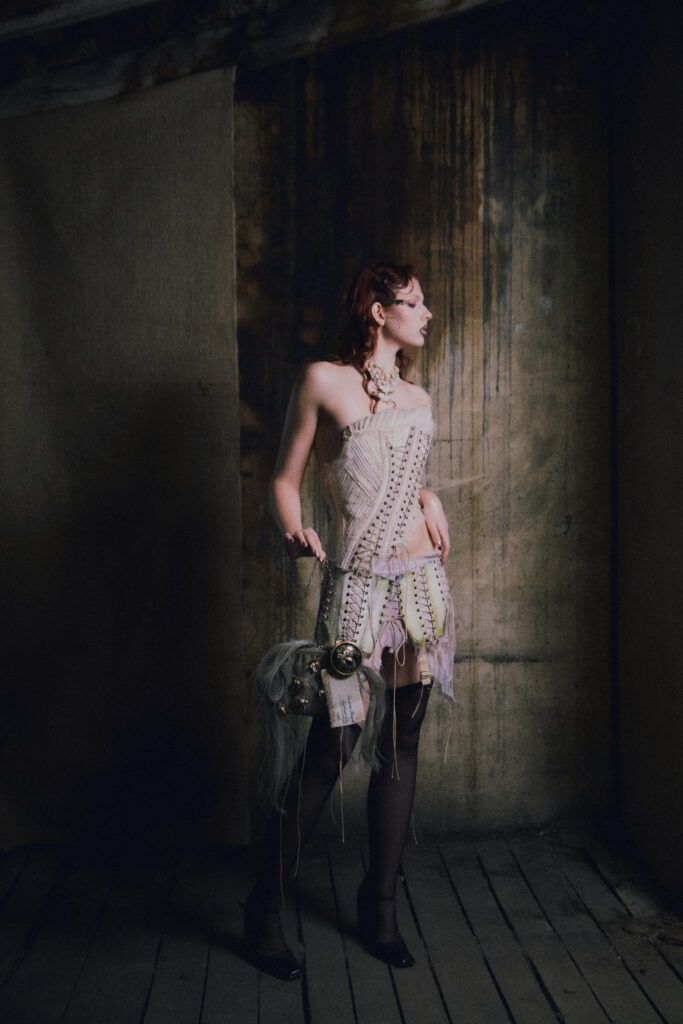
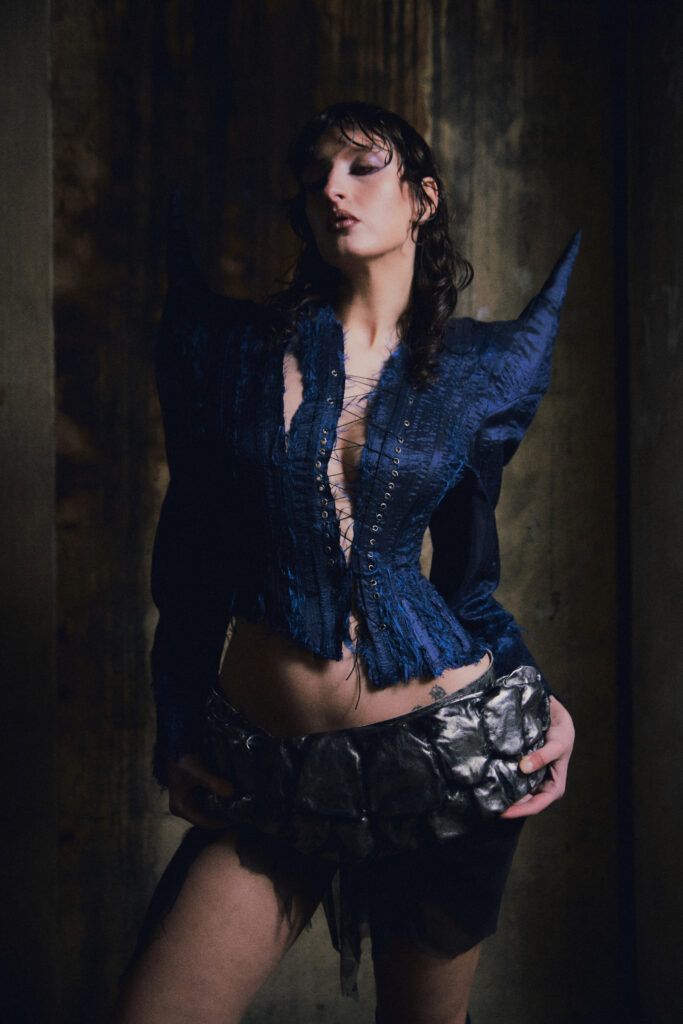
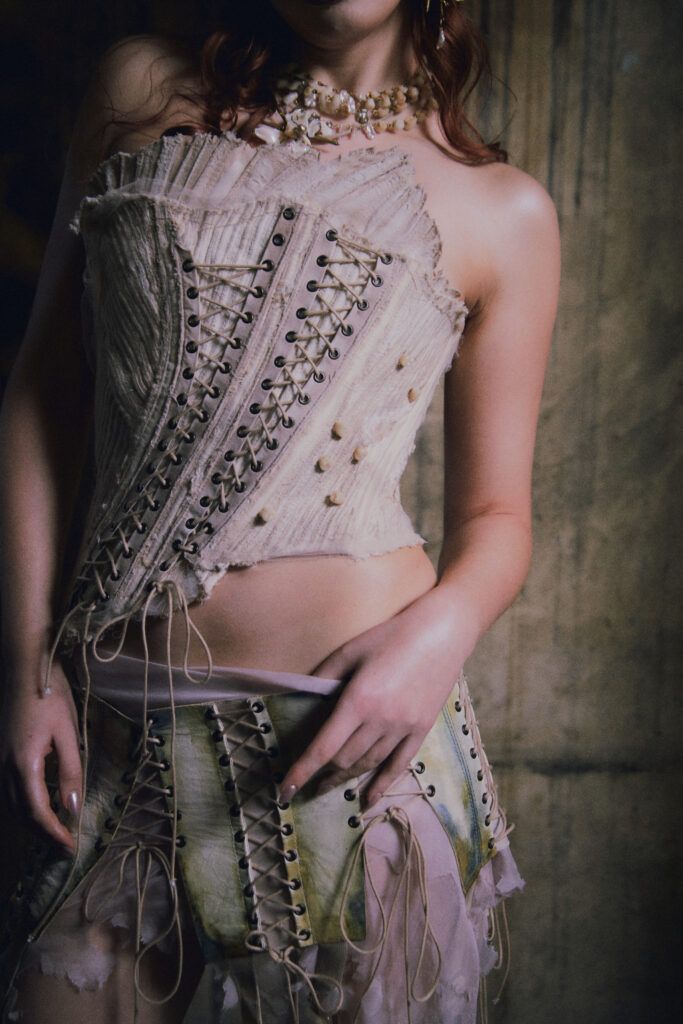
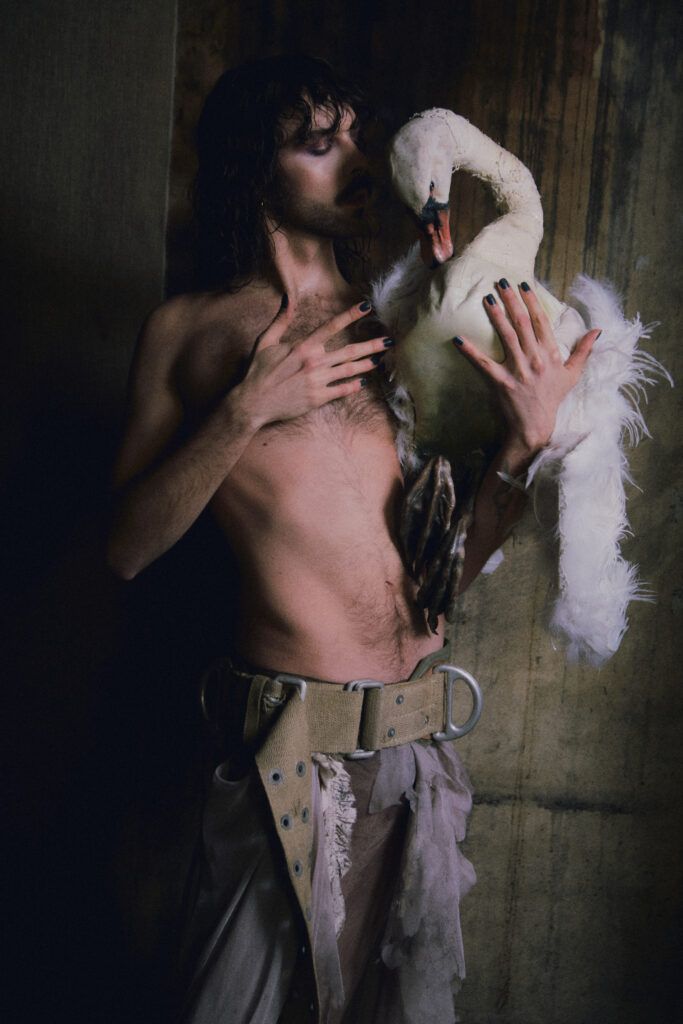
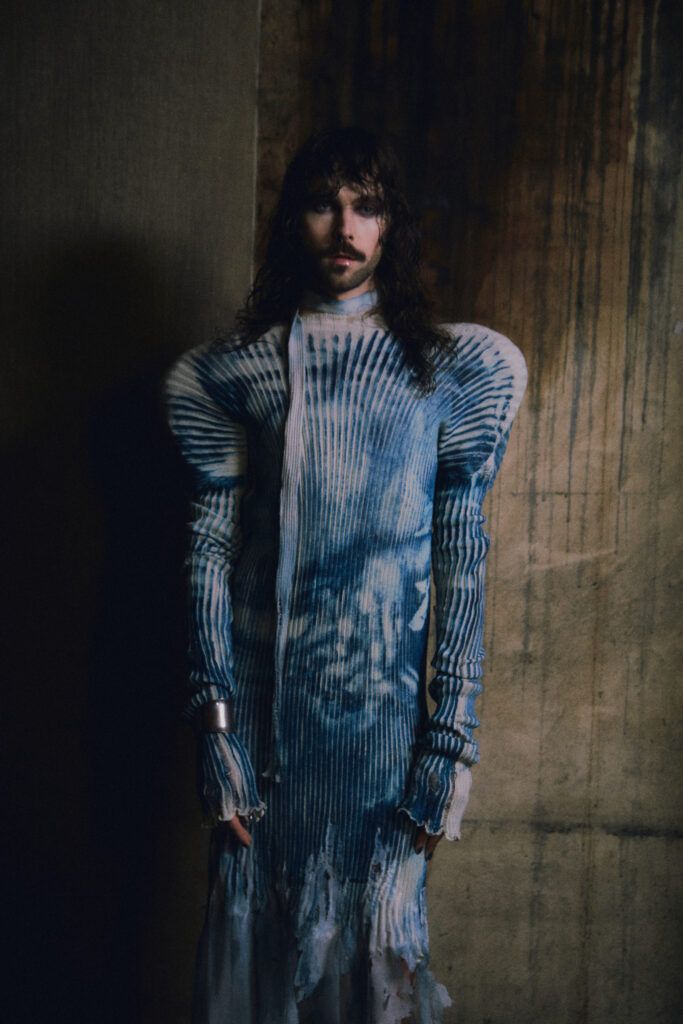
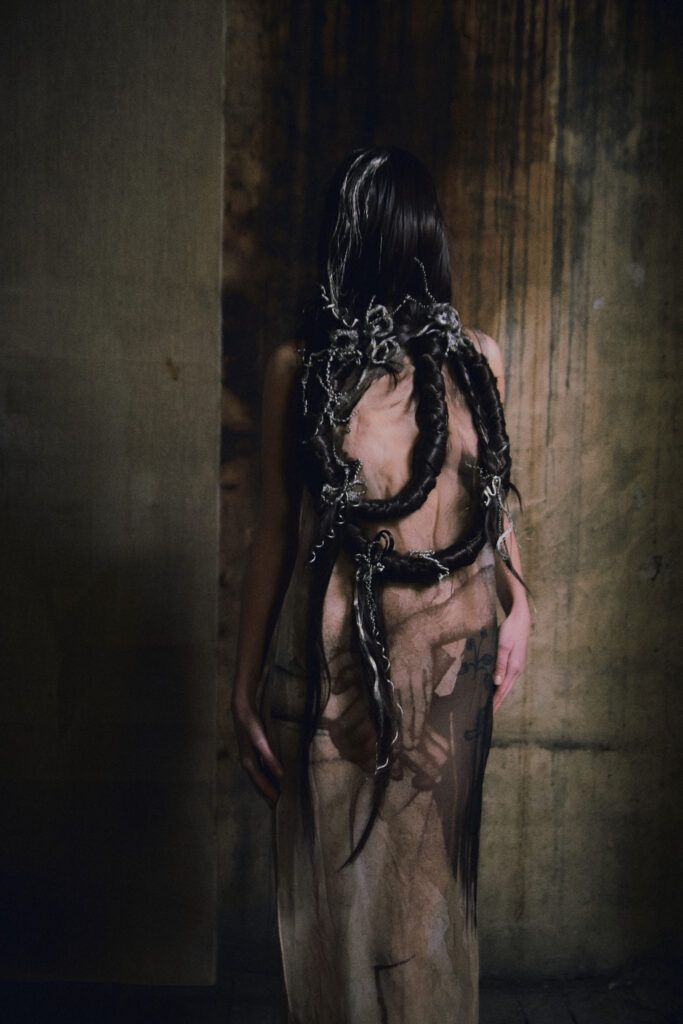
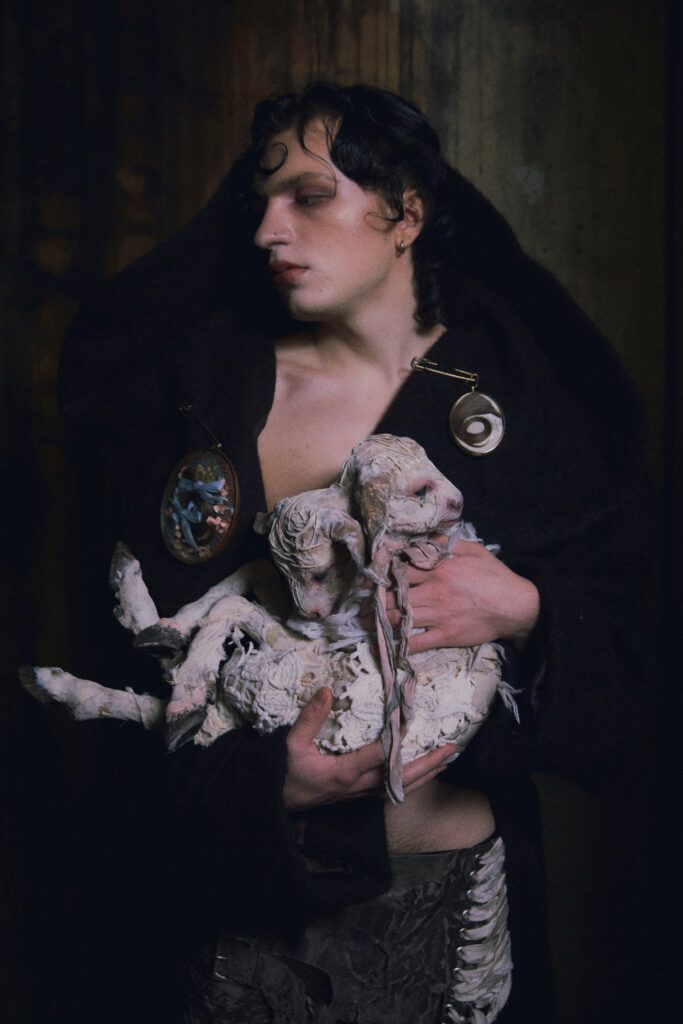
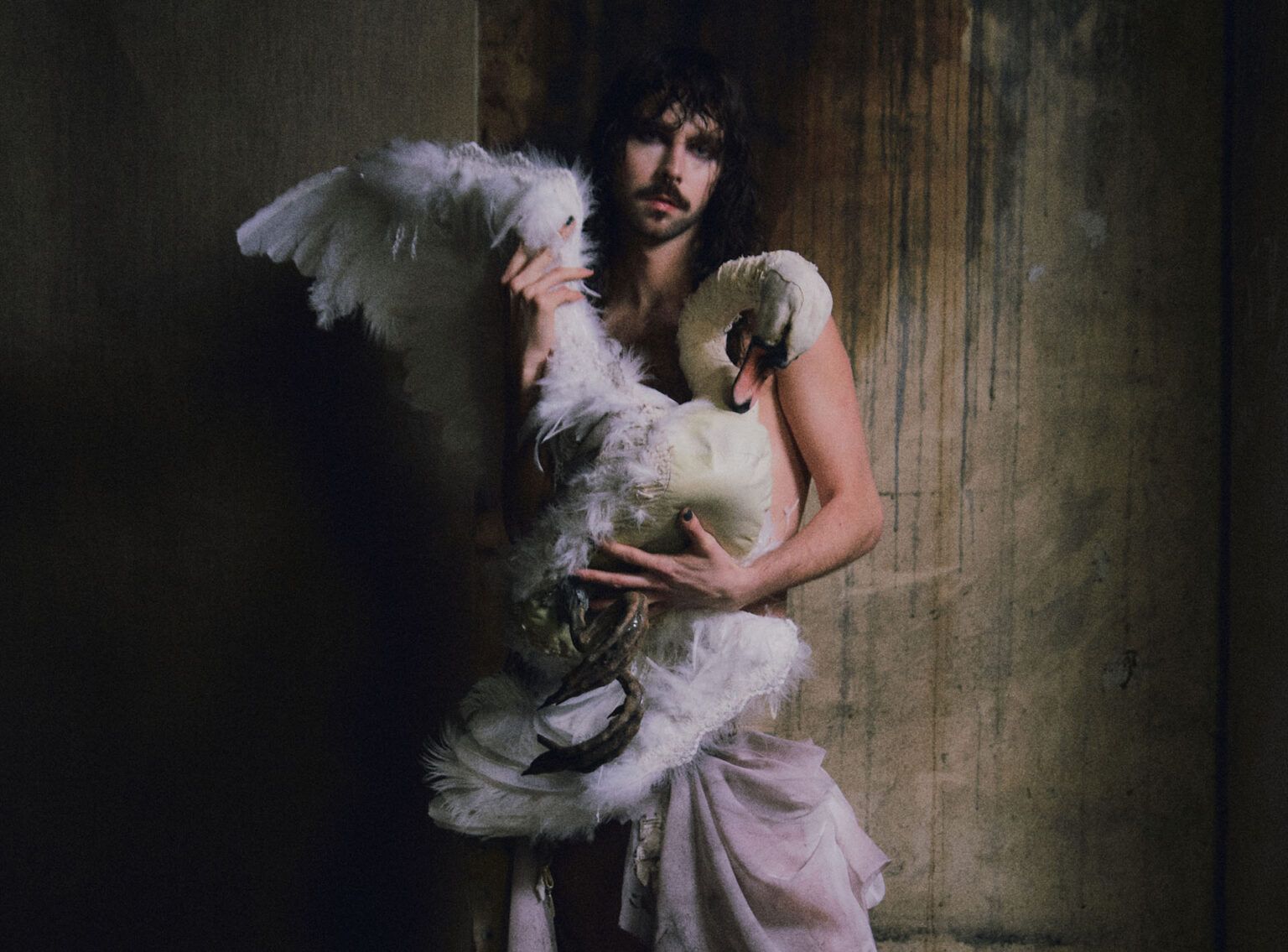
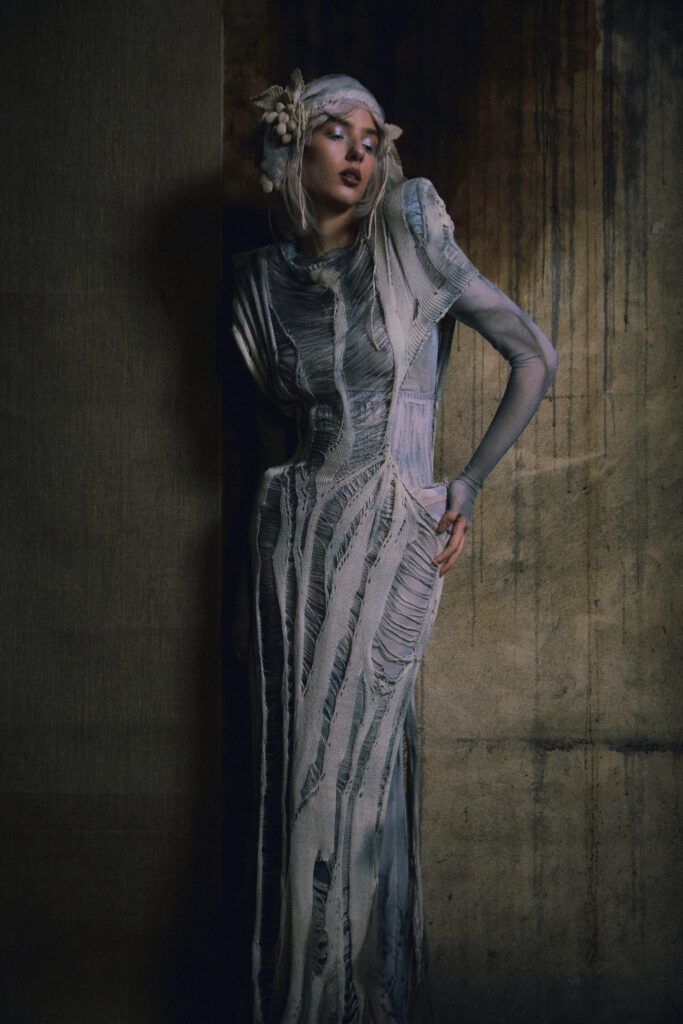
“Imperfection feels authentic, touching, and full of history.” Polish fashion designer Karolina Pieniążek toys with the semantics, definition, and perception of “ugliness”. Her garments are sometimes adorned with false teeth or locks of hair, and a replica of a two-headed lamb serves as an accessory. Far from anyhow gory and macabre, though, her looks carry an enchanted and ethereal air, rooted in memories and oneiromancy. Enjoy the interview with the designer below.

Your collection UNIVERSUM 22 is deeply rooted in memory and personal history. Can you share what specific memories influenced its creation?

The collection should be “read between the lines.” My work contains both hidden and explicit symbols. Each of us perceives the surrounding reality differently – it’s our experiences and memories that form the foundation of the subconscious.

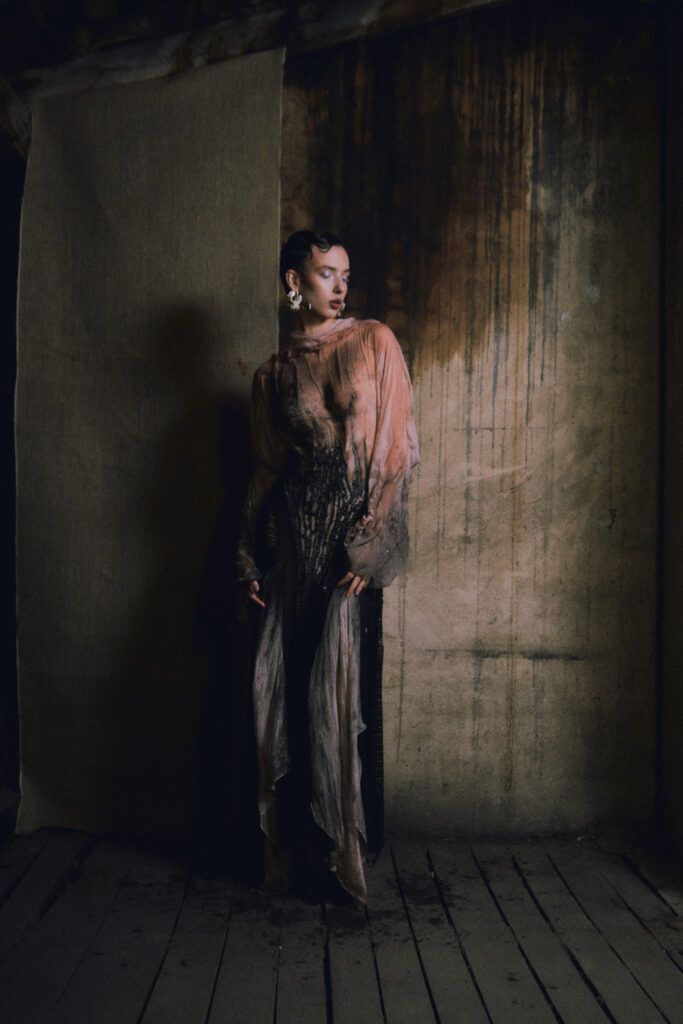
The main inspiration was a tenement house in Łódź, physically no longer existing, but still very much alive in my world. It became a symbolic representation of my universe. Since childhood, I was fascinated by its imperfections shaped by the passage of time. Separated from the outside world by a patinated metal gate that was always locked, it felt like my own private castle.

The attic of the building held real treasures; family artifacts that everyone else had long forgotten. I, however, unearthed them with fascination. Everything was dirty, patinated, damaged – yet full of soul and invisible value. I believe that’s when my love for antiques was born: forgotten objects, but ones with history and spirit. It was my playground.

The key memory, however, was witnessing the house at the moment of moving out – its abandonment and complete decay. The building revealed its structure, its insides, and its ugliness. It sparked in me a deep interest in the fragility of physical objects. The space took on a turpistic character – like a scene from The Hourglass Sanatorium, directed by Wojciech Has.

That last memory remains the most significant.

You describe the collection as ‘an orbit circling your head’ and a celebration of ugliness. How do you define beauty and ugliness in your work?

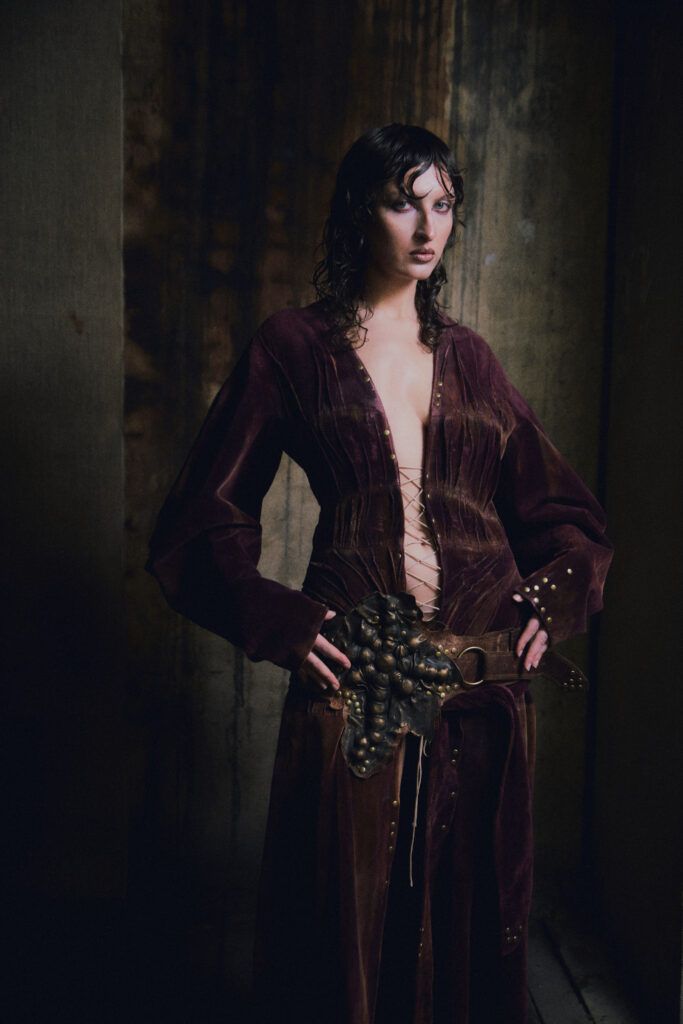
For me, the definition of beauty is highly subjective. Whatever evokes emotion, moves me, or sparks intrigue – that is what I consider beautiful. Imperfection feels authentic, touching, and full of history – just like my collection.

My designs are a tangible example, an essence or a fragment extracted from my personal universe. You could also call it a memory.

The pieces incorporate elements like silk lace, false teeth, and locks of hair. What draws you to these unconventional materials?

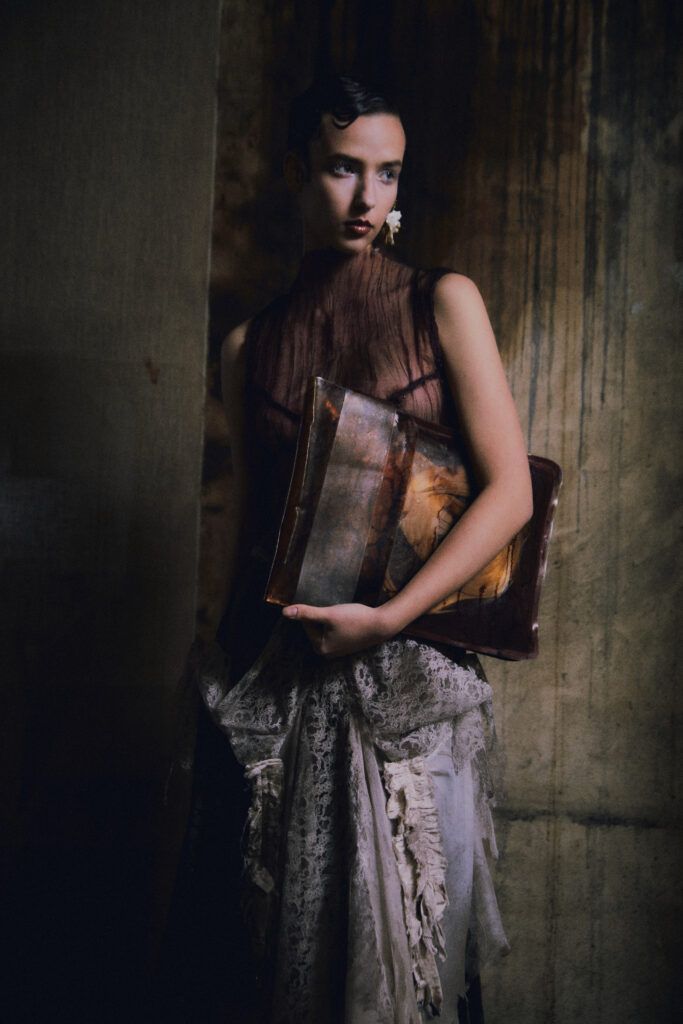
The personal nature of these selected elements was key. I hold a deep sentimental attachment to these applications. The lace, hand-crocheted by my great-great-grandmother, lay in an attic for about 100 years, waiting for me to respectfully give it new meaning.

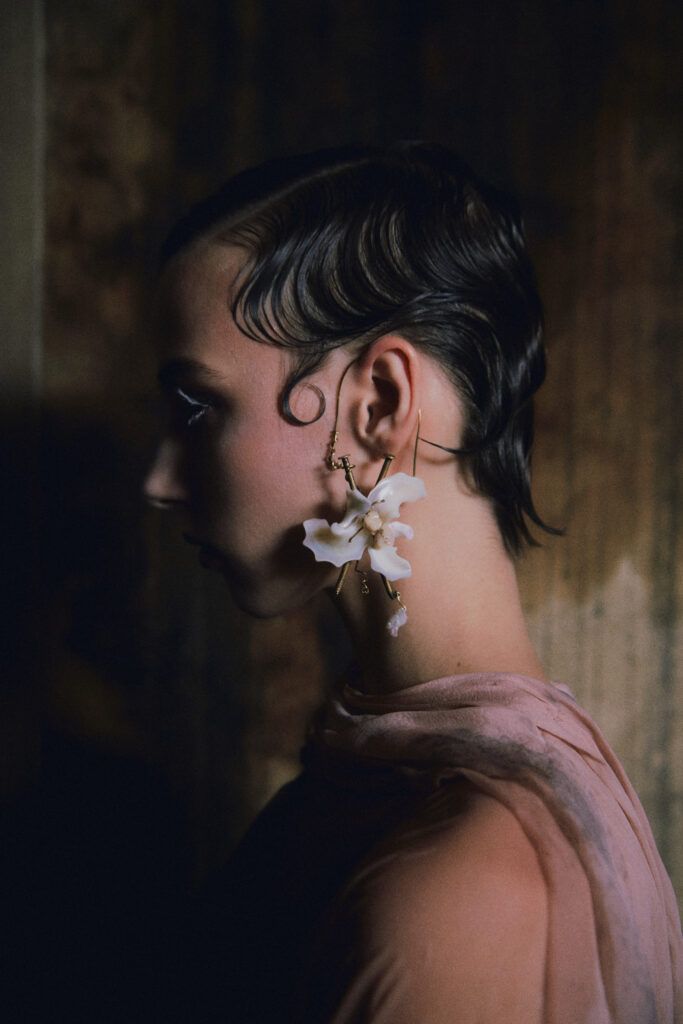
These materials carry a sense of turpism, balancing on the edge of intimacy and unease — the symbolic teeth and locks of hair remind me of the need to hold on to a part of something or someone deeply important to me.

Something is haunting yet poetic about the swan and the two-headed sheep in your collection. Are they meant to reflect opposing forces of beauty and mutation or do they share some deeper meaning?

In the context of the collection’s overall message, that’s a very accurate observation – transformation and deformation. Both pieces represent a duality of worlds, a symbolic split between dream and reality.

However, the sculptural bags also reveal a spectrum of grey areas, an ambiguous symbolism. My creative language is multilayered. I pay close attention to the signals my subconscious sends me.

The visions behind these works were among those signals. I bring them to life.

What emotions do you hope your audience experiences when engaging with your work?

What matters most to me is evoking a deep, intense reaction – because it’s those emotions that stay with the viewer the longest. I believe that’s what art should offer: a powerful experience that doesn’t allow you to walk away indifferent.

I want my work to create space for pause and deeper reflection.

Did you like it?
Share it with your friends

Bio

Karolina Pieniążek navigates the borderlands between dream and reality in her artistic practice. She presents her visions through the lens of oneirism, translating them into the language of clothing, spatial forms, photography, and painting. Her works are rich in personal symbolism, carefully guided by her subconscious. She defines herself as a sentimentalist, searching for new meaning through references to the past. She emphasizes that her art should be “read between the lines.” Karolina is a graduate of the Academy of Fine Arts in Łódź, Poland. She is a laureate of the national fashion competition Złota Nitka 2024.

Credits

Designer / Karolina Pieniążek @k.komedowa

Interview / Kateřina Hynková @khynko

PHOTO CREDITS

Photo / Jakub Jezierski 

Models / Rafał Klacza, Marta Andrzejczak, Jakub Poliński, Julia Konopka, Olimpia Patrzałek, Michał Klepacz. 

Mua / Olimpia Patrzałek

Hair / Rafał Klacza, Karolina Pieniążek.
You may also like

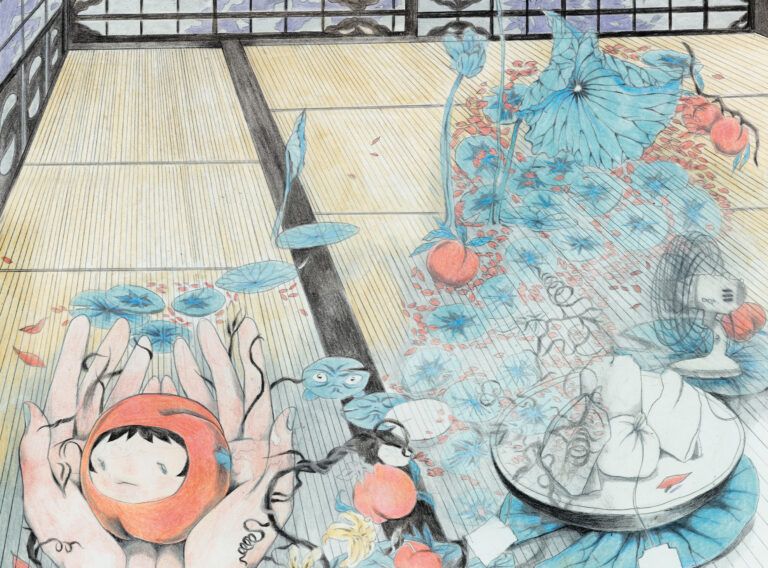
Ema Prosová's work doesn't announce itself loudly. Her drawings and paintings on silk operate in a register that's contemplative, layered, almost whispered: figures emerging from lychee fruits, hospital rooms floating in eerie space, architectural fragments mingling with natural forms. The work comes from years spent moving between cultures and techniques, learning lacquer painting in Vietnam, silk painting in Indonesia, living in Tokyo, and now finishing her degree at the Academy of Fine Arts in Prague.
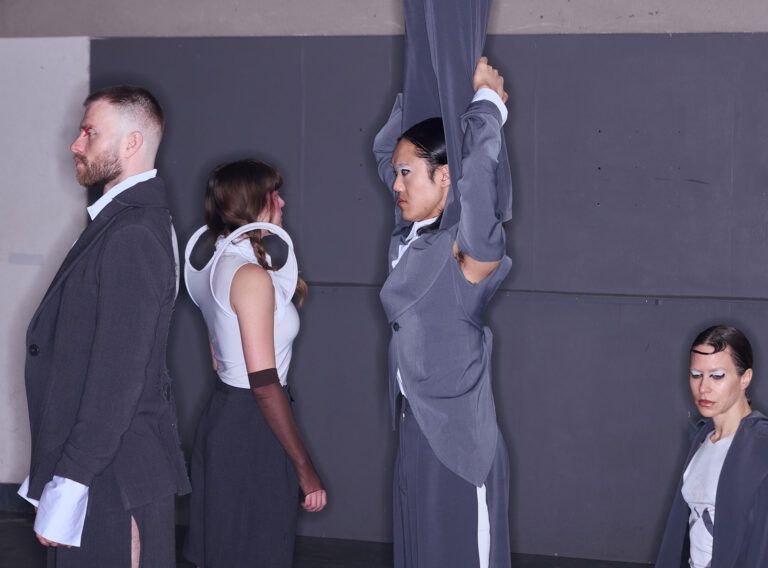
Polish choreographer Iza Szostak’s circus is a philosophical system, a choreography of risk, precarity, and collective survival mirroring the contemporary condition. Discover today how her new performance Trapeze, premiering at Studio Hrdinů in Prague, turns the trapeze bar into a narrator, and the clown into an energy valve for a world on the brink of collapse.
“It is a story about a long night, about everything that disappears during the day and only comes out after dusk.” Polish fashion designer Pat Guzik breathes new life into her garments by collaborating with visual artists, such as Aleksandra Waliszewska and Zbiok Czajkowski, whose dreamy and tongue-in-cheek works adorn the skirts, sweatshirts, jackets, and other ready-to-wear pieces by the designer.
French painter and illustrator Sébastien Pastor navigates between naïve figuration and abstract expressionism, building visual worlds where bold color palettes pulse with rhythm and absurdity. Discover how his colorblindness became a creative signature and how he leaves room for the enigmatic in his works.