FRAGILITÀ NUOVA

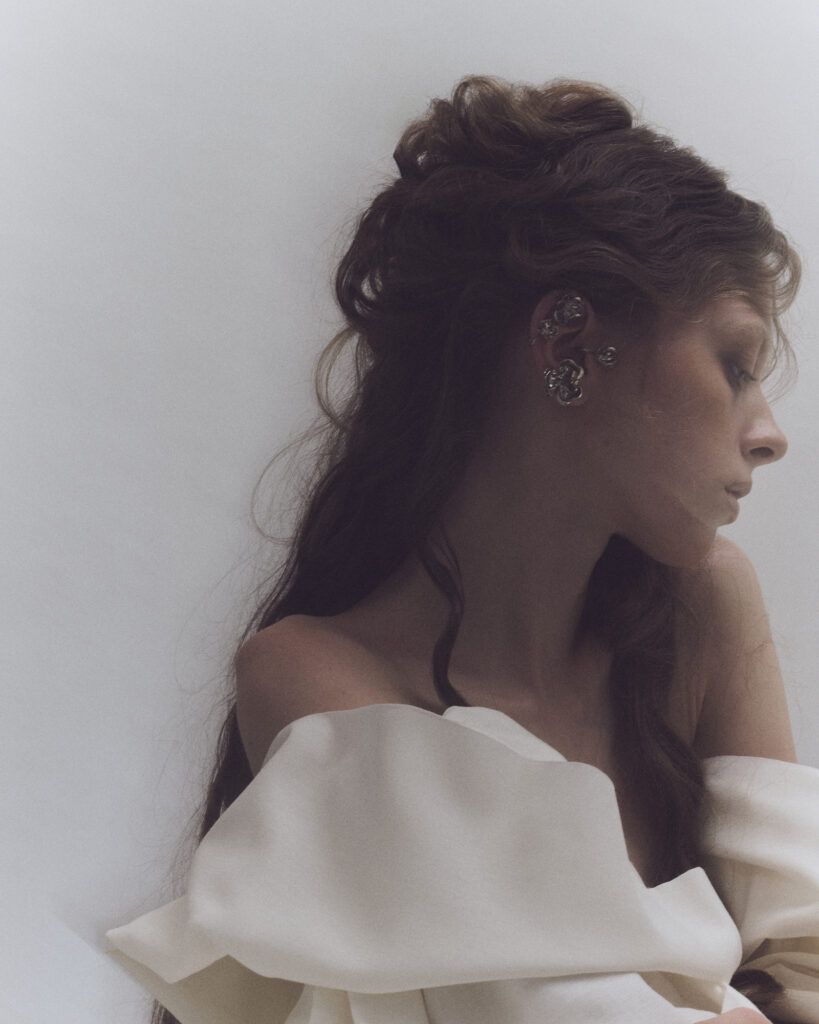
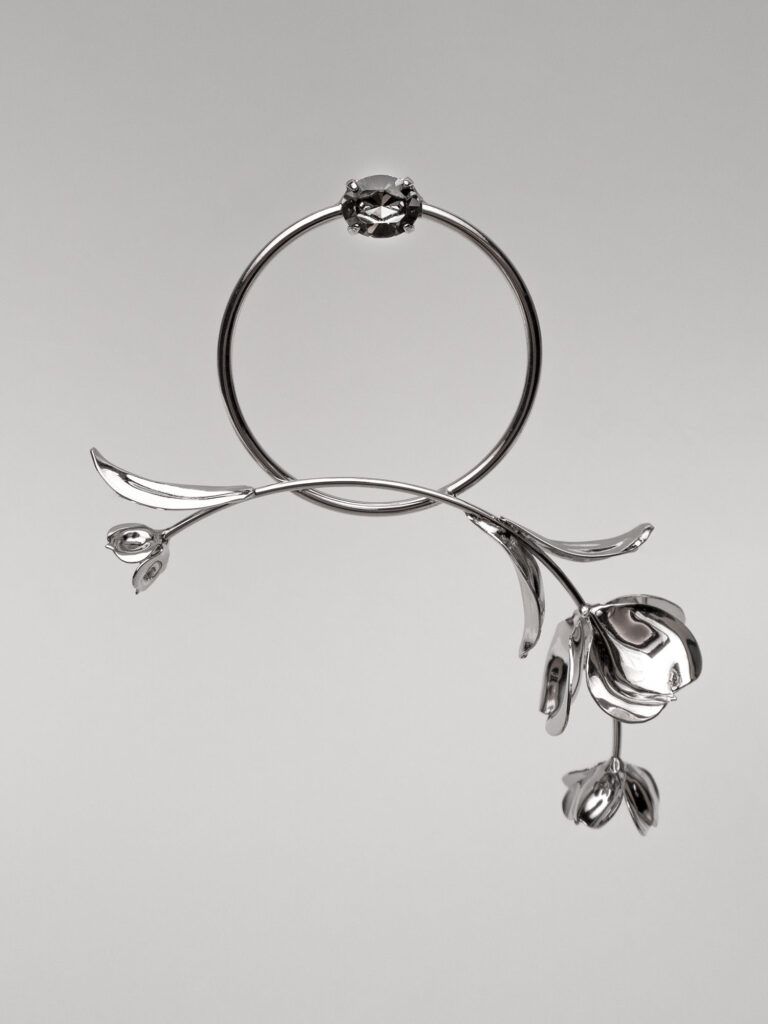
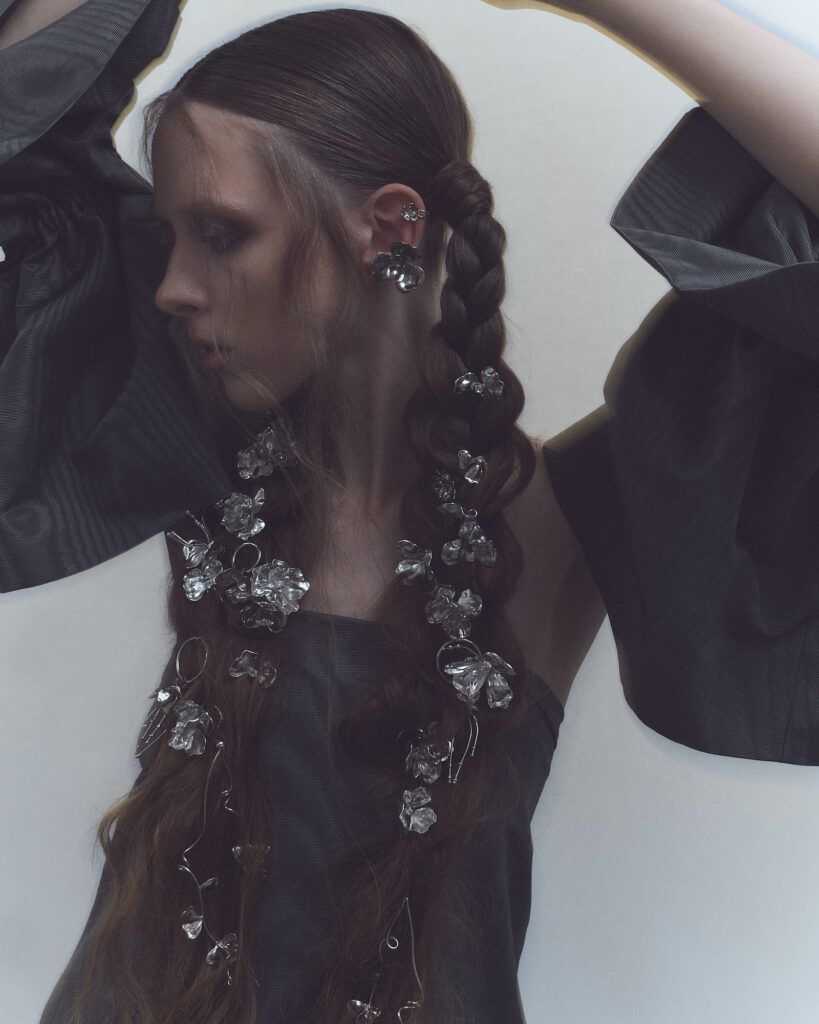
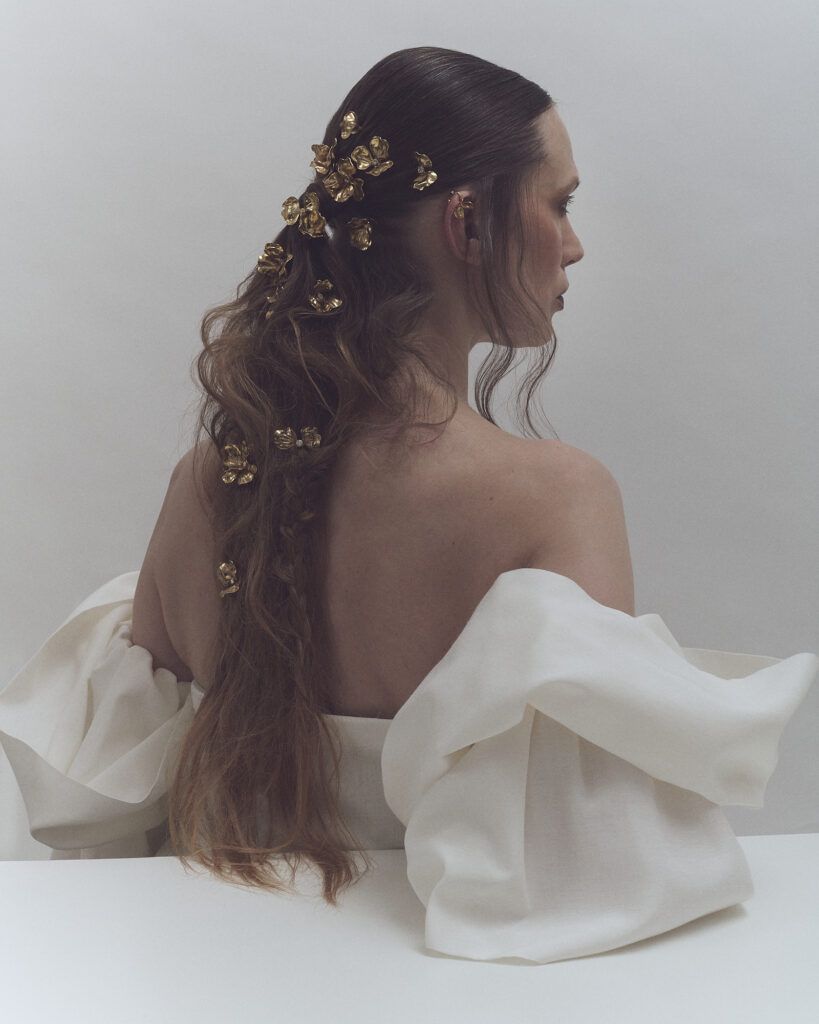
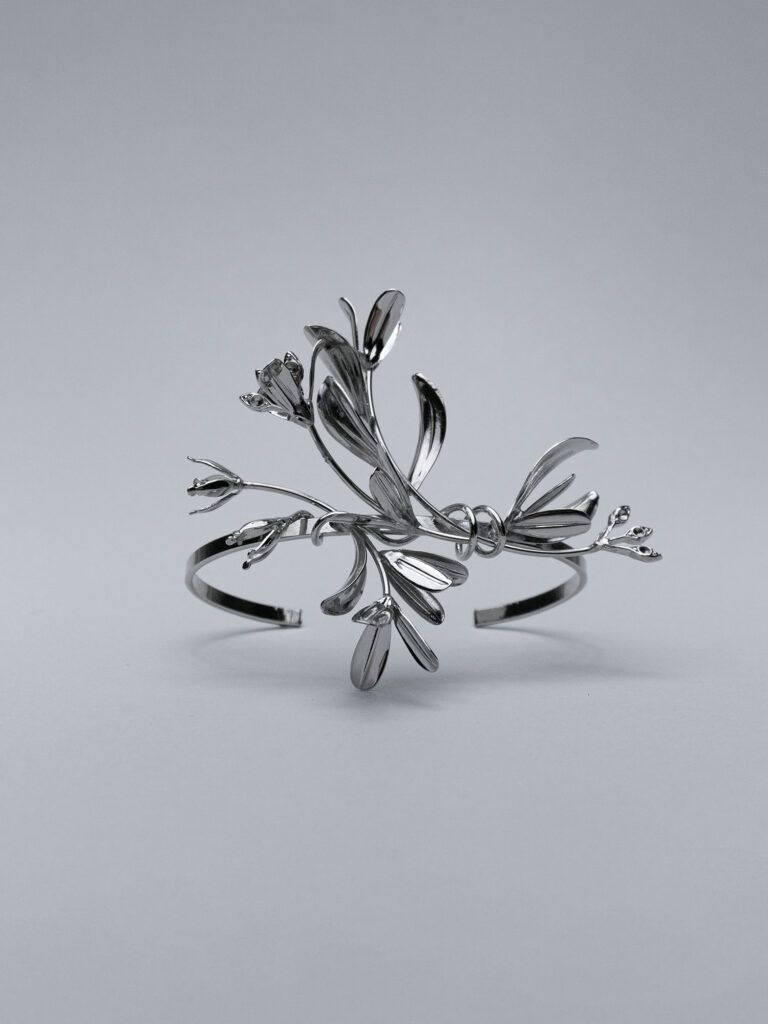
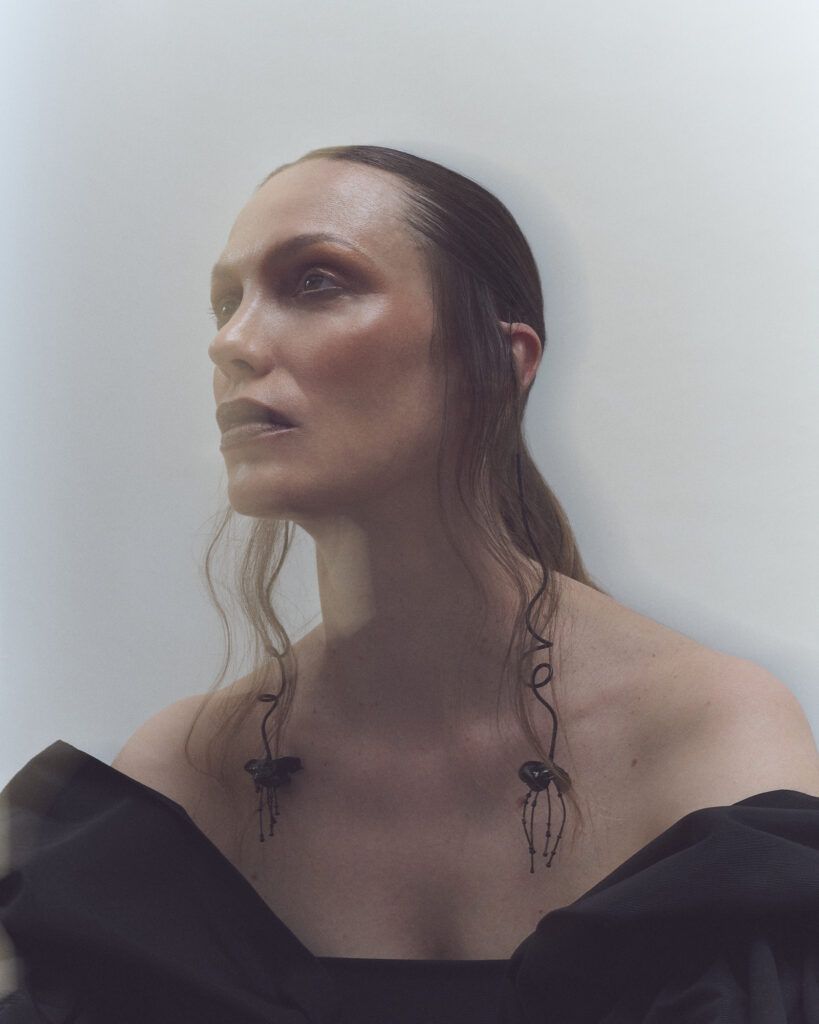
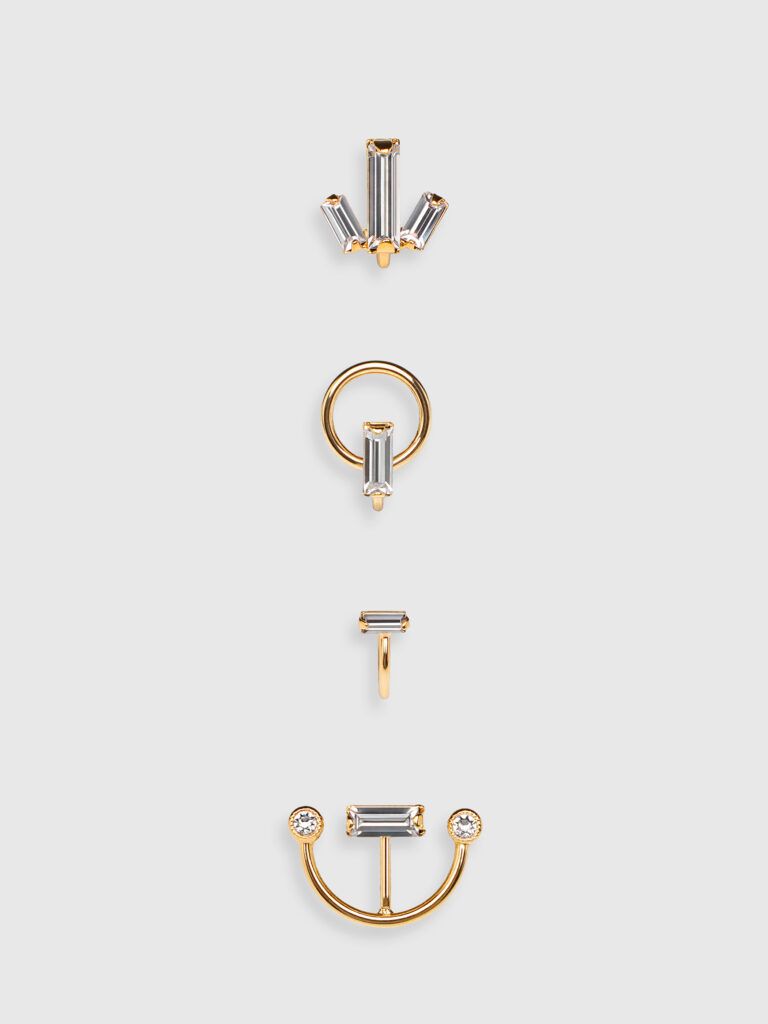
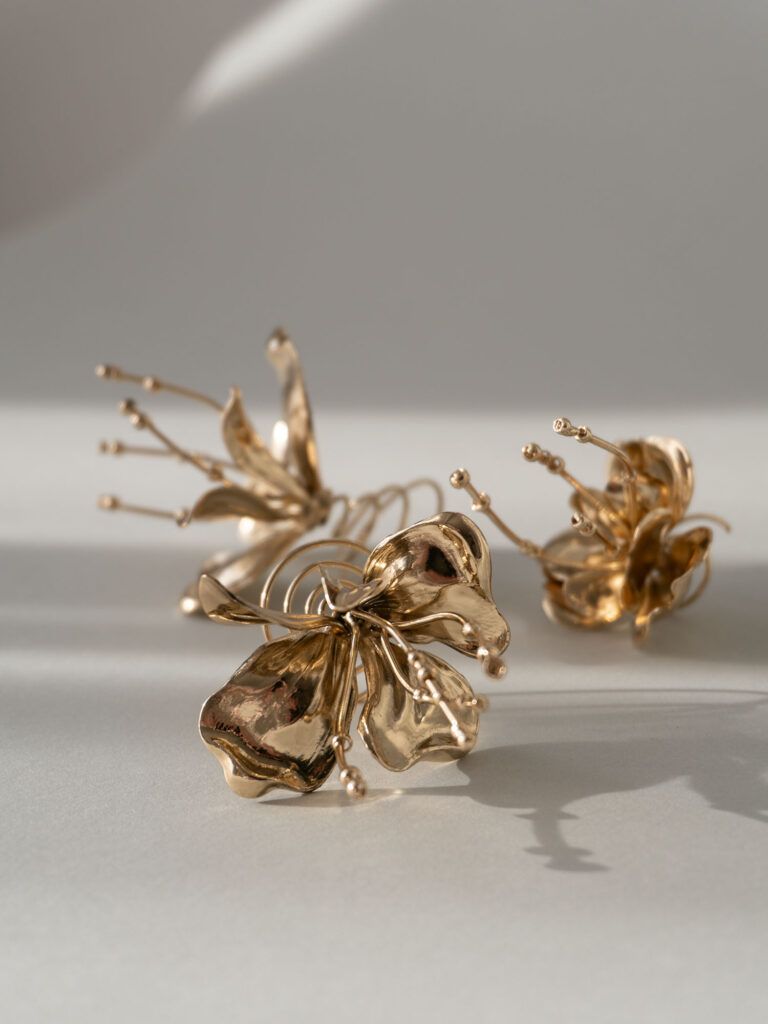
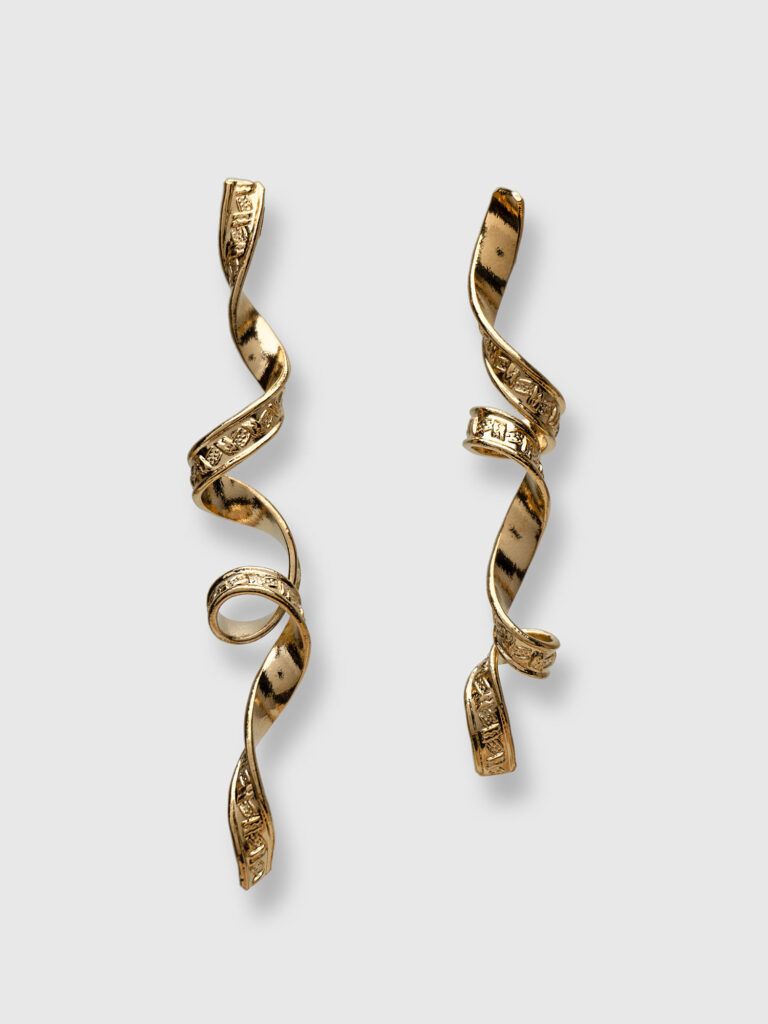
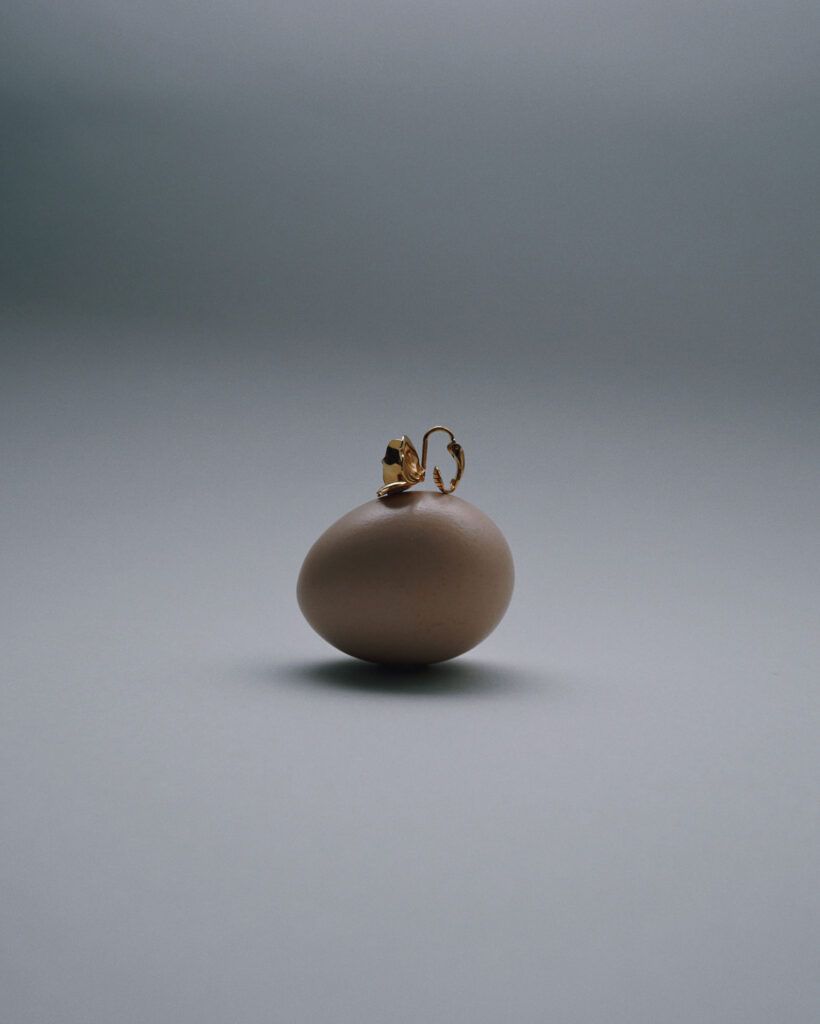
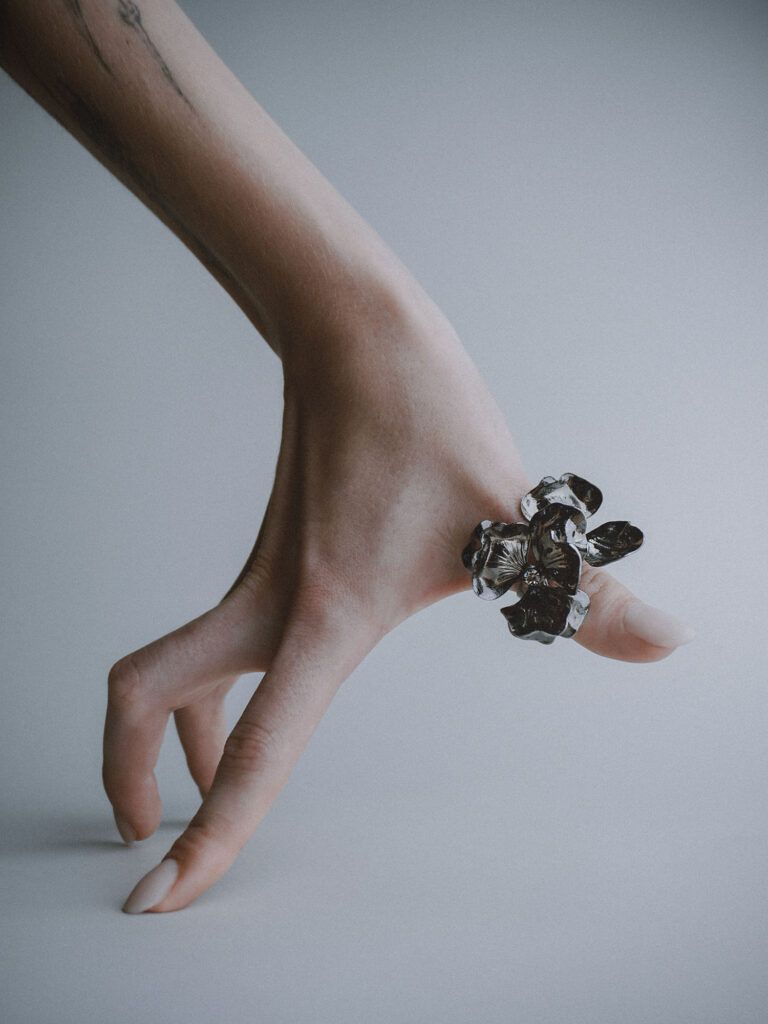
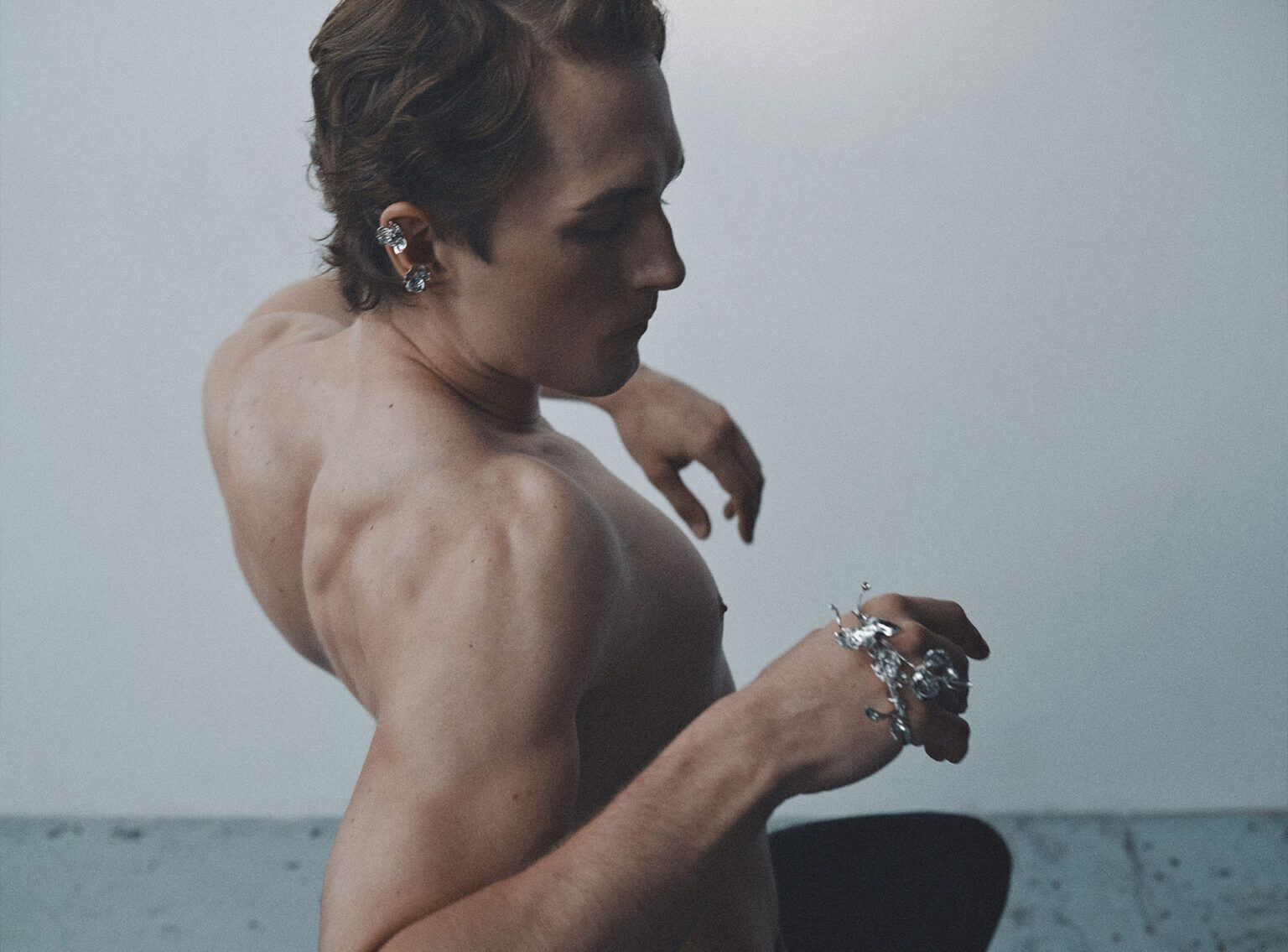
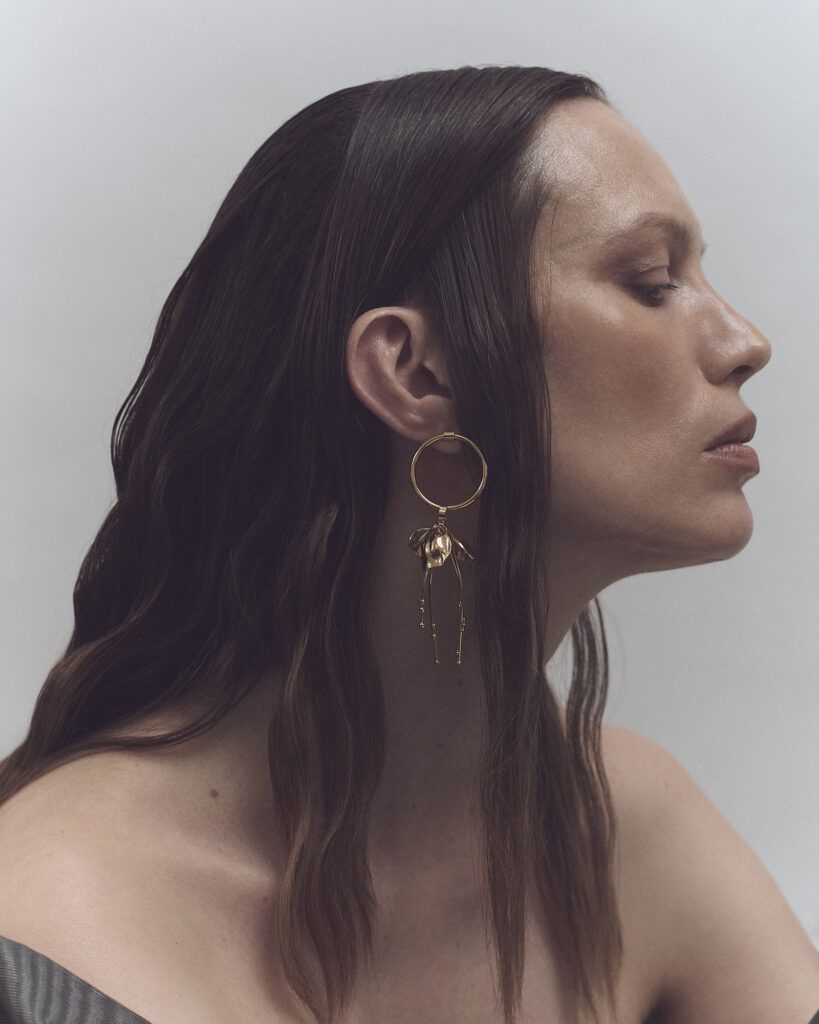
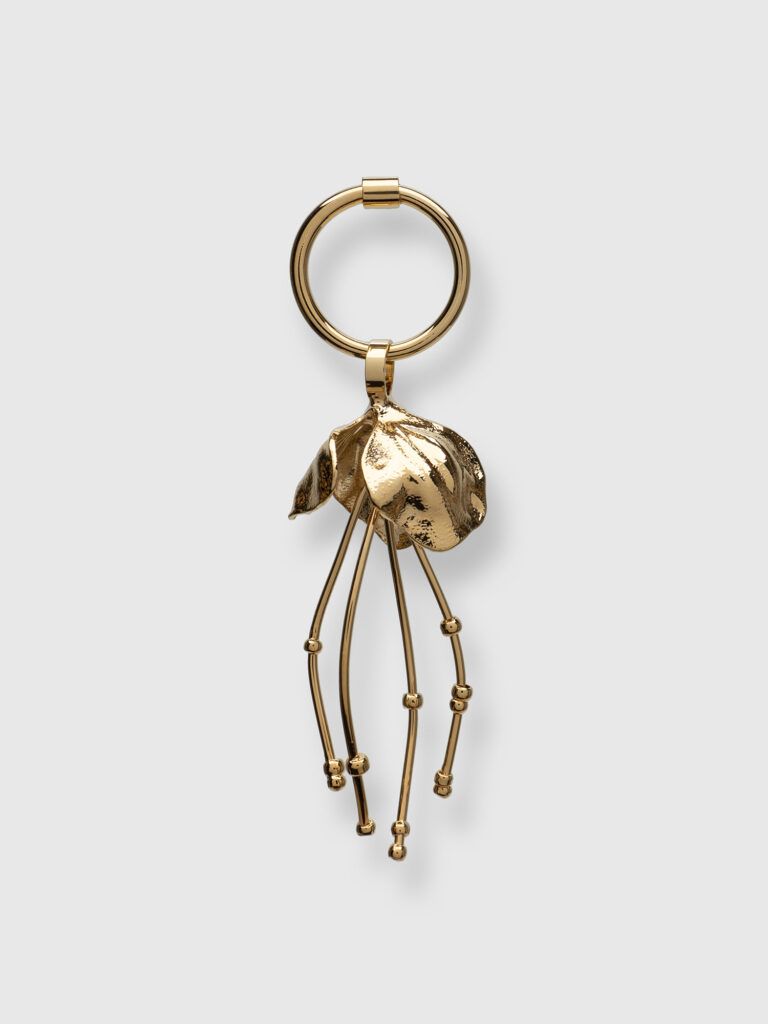
Under the inspired hands of Czech jewellery maker Tereza Otáhalíková, golden foliage creeps, twists, turns, and blooms, adorning hands, necks, ears, hairdos, and clothes. In the interview with the craftswoman, she talks the processes behind her dainty floral and organic shapes, how a piece gains depth and meaning through placement and context, researching a distinctive style, and more.

What drew you to jewellery? Was there a moment when you realised that jewellery was your true form of expression?
I’ve been fascinated by jewellery since childhood – I was like a little magpie. Professionally, I only decided to launch my own brand when I began to feel frustrated by the current state of Czech fashion jewellery and bijou. It seemed like such a shame to let this national treasure fade away, instead of reviving it.

In your work, you emphasise respect for tradition while also pushing the boundaries of Jablonec bijou – what does that balance mean to you personally?
Tradition is important to me, but I don’t want to blindly copy it. When I look at old designs, I’m fascinated by how every designer had their own distinctive style – even if it was “just” a flower, you’ll find thousands of variations and interpretations. That development and craftsmanship are something we can really build on. And often, when you think you’ve discovered something new, you realise it’s already been done before. So it’s not always about inventing something completely new – sometimes it’s just about presenting it in your own way, and perhaps reflecting the times we live in.

Do you feel that Czech jewellery has its own visual language or poetics that distinguish it from international trends?
It definitely used to, more so than today. Each country had its own character when it came to jewellery – Greece or Portugal, for example, have very distinctive styles. Czech jewellery has always been very delicate and sensitive to detail, sometimes maybe a bit too minimalist or practical. But thanks to globalisation, individualism, and the endless sources of inspiration available today, almost everyone can find their own unique approach.

Gold and glitter can be beautiful, but often deceptive. Do you see a line in jewellery between what is visually beautiful and what has real substance or depth?
Jewellery is, at its core, a beautiful object – an artefact. But it often only gains real depth when someone places it in a certain context or wears it with intent. I love when people know how to play with jewellery, to try things out and experiment. And even if a piece is “just” beautiful, without a deeper meaning, I don’t think there’s anything wrong with that. Aesthetics alone have value too. And simply feeling good because of it is just as important.

What do you enjoy most about the process of creation – is it the idea, working with the material or the moment someone starts wearing the piece?
Every phase has something special. I love the moment when an idea hits you and it’s strong – but sometimes it stalls because it lacks concept or deeper meaning. Then I have to put it aside and come back to it later. I used to love the moment when the jewellery came back from plating – all shiny and polished, like “brand-new babies.” But now I know that joy is short-lived – it’s quickly followed by a lot more work. Of course, it’s an absolutely fantastic feeling when someone falls in love with your work at first sight and you can share that excitement with them.

Did you like it?
Share it with your friends

Bio

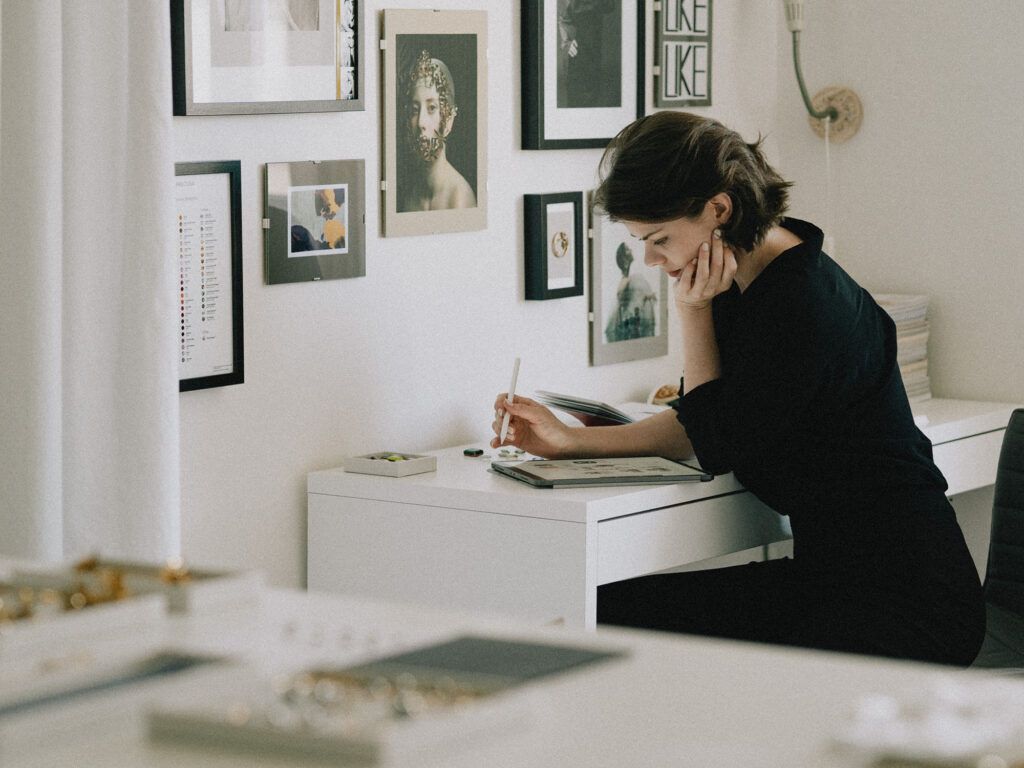
Tereza Otáhalíková studied fashion design at Tomáš Baťa University. However, she traded fashion for jewellery. She began her artistic journey in this field in the cradle of Czech bijou, Jablonec nad Nisou, where she continues to produce her collections to this day. In doing so, she carries on the local tradition of glass and jewellery making, which dates back to the 18th century, and brings to it a fresh, bold, and inspiring perspective. In addition to jewellery design, Tereza is also involved in illustration, set design, and styling.
Credits

Designer /Tereza Otáhalíková @terezaotahalikova

www.terezaotahalikova.com

Interview / Kateřina Hynková @khynko

You may also like

Polish choreographer Iza Szostak’s circus is a philosophical system, a choreography of risk, precarity, and collective survival mirroring the contemporary condition. Discover today how her new performance Trapeze, premiering at Studio Hrdinů in Prague, turns the trapeze bar into a narrator, and the clown into an energy valve for a world on the brink of collapse.
“It is a story about a long night, about everything that disappears during the day and only comes out after dusk.” Polish fashion designer Pat Guzik breathes new life into her garments by collaborating with visual artists, such as Aleksandra Waliszewska and Zbiok Czajkowski, whose dreamy and tongue-in-cheek works adorn the skirts, sweatshirts, jackets, and other ready-to-wear pieces by the designer.
French painter and illustrator Sébastien Pastor navigates between naïve figuration and abstract expressionism, building visual worlds where bold color palettes pulse with rhythm and absurdity. Discover how his colorblindness became a creative signature and how he leaves room for the enigmatic in his works.
Spanish illustrator Laura Mestre transforms emotional overflow into tender visual poetry, using symbols of water, flowers, and cracks to map the quiet beauty hidden within difficult experiences. Discover how metamorphosis, instinct, and a fanzine called "Hay que volver" helped her reclaim drawing as both refuge and release.