BUTTON AND LOOP

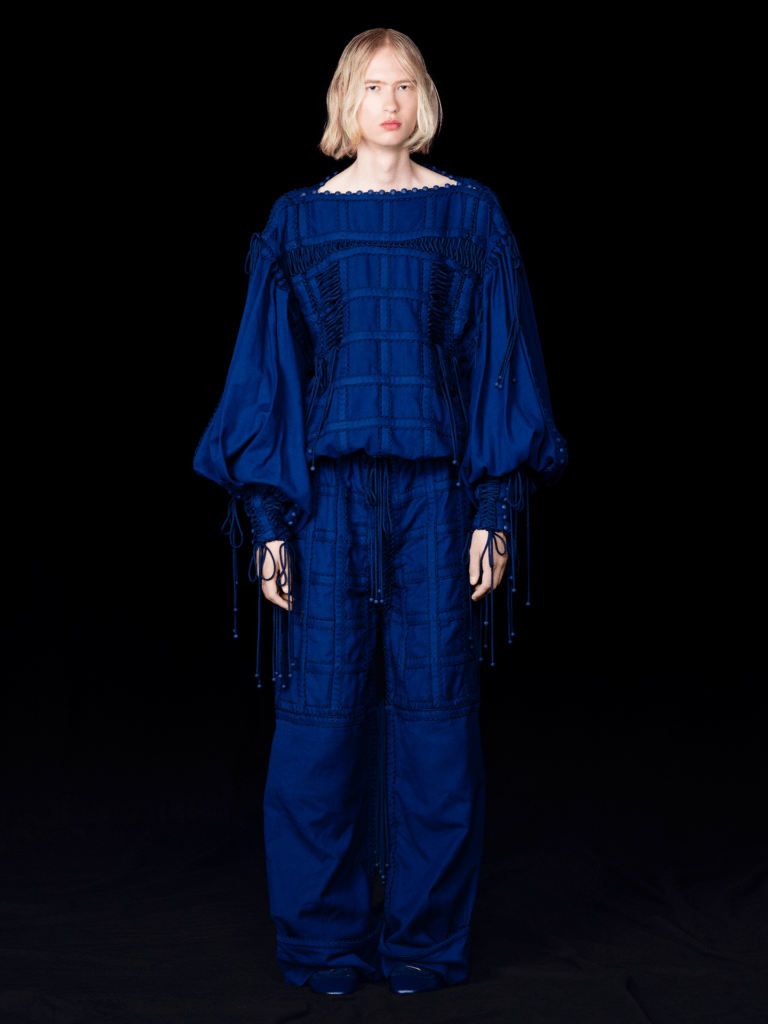
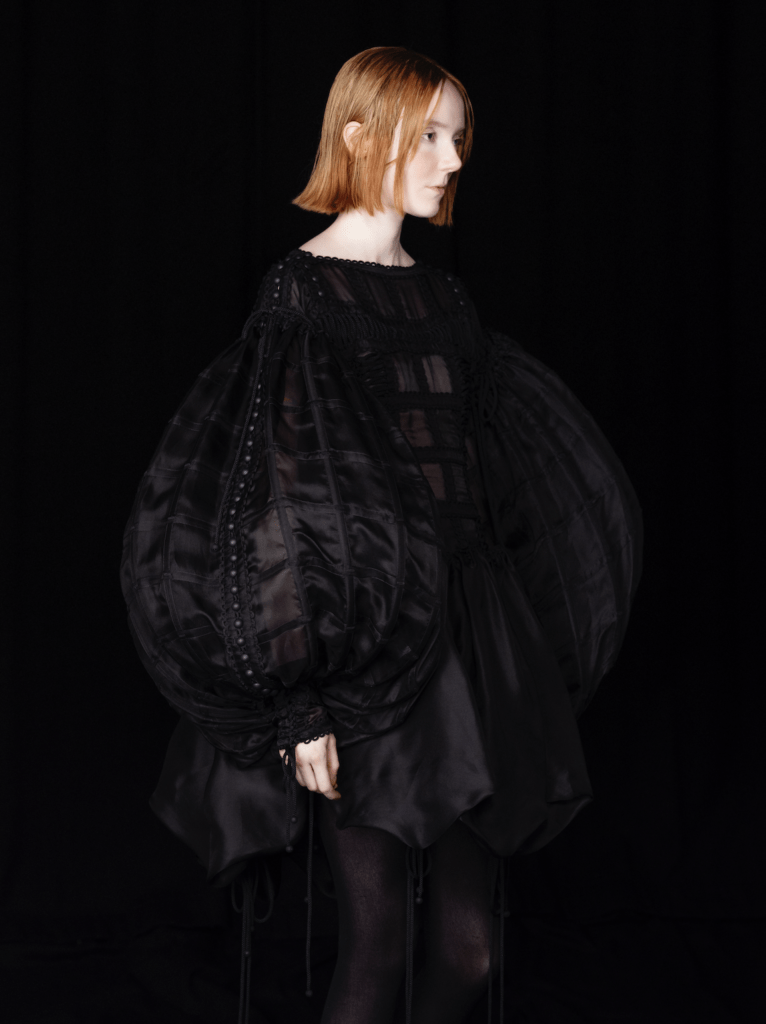
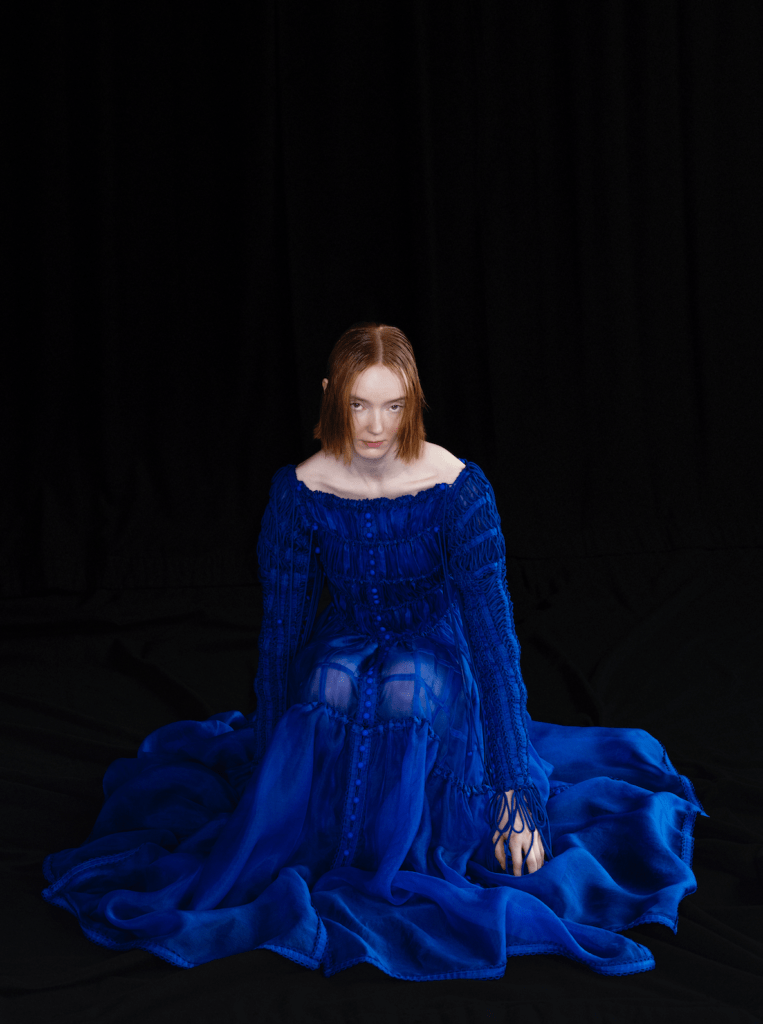
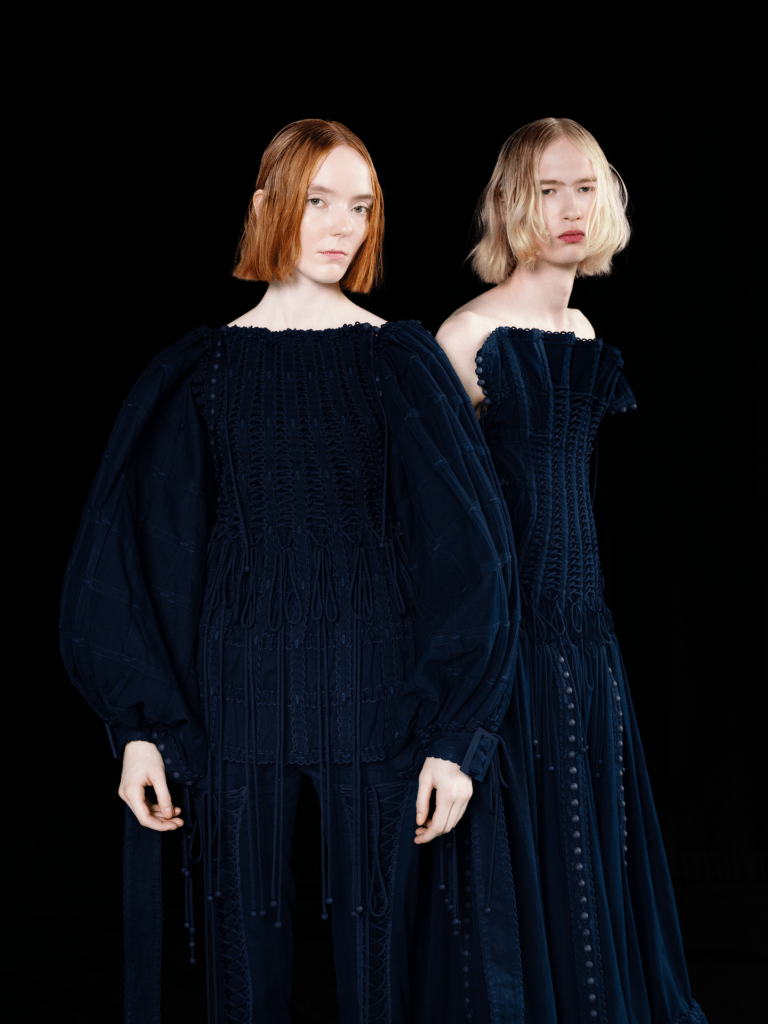
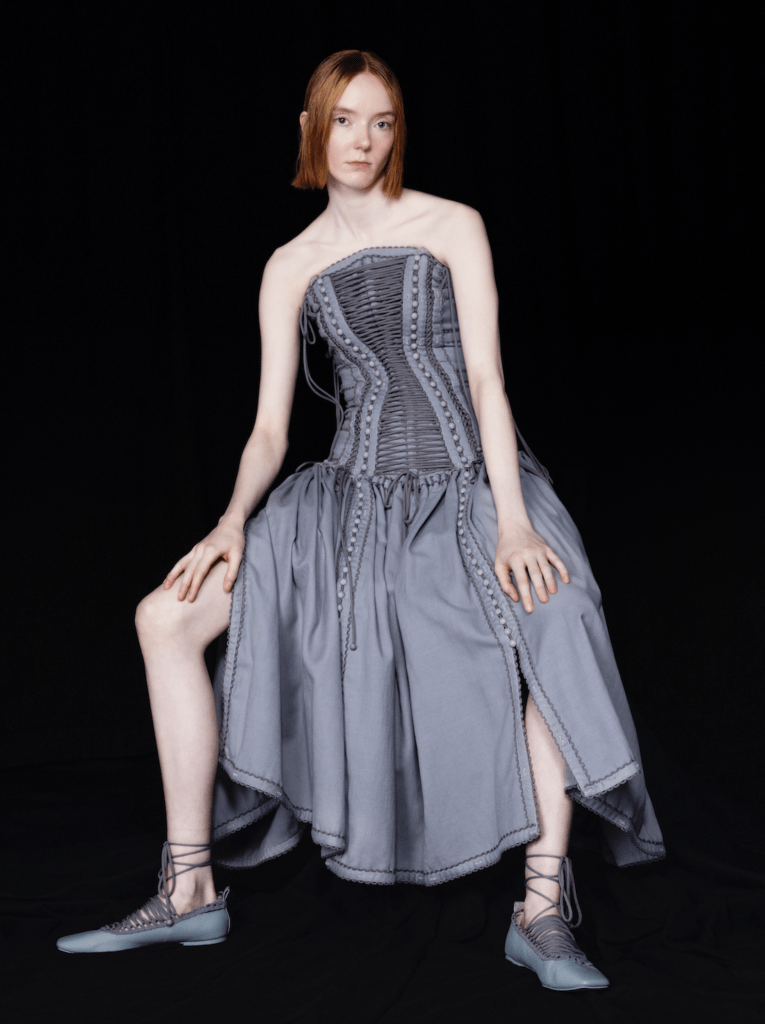
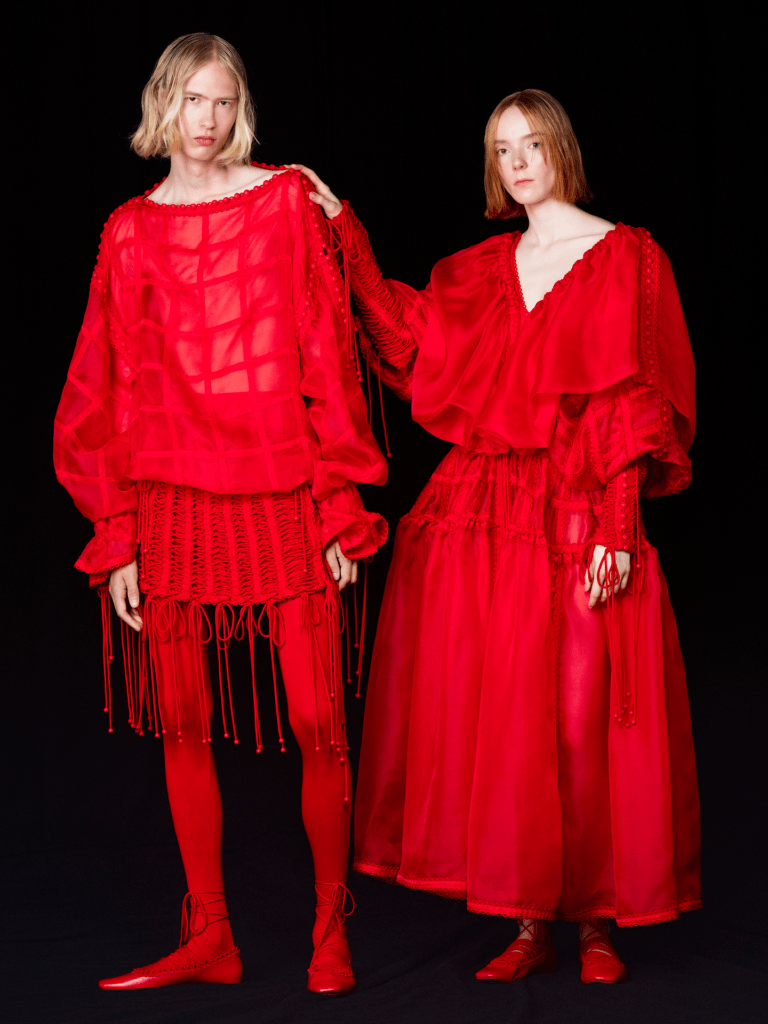
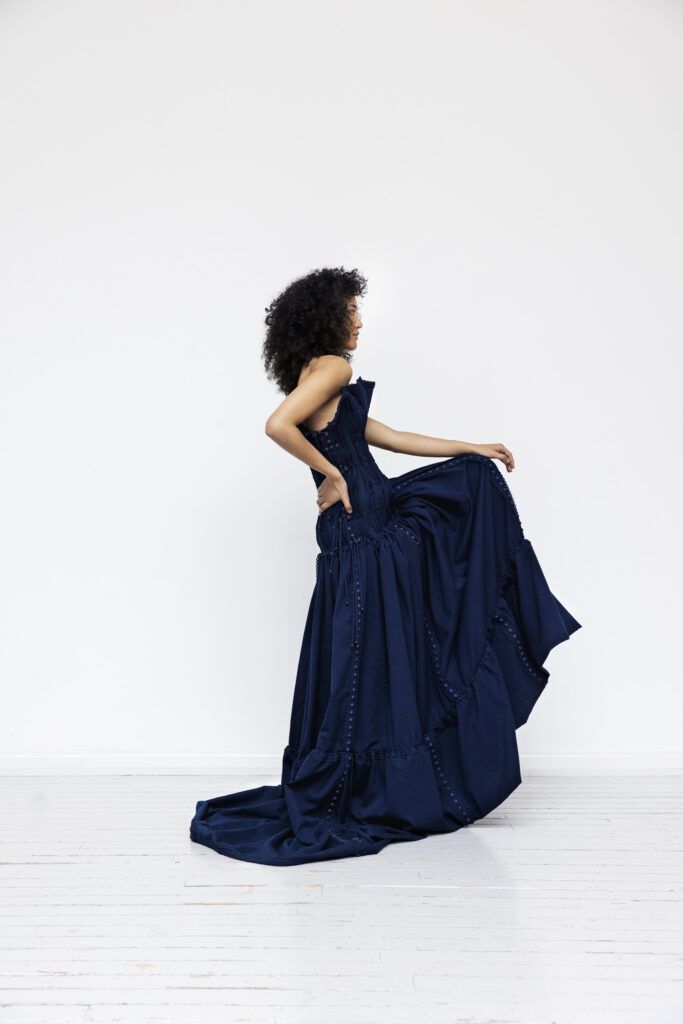
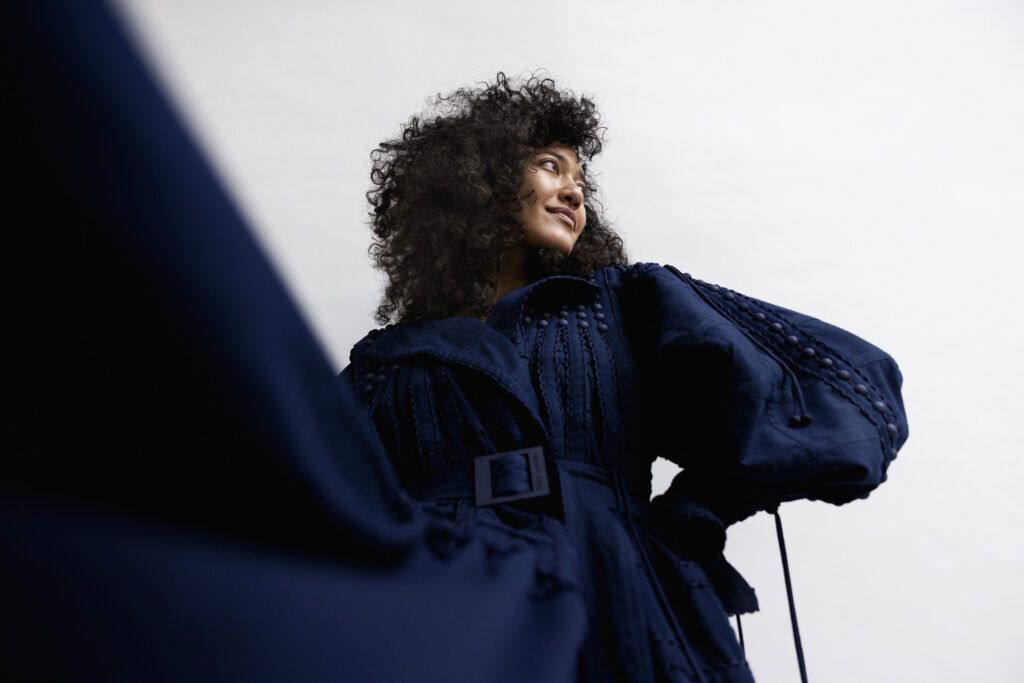
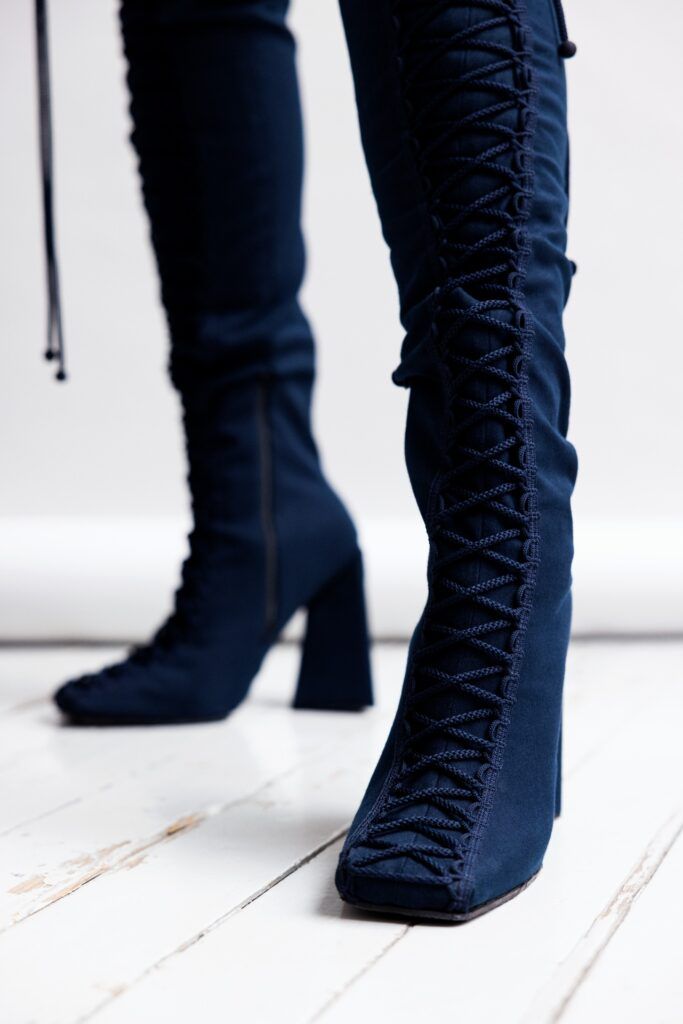
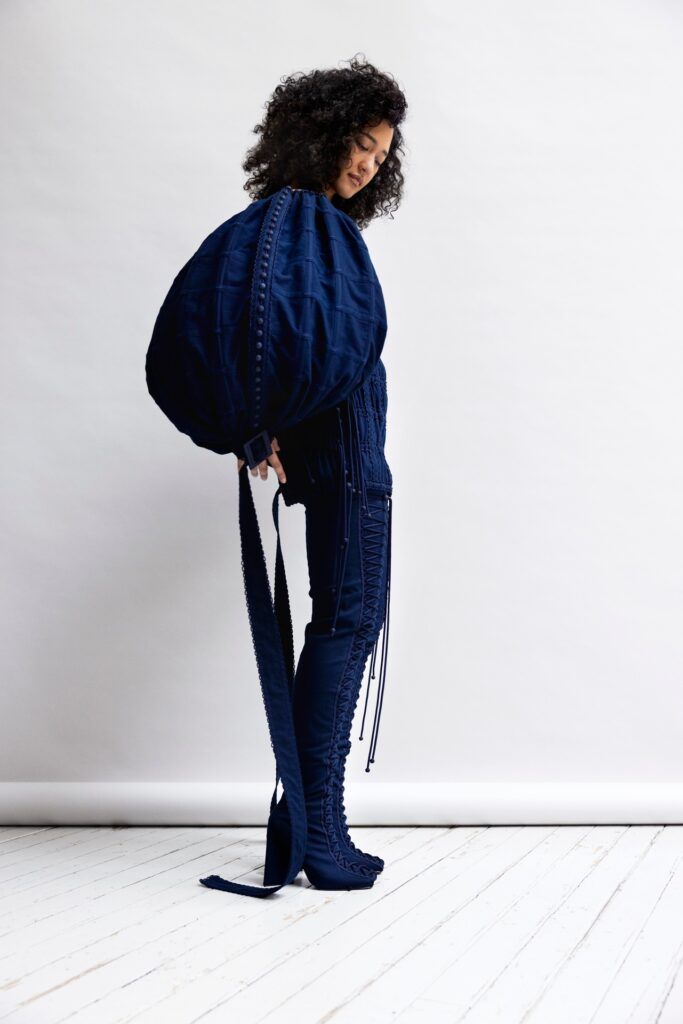
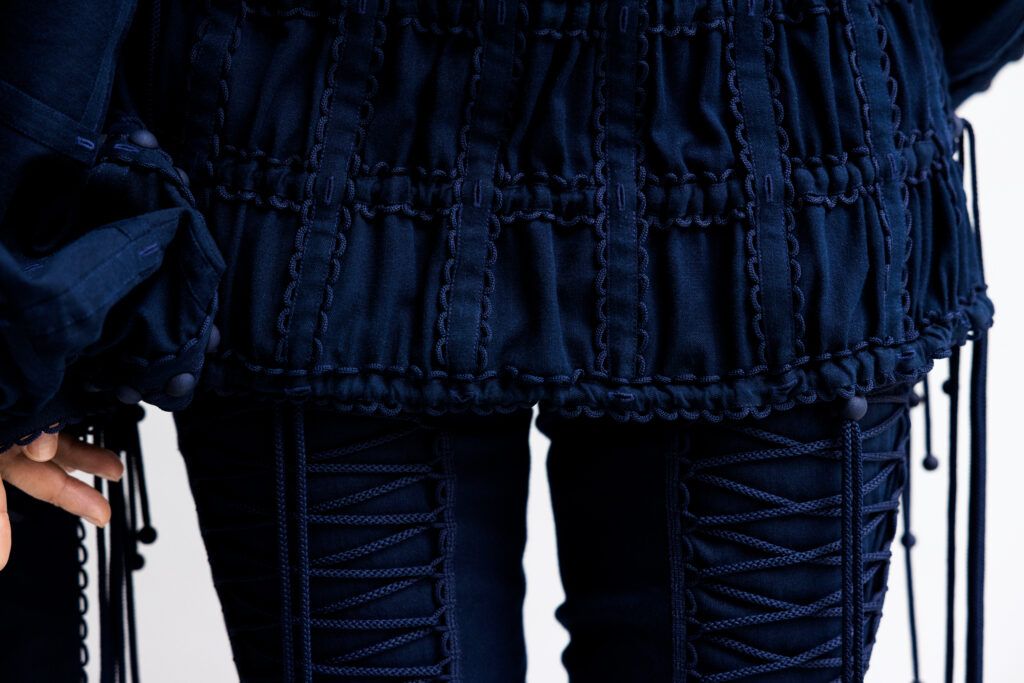
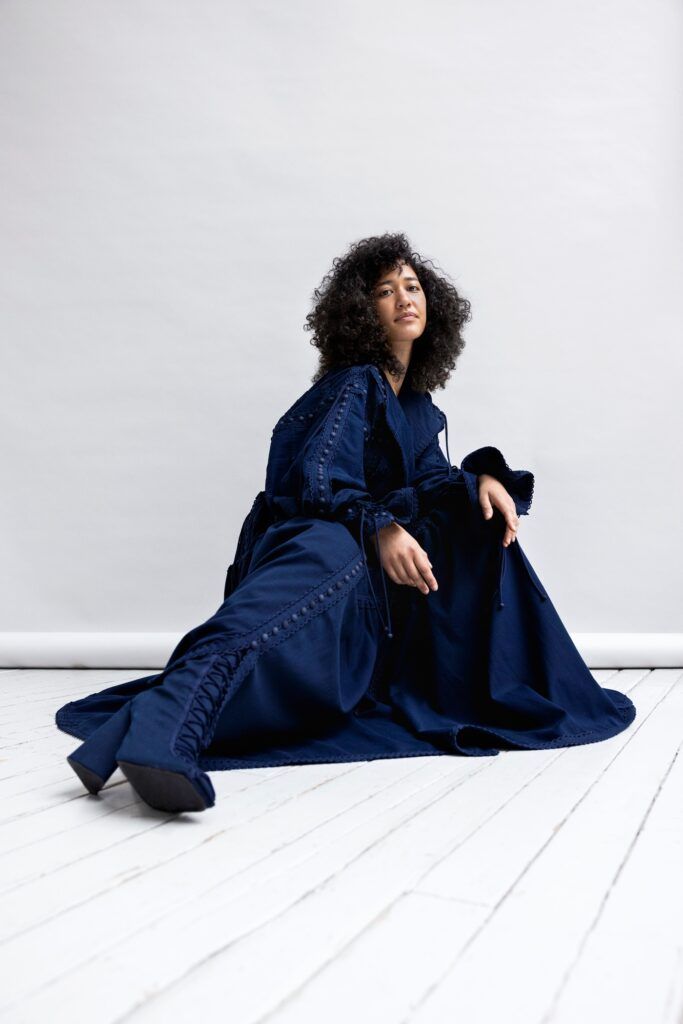
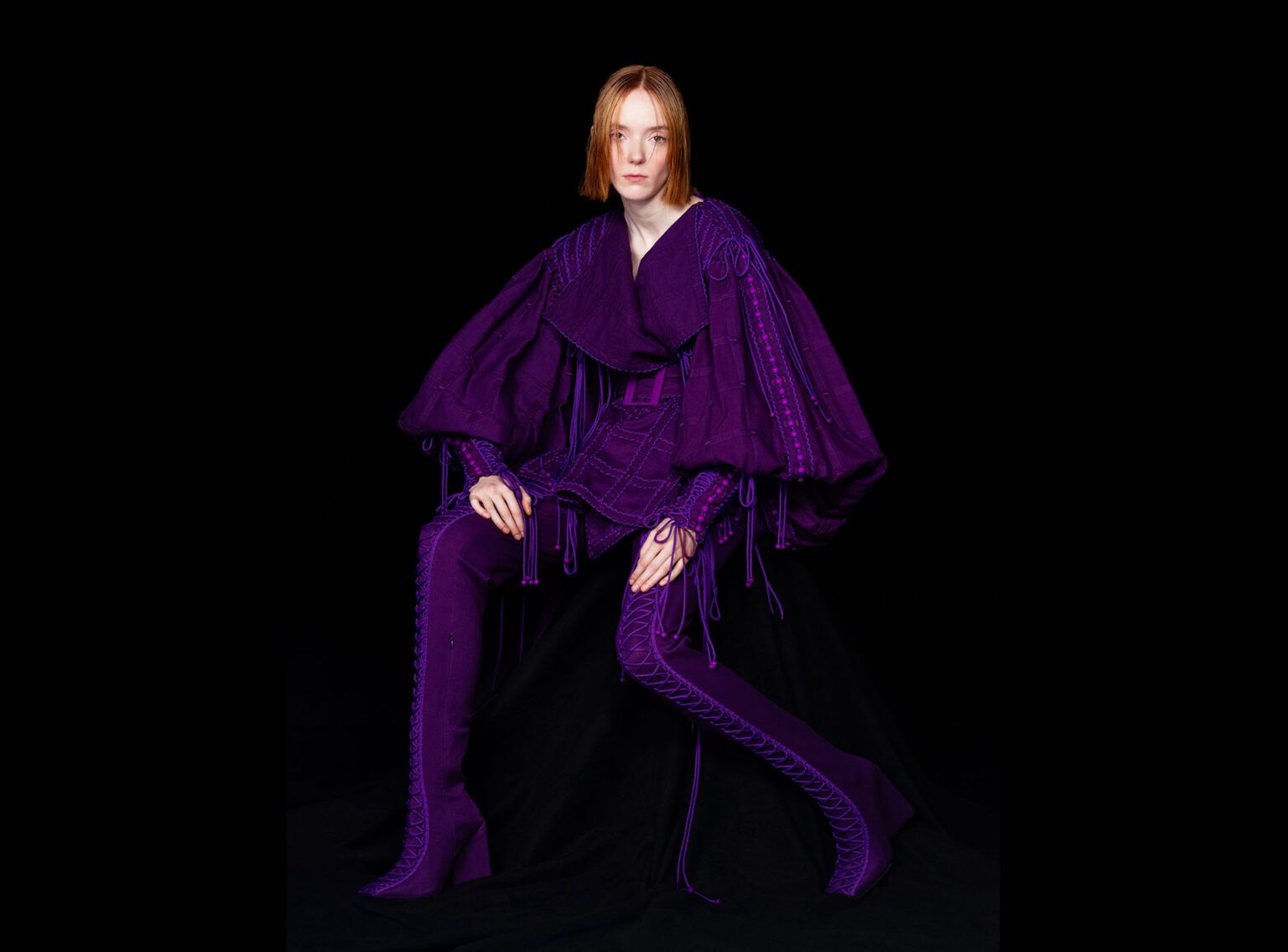
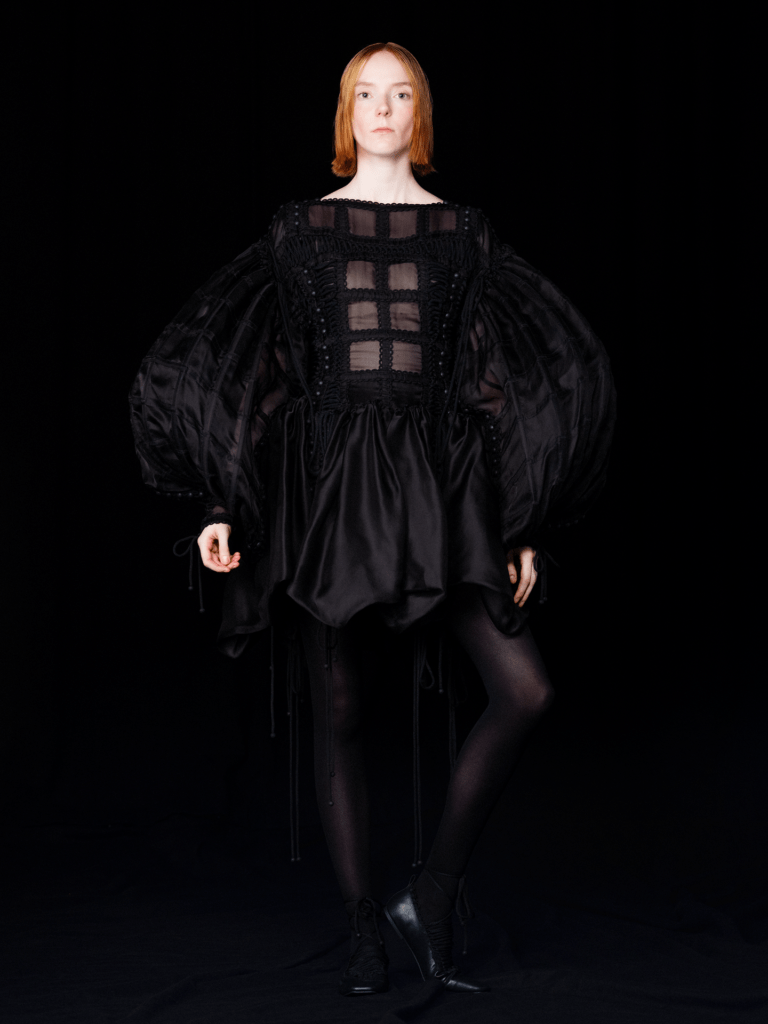
Finnish designer Sofia llmonen crafts her garments with freedom in mind. Freedom to express, to play, freedom to dismantle and reassemble again. Her generous silhouettes with strong mediaeval and renaissance undertones feature elaborate fastening and lacing methods that allow for instant modification of the garment in the spirit of modularity sustainability. Explore her work brimming with possibilities.

Your approach is very characteristic of its utilitarian principle based on modularity and versatility. Can you describe how you process the patterns and why? 

My approach indeed embraces a strong utilitarian principle centred on modularity. The designs prioritise versatility, functionality, and sustainability. By employing a modular system, each piece can be reconfigured, adapted or combined in various ways, allowing for multiple looks and extended wearability. This approach not only emphasises practicality but also embodies my commitment to reducing waste by crafting timeless, adaptable designs that evolve alongside the wearer.

Variability also lies in the application of many ways of fastening and lacing. Is it important for you that people can change your clothes and style them in their own way? Could it happen that someone misunderstands your intention? 

Absolutely, I love the fact that people can make the garments their own. The variability in fastening and lacing is intentionally designed to give wearers the freedom to experiment and express their individuality. It’s incredibly rewarding to see how each person interprets and styles the pieces in a way that reflects their personality. 

While it’s possible that someone might not fully grasp my original intention, I see that as part of the beauty of the process. The designs are meant to inspire creativity, and different interpretations add layers of meaning and life to the garments, making them even more special.

You live and work in Finland. Does made-to-order and unconventional fashion have a place in society here? 

The fashion community in Finland is relatively small, and modular fashion remains a niche market at the moment. However, I truly believe there is a place for it here. Finnish consumers have shown an appreciation for thoughtful, sustainable, and unique design, and there is a growing interest in made-to-order fashion. 

Made-to-order not only allows for more sustainable production but also offers the opportunity to create something truly personal and unique. I believe that with time, the idea of modular fashion will resonate more strongly, as people seek versatility, individuality, and timeless design that can adapt to their personal style and lifestyle. 

Your artistic expression is very feminine. What does this visual side of things mean to you? 

The visual side of my work is deeply connected to my perspective on femininity, strength, and grace. For me, fashion is not just about aesthetics – it’s a way to express identity, empowerment, and individuality. I see femininity as a celebration of inner strength, resilience, and fluidity, which is reflected in my designs through elegant lines, delicate details, and a sense of balance.  

I believe that fashion should make people feel confident and free while remaining adaptable. The visual elements are a reflection of this belief – creating a look that feels powerful but also graceful,  personal but universal. It’s about empowering people to express themselves authentically,  embracing their uniqueness, and celebrating the different facets of who they are.

You address the issue of sustainability. How do you reflect it in your work?  What is the future of textile art? 

Sustainability is a core value in my work, and I strive to address it with a commitment to longevity. My approach centres on creating modular pieces that reduce waste and encourage versatility. By using high-quality materials and crafting designs that can be adapted, combined, and reconfigured in multiple ways, I aim to create garments that have a longer life cycle, rather than being discarded after a few wears. I also prioritise sourcing materials responsibly and collaborating with suppliers who share these sustainable values. Every detail is carefully considered to minimise environmental impact while maintaining the integrity and timeless aesthetic of the designs. 

As for the future of textile art, I believe it lies in a more sustainable, conscious approach where creativity and functionality coexist with responsibility. Textile art will continue to evolve into an intersection of beauty, craftsmanship, and care for the environment. We’ll see more innovation in upcycling, eco-friendly materials, and designs that celebrate adaptability and versatility, ultimately creating a more meaningful relationship between the wearer, the garment, and the environment.

Did you like it?
Share it with your friends

Bio

Sofia llmonen is the founder and designer of her namesake brand that focuses on transformable modular garments. Her collections are constructed from square modules in her Helsinki studio and assembled with a button-and-loop mechanism offering countless possibilities to transform and modify the pieces. The concept concentrates on lengthening garment life through the prospects of reassembling the modular pieces again and again. 

Sofia’s design approach strongly embraces femininity and celebrates the diversity of bodies. Through the modifiable structure, the collections are size-inclusive and follow the one-size-fits-all principle. Moreover, the core of the brand lies strongly in sustainable values, having won the Mercedes-Benz Sustainability Award at the 36th edition of the prestigious Festival de Mode de Hyères in 2021. She has also been awarded Marimekko and Finnish Textiles and Fashion prizes for her innovative approach to sustainable fashion.

Credits

Fashion Designer / Sofia llmonen @sofiailmonen

https://www.sofiailmonen.com/

Interview / Agáta Zapotilová

3rd Edition collection created in collaboration with SPINNOVA®

Photographer: Dinana Luganski
Artistic Direction: Minttu Vesala
MUAH: Juho Lehiö
Models: Anni, Sisterhood
Johannes, Paparazzi
Assistance: Misha Luganski

Spinnova x Sofia Ilmonen

Producer: 20/20 Helsinki
Hair & Makeup: Anna Mannila
Models: Alexandra Mitiku, Viivi Tsukimoto
Landys Roimola, Saara E
You may also like

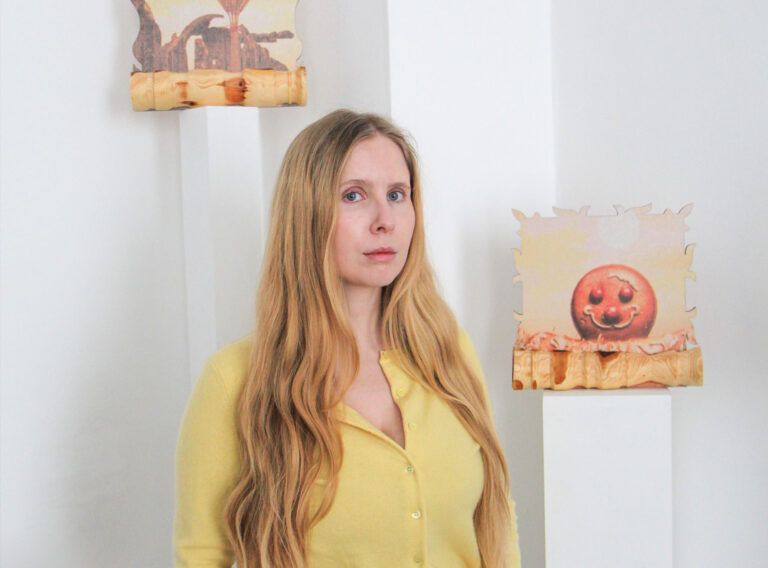
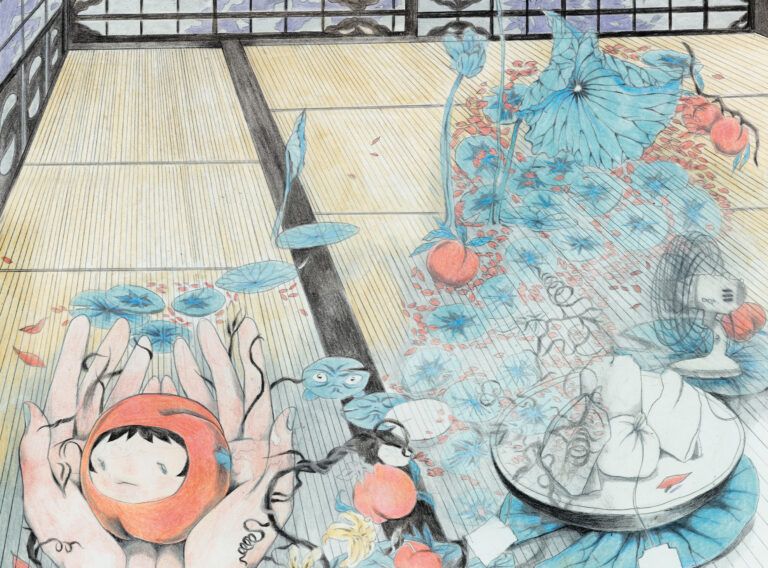
Ema Prosová's work doesn't announce itself loudly. Her drawings and paintings on silk operate in a register that's contemplative, layered, almost whispered: figures emerging from lychee fruits, hospital rooms floating in eerie space, architectural fragments mingling with natural forms. The work comes from years spent moving between cultures and techniques, learning lacquer painting in Vietnam, silk painting in Indonesia, living in Tokyo, and now finishing her degree at the Academy of Fine Arts in Prague.
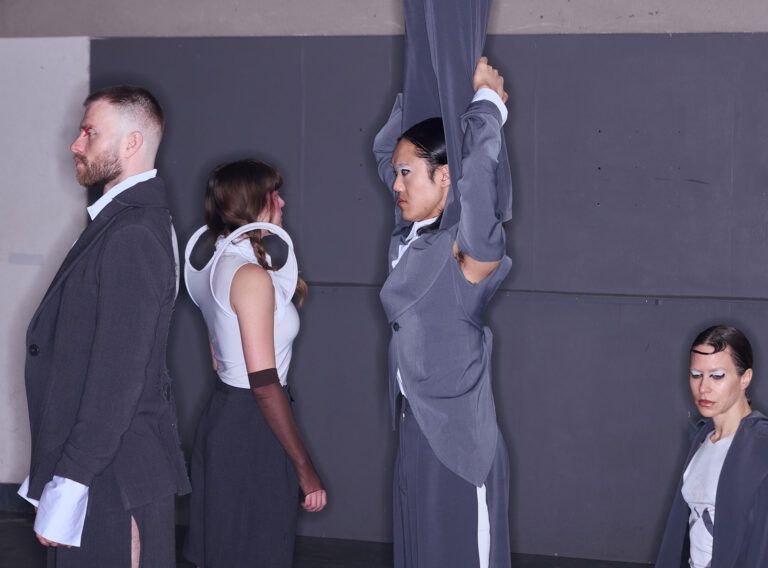
Polish choreographer Iza Szostak’s circus is a philosophical system, a choreography of risk, precarity, and collective survival mirroring the contemporary condition. Discover today how her new performance Trapeze, premiering at Studio Hrdinů in Prague, turns the trapeze bar into a narrator, and the clown into an energy valve for a world on the brink of collapse.
“It is a story about a long night, about everything that disappears during the day and only comes out after dusk.” Polish fashion designer Pat Guzik breathes new life into her garments by collaborating with visual artists, such as Aleksandra Waliszewska and Zbiok Czajkowski, whose dreamy and tongue-in-cheek works adorn the skirts, sweatshirts, jackets, and other ready-to-wear pieces by the designer.
French painter and illustrator Sébastien Pastor navigates between naïve figuration and abstract expressionism, building visual worlds where bold color palettes pulse with rhythm and absurdity. Discover how his colorblindness became a creative signature and how he leaves room for the enigmatic in his works.