THE POETRY OF METAMORPHOSIS

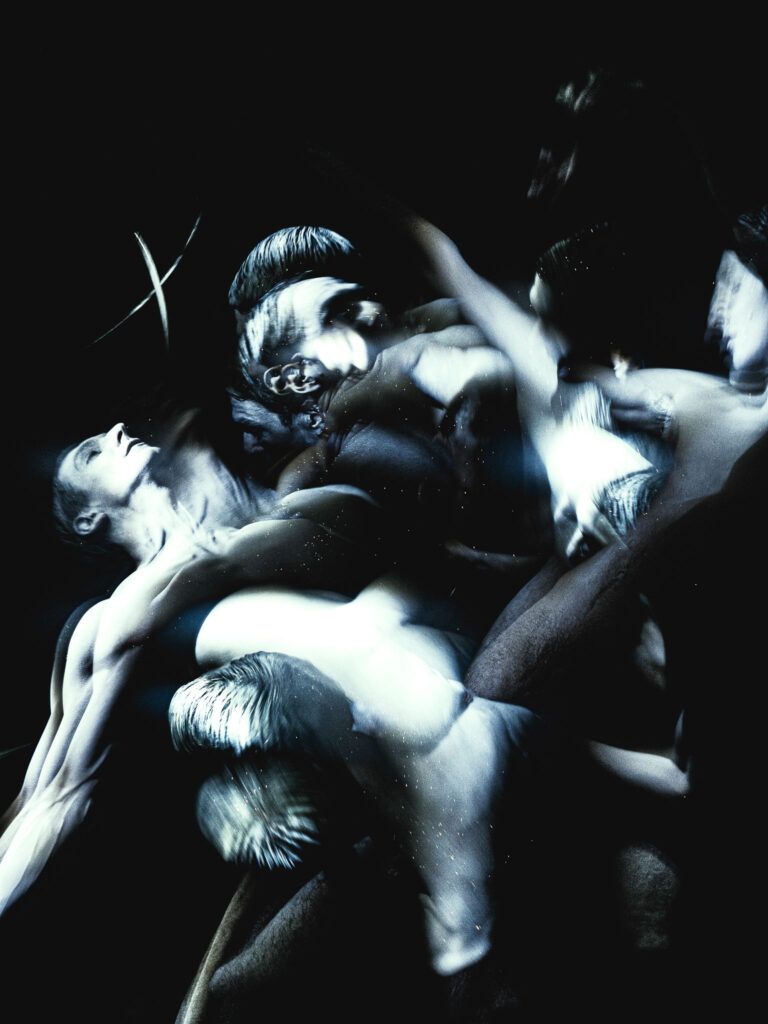
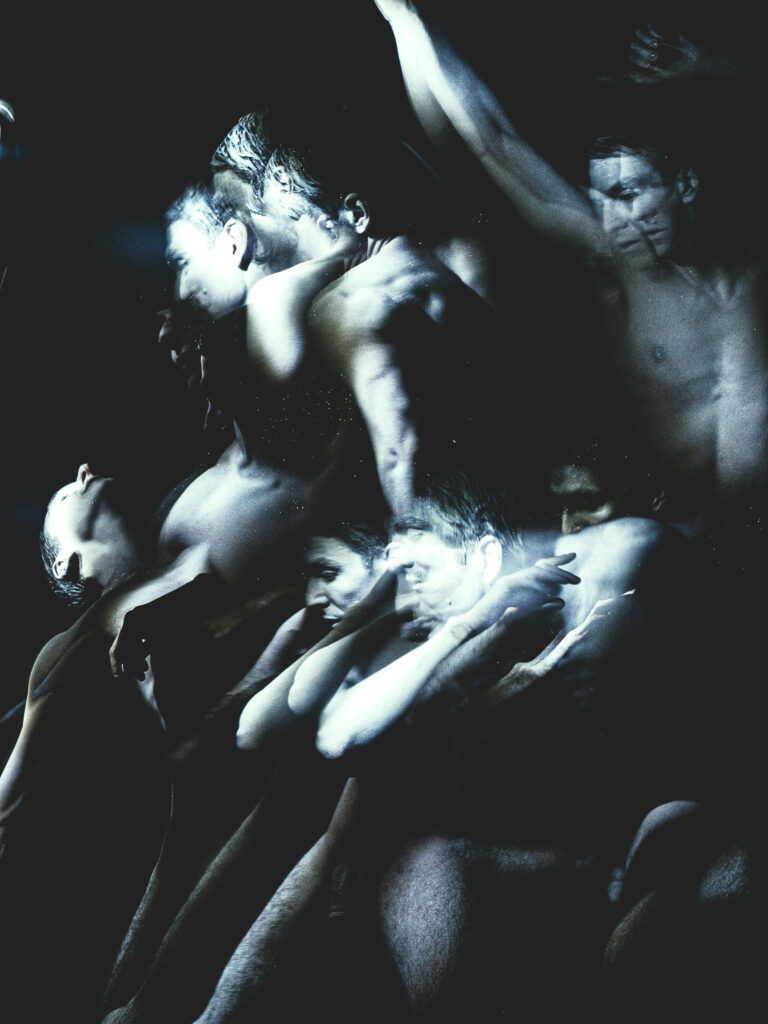
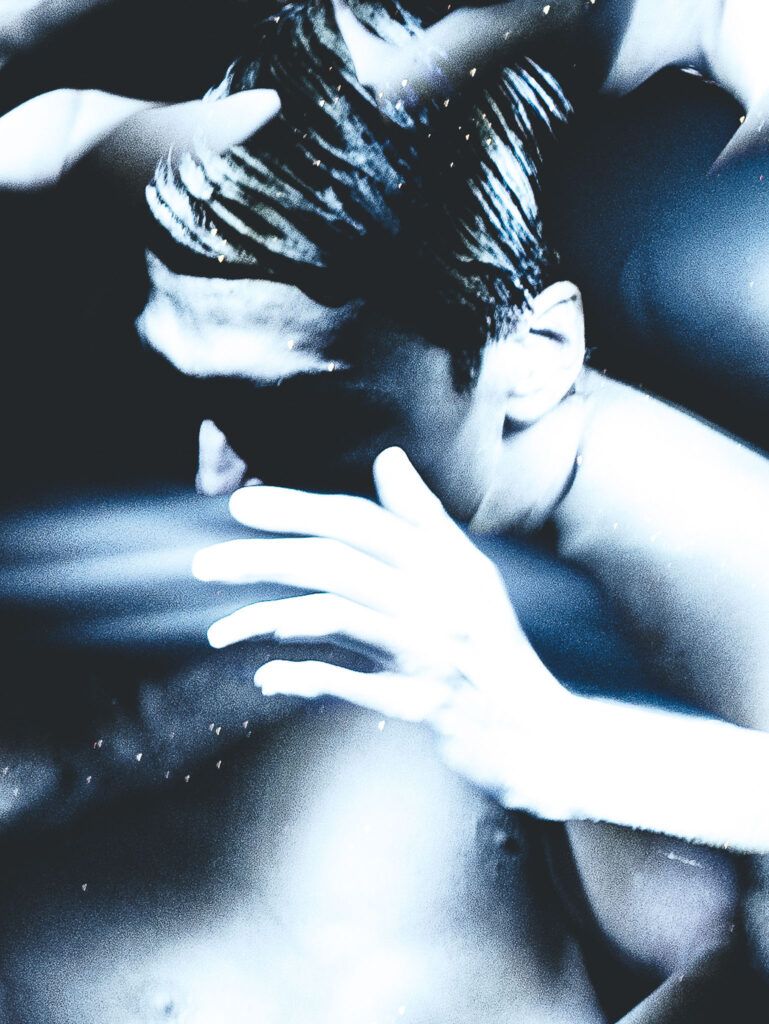
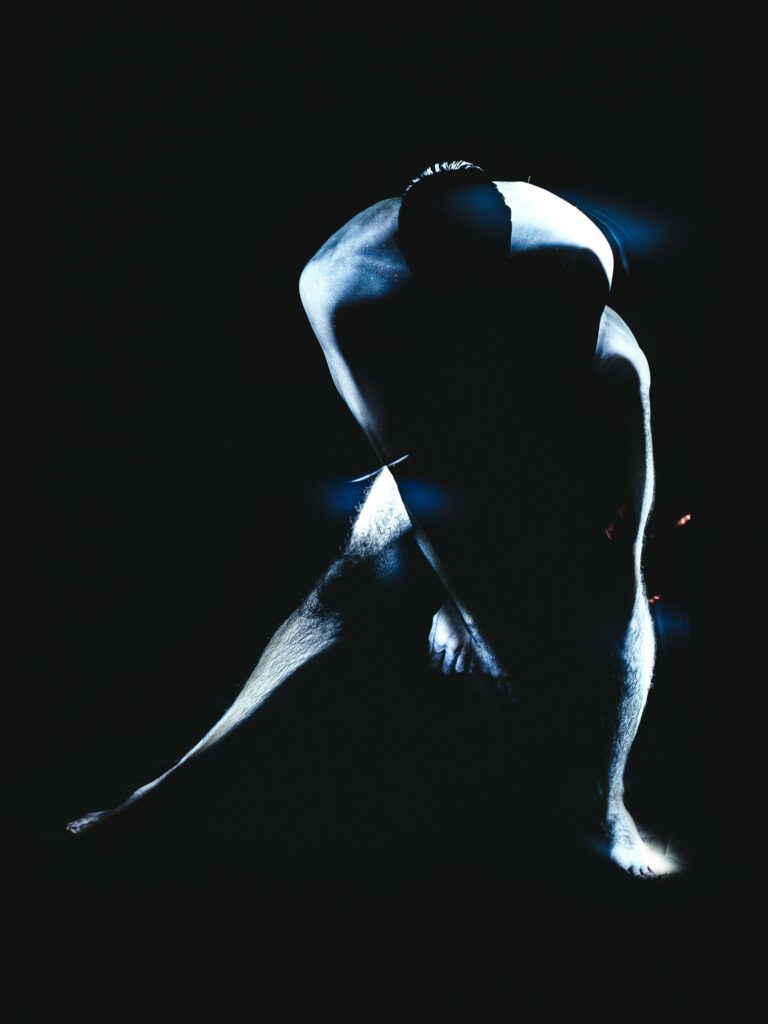
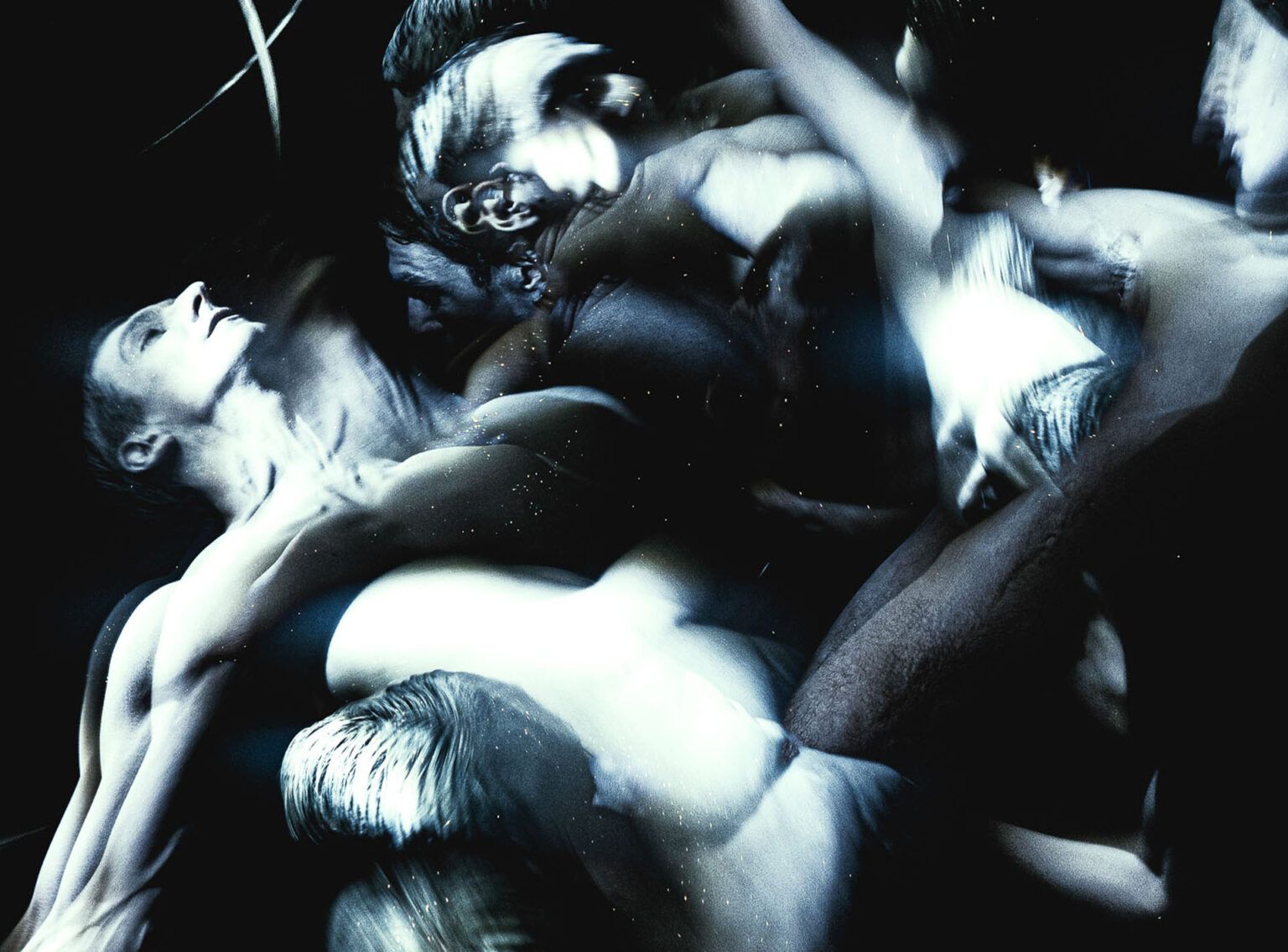
French photographer Camille Leprince transforms bodies into atmospheric forces through long exposures and oxidizing metals, creating portraits that pulse with erotic vulnerability and sacred darkness. Discover how cinema, intimacy, and the alchemy of time shape his haunting choreography of contemporary heroes in today's interview.

Your portraits feel like soft hallucinations where the body becomes not a vessel, but a force. What compels you to dissolve the human figure into something more atmospheric, more mythological?

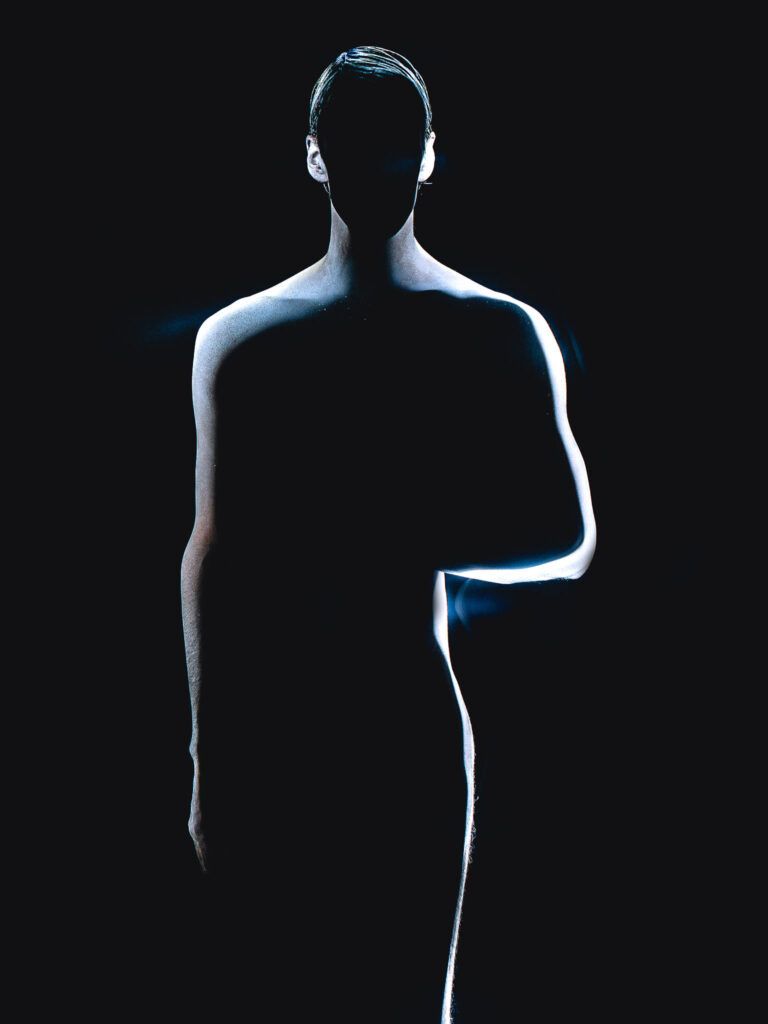
I try to reveal something deeper than superficial appearances – an energy, a poetic force, a glimpse of the soul. The bodies I photograph become channels for an inner truth, something passionate and luminous that emerges if you look with enough lucidity. 

I’ve been motivated by the sensitivity of those I photograph. I want to reveal in them a sense of divine presences, of contemporary heroes. Through these portraits, I attempt to touch something very personal, their inner strength.

You often explore the moments of absence as much as those of presence, where identity slips away or forms blur and vanish. What does “disappearance” mean to you artistically?

Disappearance is profoundly related to my world view because of my attraction for people much older than me, making me fear ending up alone with my love. This feeling of anticipated loneliness is everywhere in my work.

There’s a quiet violence in your images, almost as if they’re holding their breath. Do you think of your work as a reaction to the overstimulation of the digital age, or as a search for something sacred within it?

The tension you see comes from a real inner tension I’ve had to learn to channel. Creating helped me transform that unrest into something meaningful I could share. I don’t perceive it as violence – to me, it’s simply the raw truth of how I see the world. 

I remember as a child, my father took me to Rome, and I saw my first Caravaggio. The restrained violence within his work struck me immediately. It showed me that darkness could become beauty, and even transcendence.

You describe your subjects as “contemporary heroes”. Who are they, in your eyes? What do they represent in this fragile, high-speed era?

They’re often people around me – friends, dancers, those whose presence and movement inspire me. I admire how they inhabit their bodies, how they live and express themselves through art and gesture. They defend self-expression and marginalised identities. In an era of acceleration and disconnection with reality, they keep dreaming and creating. They are proud. They embody doubt and vulnerability but also freedom in a world that forces them to build an armor.

In your creative process, how important is the idea of metamorphosis? Do you begin with control or surrender to whatever emerges through light, texture, and exposure?

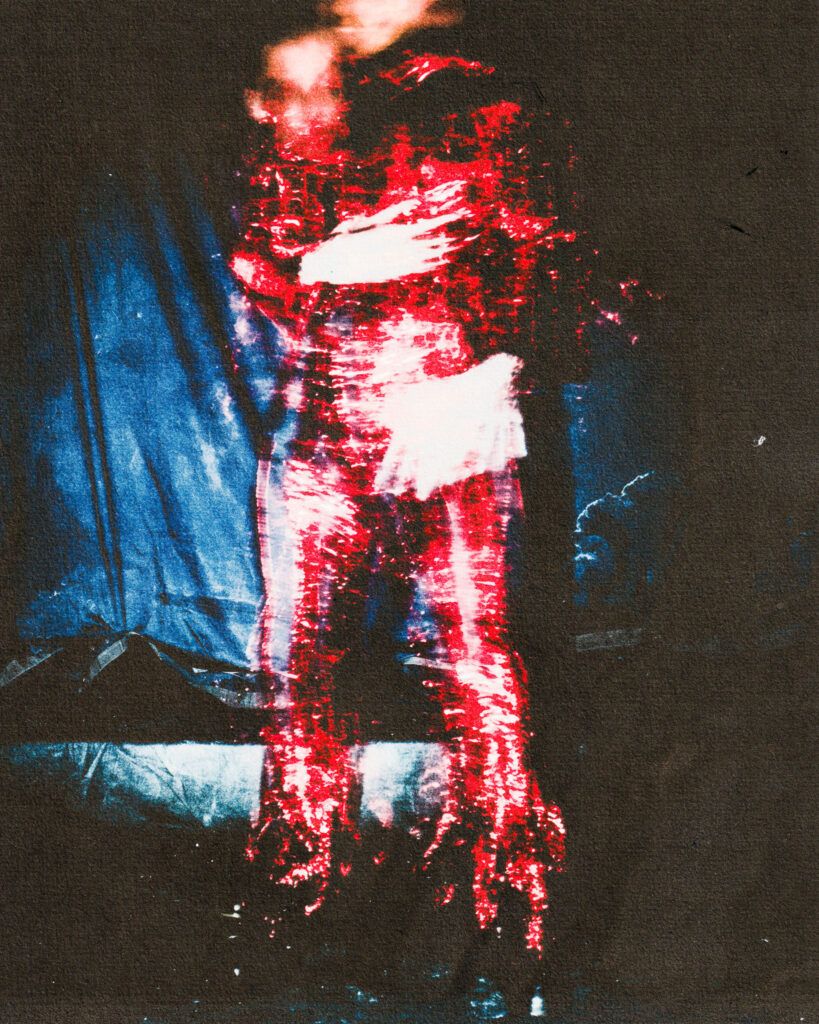
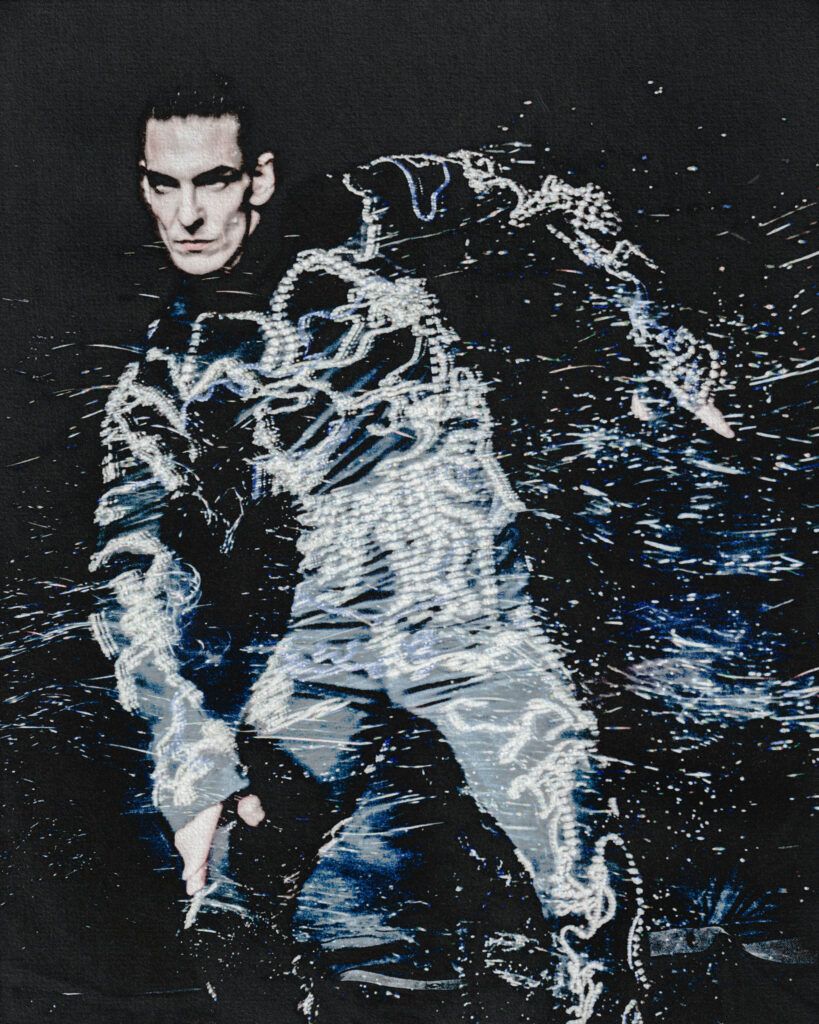
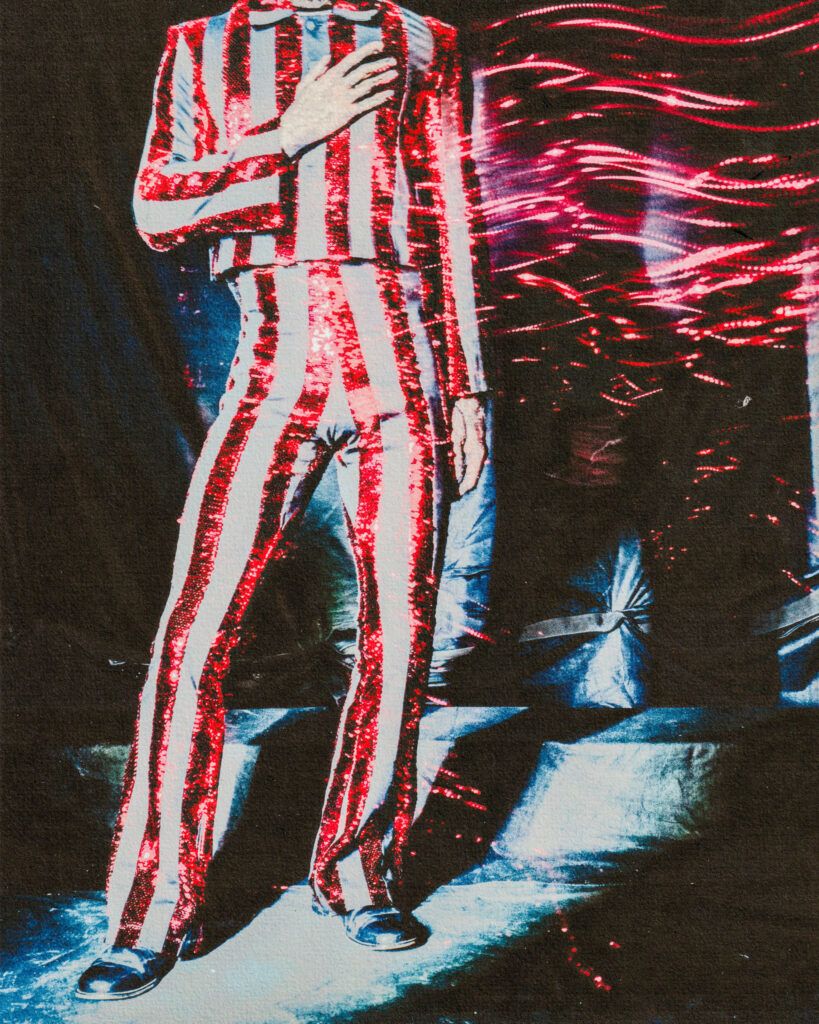
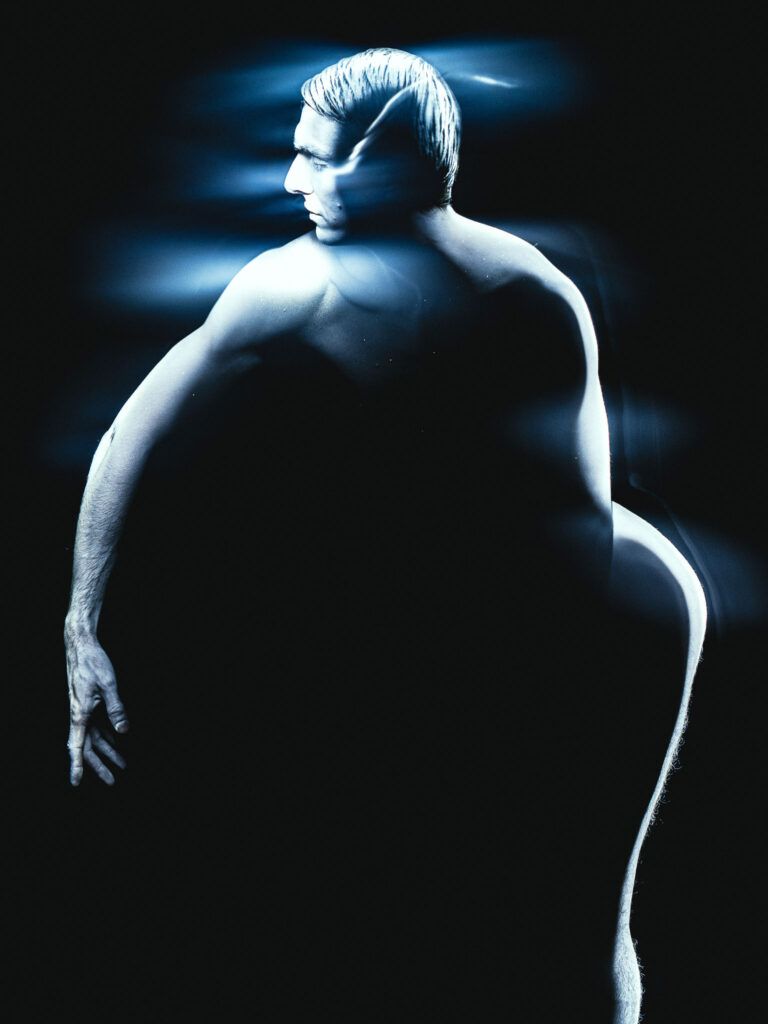
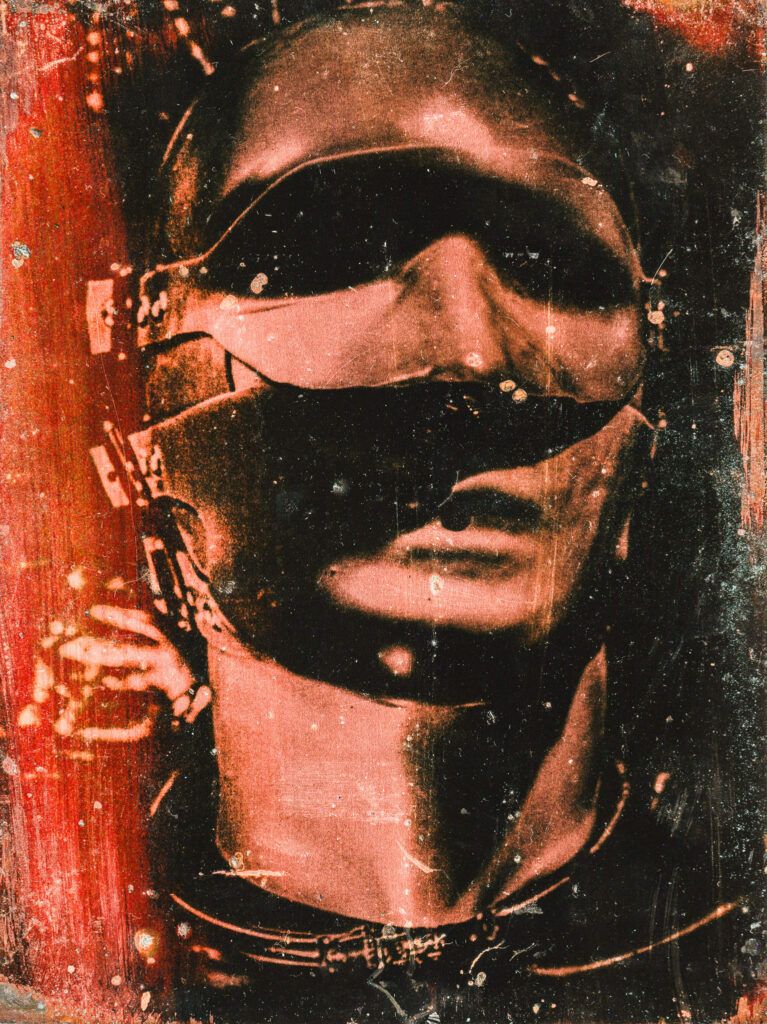
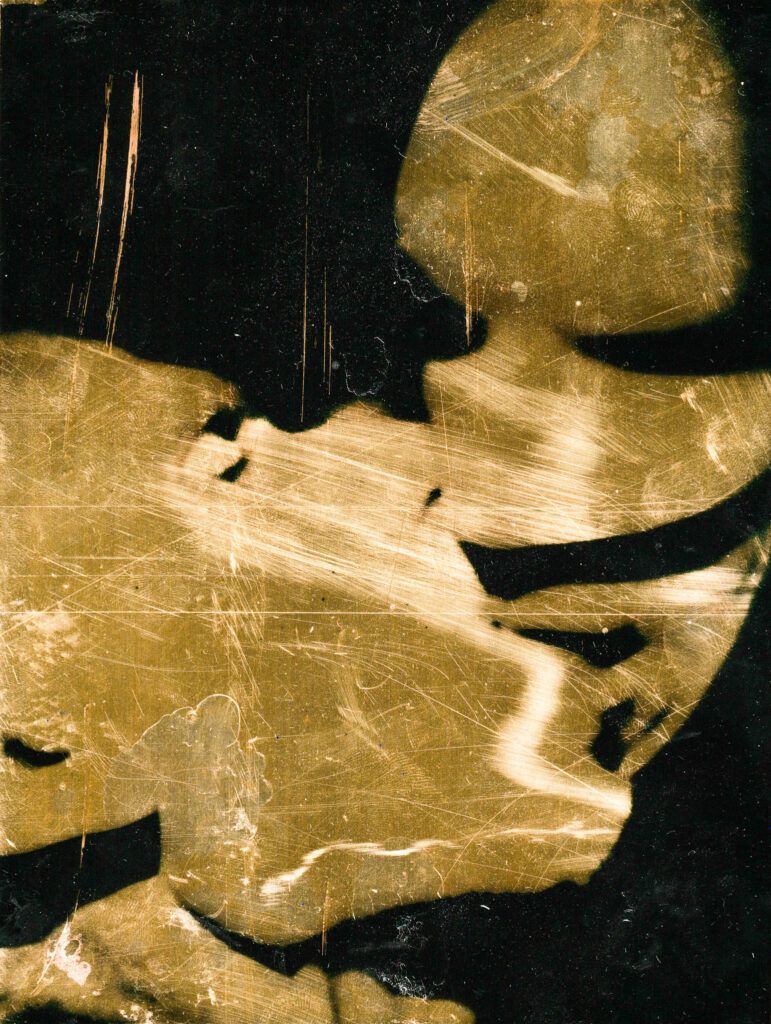
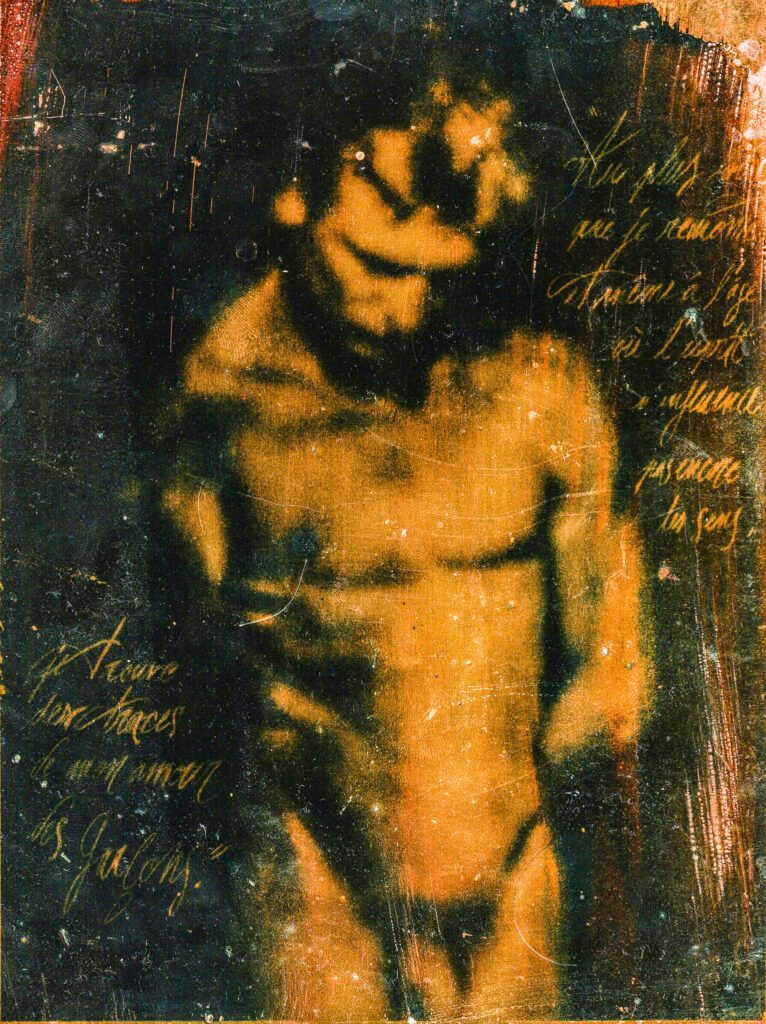
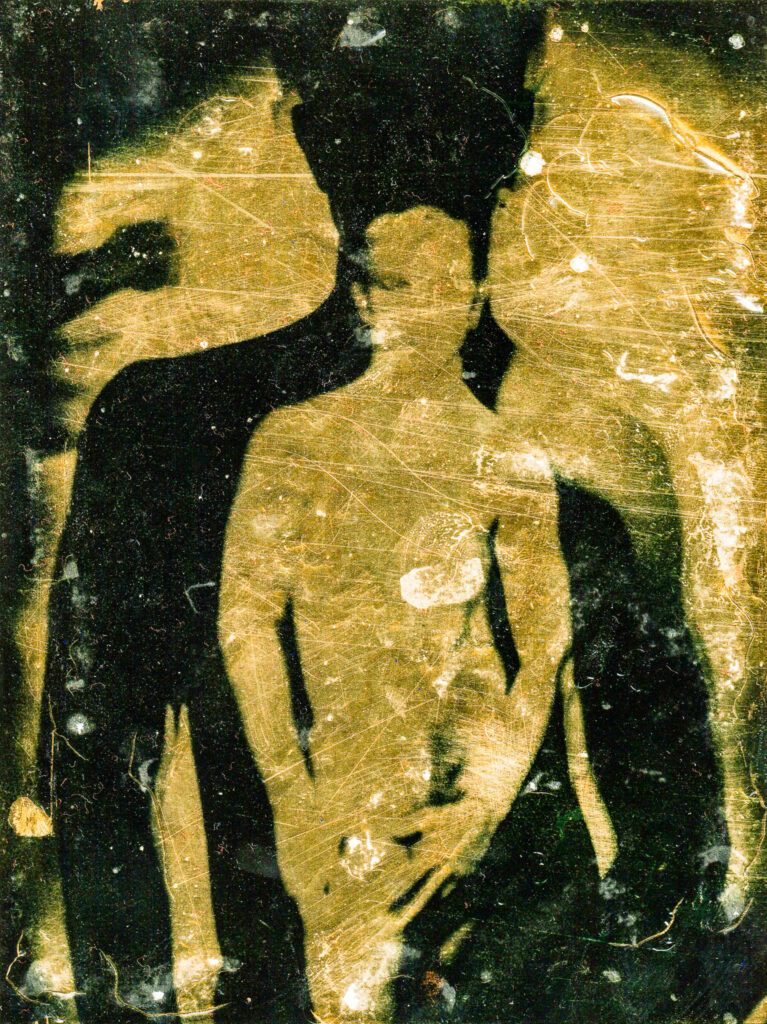
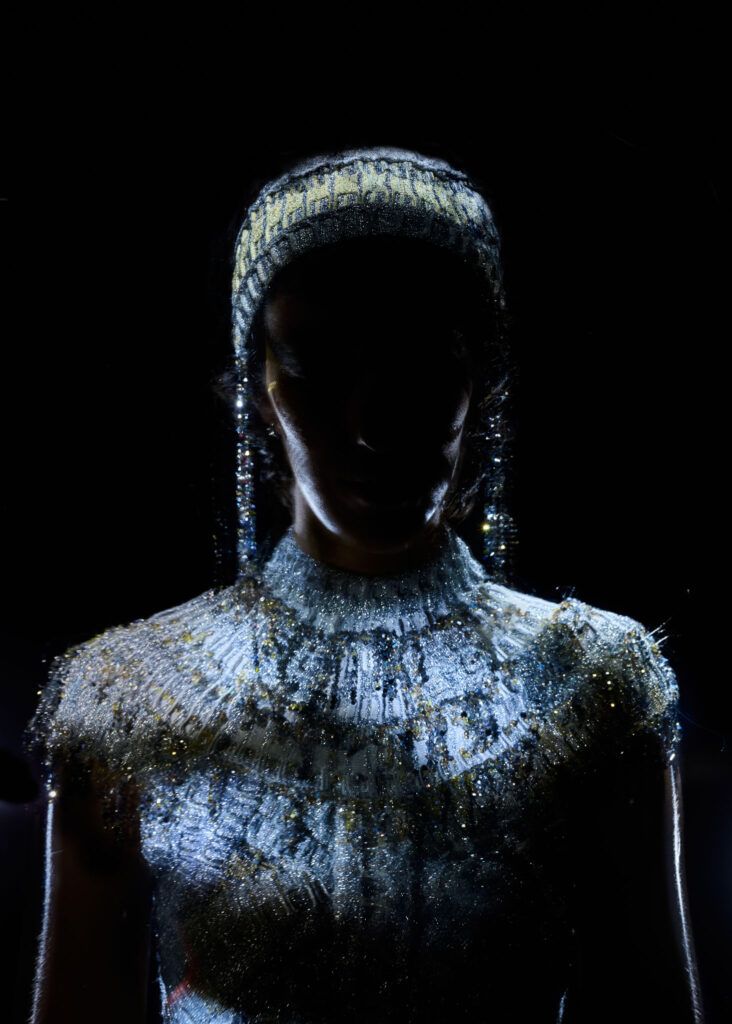
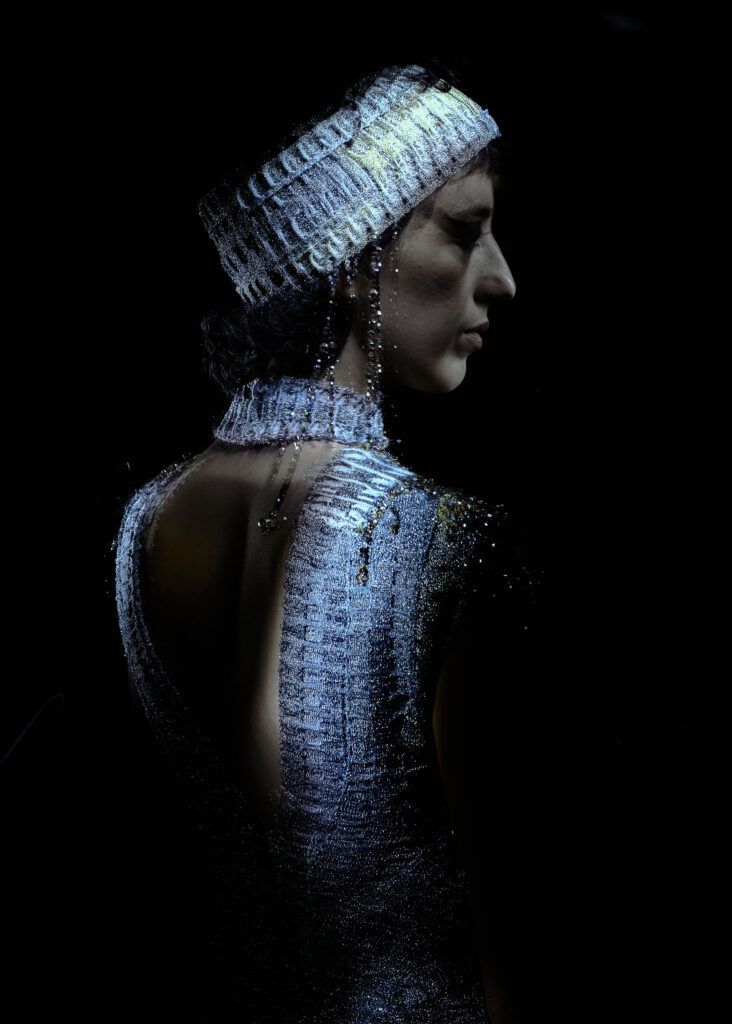
From the beginning, ephemerality and transformation naturally emerged in my practice. I was frustrated by stillness. I wanted motion, life. Blurring became a way to reach something closer to truth. Over time, metamorphosis became central, not just visually but physically. With Justin Matringe, we experimented with prints on metal supports like brass, copper, and steel that oxidize over time.

I seek to establish a connection between the medium of my prints and the bodies I photograph. This is why I chose steel, a material that evolves over time. Each print oxidizes, scratches, and becomes marked. I document these transformations by photographing them at different stages. These images demonstrate how the material changes, like the bodies they represent.

This work is a reflection on time, alteration, and natural evolution. It allows me to distance myself from a certain melancholy by sublimating it into a concrete form. These images speak of desire and passion, of what marks, transforms, and leaves a trace.

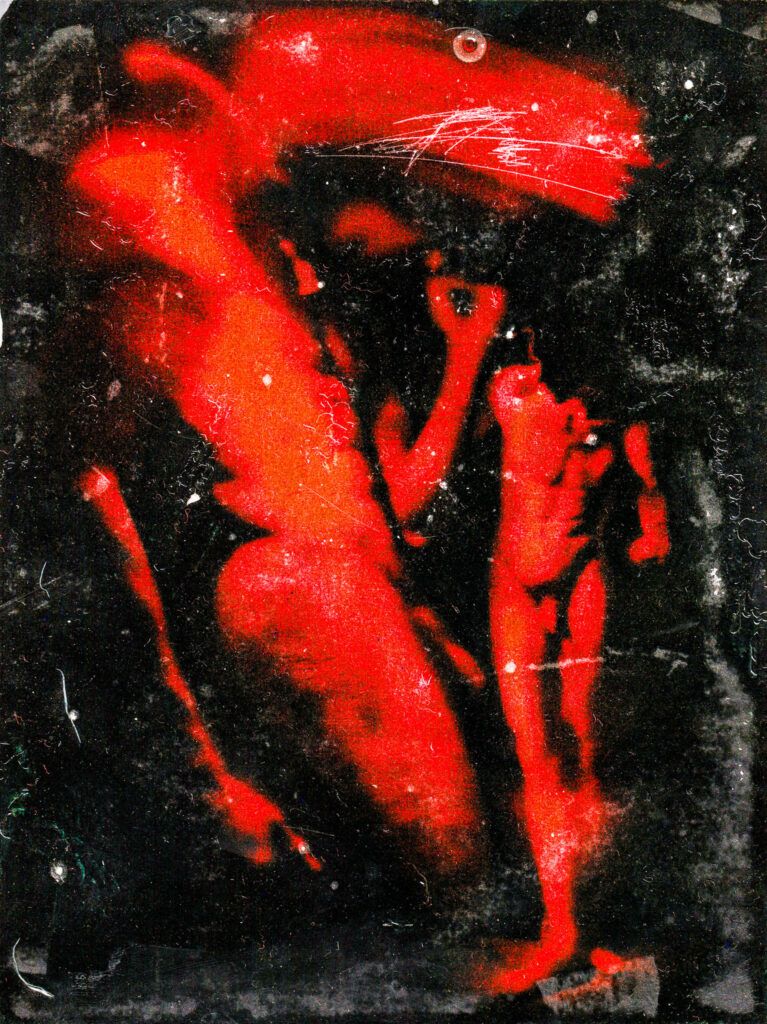
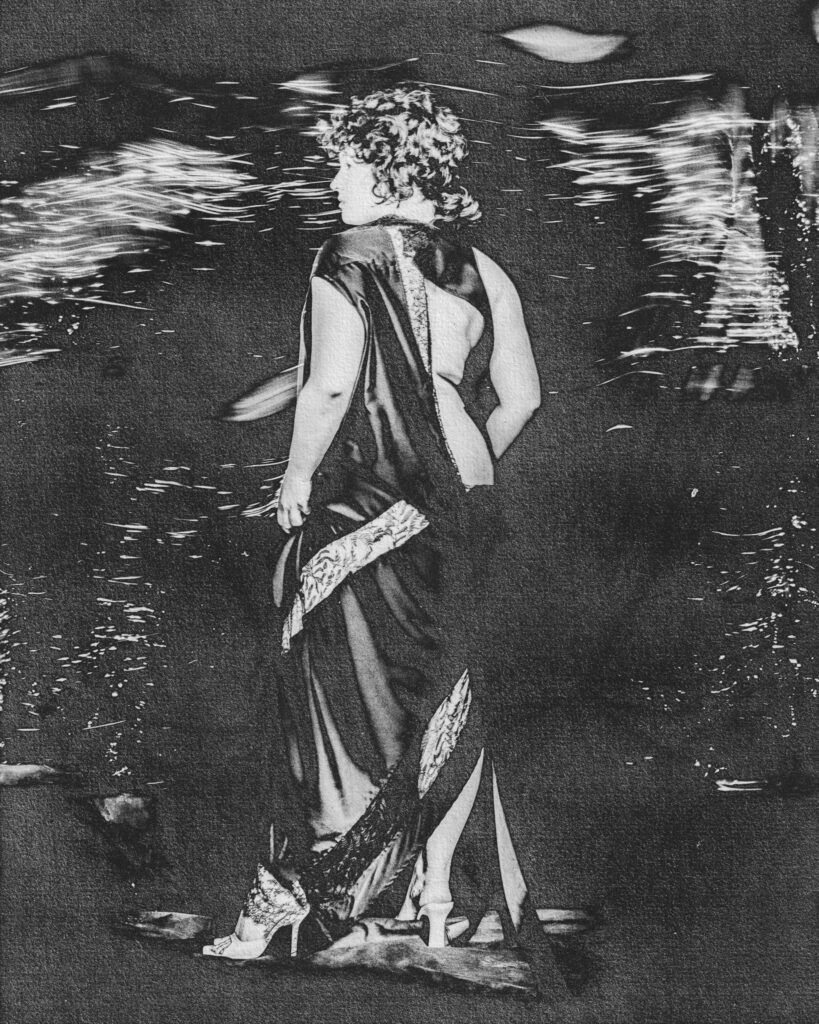
I also deliberately leave room for chance. Though my images are carefully constructed, with references and sketches, I use long exposure and printing techniques that allow accidents to leave their trace. It keeps the work alive, open, and organic.

Eroticism, ambiguity, and raw vulnerability pulse through your portraits. How do you navigate intimacy without voyeurism?

I approach this work like a filmmaker. I’m telling a story. It’s built through dialogue and trust with the person I photograph. The intimacy is never stolen; it’s shared. I deliberately place the viewer in front of that intensity – all this nudity, and emotional tension – not to exploit it, but to confront them with their own gaze. It’s a provocation.

Could you talk about your relationship with time, both in the technical sense (exposure, layering) and in the emotional sense (nostalgia, memory, lingering)?

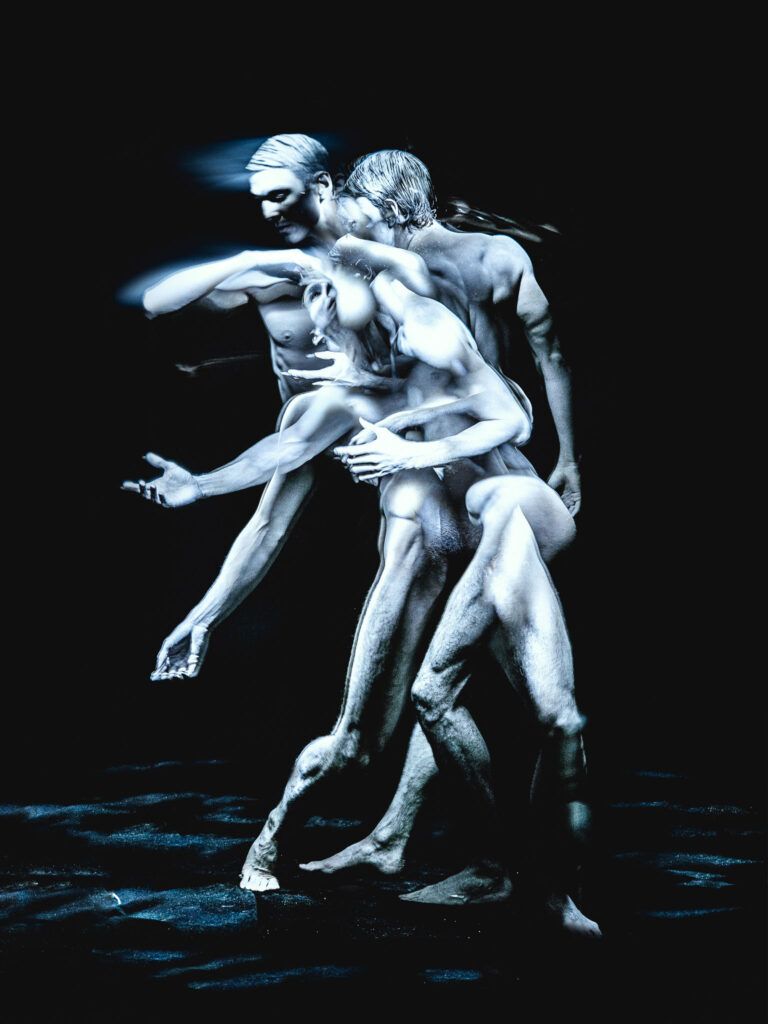
Photography allows me to collapse different layers of time. I started layering images when I was longing for someone I couldn’t reach. I began creating scenes where I could meet him through long exposure. I duplicated my body to invent his presence, without any montage. These photographs helped me process frustration and absence.

They’re saturated with nostalgia, charged with memory… attempts to hold onto fleeting moments.

You merge graphic design, photography, and illustration into a kind of hybrid sensibility. How do you see these disciplines feeding into each other in your work?

Calligraphy and painting allow me to expand the world captured by photography. They give my images a symbolic depth, an extra layer of interpretation. The picture becomes a kind of garment for how I see reality – dreamy, fluid and transformed. This mix of disciplines let me shape a universe that feels faithful to how I experience the world as a dreamer.

You merge graphic design, photography, and illustration into a kind of hybrid sensibility. How do you see these disciplines feeding into each other in your work?

Calligraphy and painting allow me to expand the world captured by photography. They give my images a symbolic depth, an extra layer of interpretation. The picture becomes a kind of garment for how I see reality – dreamy, fluid and transformed. This mix of disciplines let me shape a universe that feels faithful to how I experience the world as a dreamer.

Did you like it?
Share it with your friends

Bio

Camille Leprince is a poet of metamorphosis who, instead of words, chose photography – essentially the writing of light – to speak only of shadow. His work is shot through with emotions that, in their calming, give rise to a new poetry.

Camille Leprince invites us to witness his most intimate passions. He possesses the politeness of irreverence and the fury of silence. He explores the body as an object traversed by forces and intensities, translating the violence of raw sensations. His body of work is a haunting choreography of bodies, dancing and dancing again, beneath the brightness of lightning.
Credits

Artist / Camille Leprince @camilleleprince_

https://camilleleprince.fr/

Interview / Markéta Kosinová

PHOTO SERIES ADDITIONAL CREDITS

Nikki Kahr

@nikki_kahr ‘s @ifmknitwearma @ifmparis blow up project
Model: @alexis_leila
Make up: @elcas.mua

Assistant: @ellis.roscoe @paulcapdenat

Étoiles

Arturo Obegero @arturoobegero

Photography and art direction: @camilleleprince_
Stylist: Hector J. Guzman @_h_j_g_ Make-up artist Zoé Jeandel @zozor- naa

Hair stylist: Vincent Zimberlin @ vincentzimberlin
Models: Clara Éon @claraeon2 Thi- bault Lac @thibaultxlac

Special thanks, Hugo Palayer @hugo- ladetente @studiozeroparis

Le chevalier bleu

Modèle: Thibault Lac @thibaultxlac Make up artist Zoé Jeandel @zozornaa

Maître & Dance and dance again

Modèles : @hades_bond @fetishvers_75
Oxydation and print: Justin Matringe (@persoblanco)

You may also like

Ema Prosová's work doesn't announce itself loudly. Her drawings and paintings on silk operate in a register that's contemplative, layered, almost whispered: figures emerging from lychee fruits, hospital rooms floating in eerie space, architectural fragments mingling with natural forms. The work comes from years spent moving between cultures and techniques, learning lacquer painting in Vietnam, silk painting in Indonesia, living in Tokyo, and now finishing her degree at the Academy of Fine Arts in Prague.
Polish choreographer Iza Szostak’s circus is a philosophical system, a choreography of risk, precarity, and collective survival mirroring the contemporary condition. Discover today how her new performance Trapeze, premiering at Studio Hrdinů in Prague, turns the trapeze bar into a narrator, and the clown into an energy valve for a world on the brink of collapse.
“It is a story about a long night, about everything that disappears during the day and only comes out after dusk.” Polish fashion designer Pat Guzik breathes new life into her garments by collaborating with visual artists, such as Aleksandra Waliszewska and Zbiok Czajkowski, whose dreamy and tongue-in-cheek works adorn the skirts, sweatshirts, jackets, and other ready-to-wear pieces by the designer.
French painter and illustrator Sébastien Pastor navigates between naïve figuration and abstract expressionism, building visual worlds where bold color palettes pulse with rhythm and absurdity. Discover how his colorblindness became a creative signature and how he leaves room for the enigmatic in his works.