ABS 4 GRABS

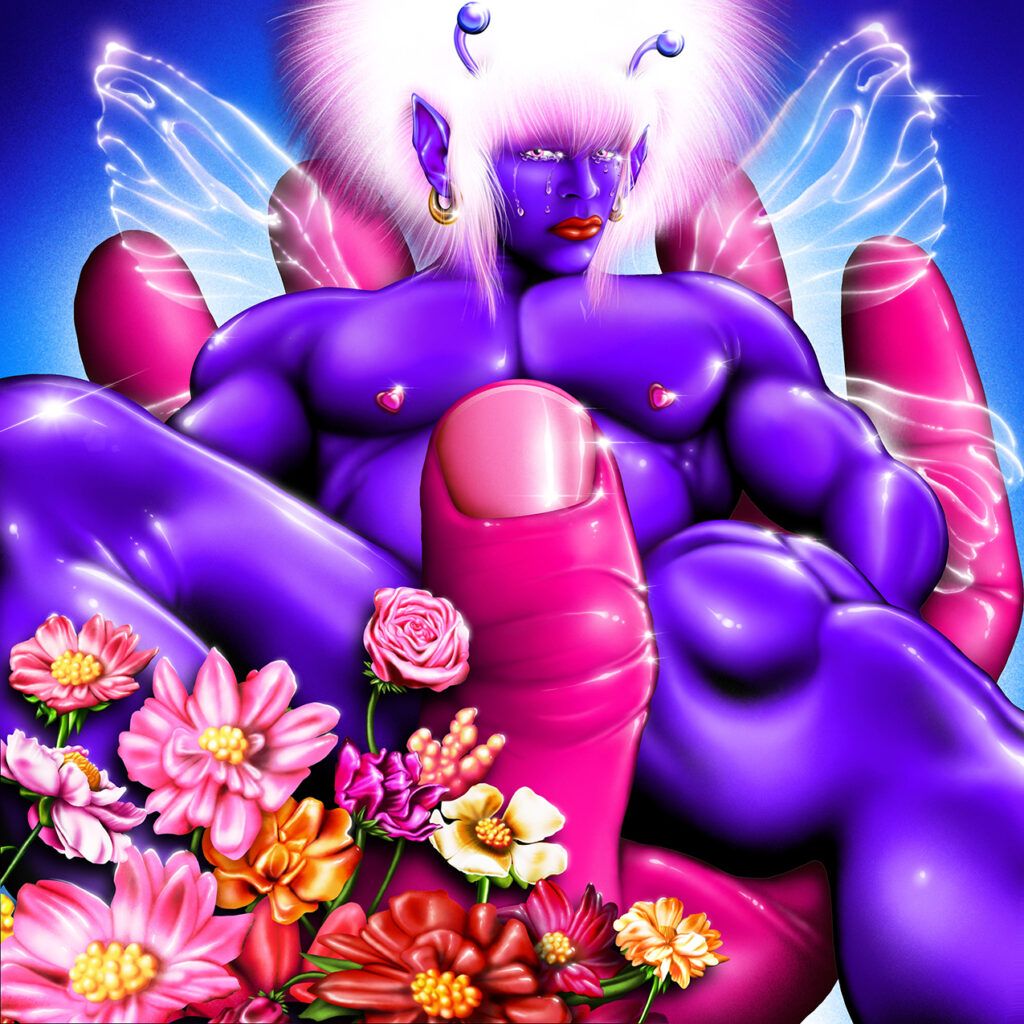
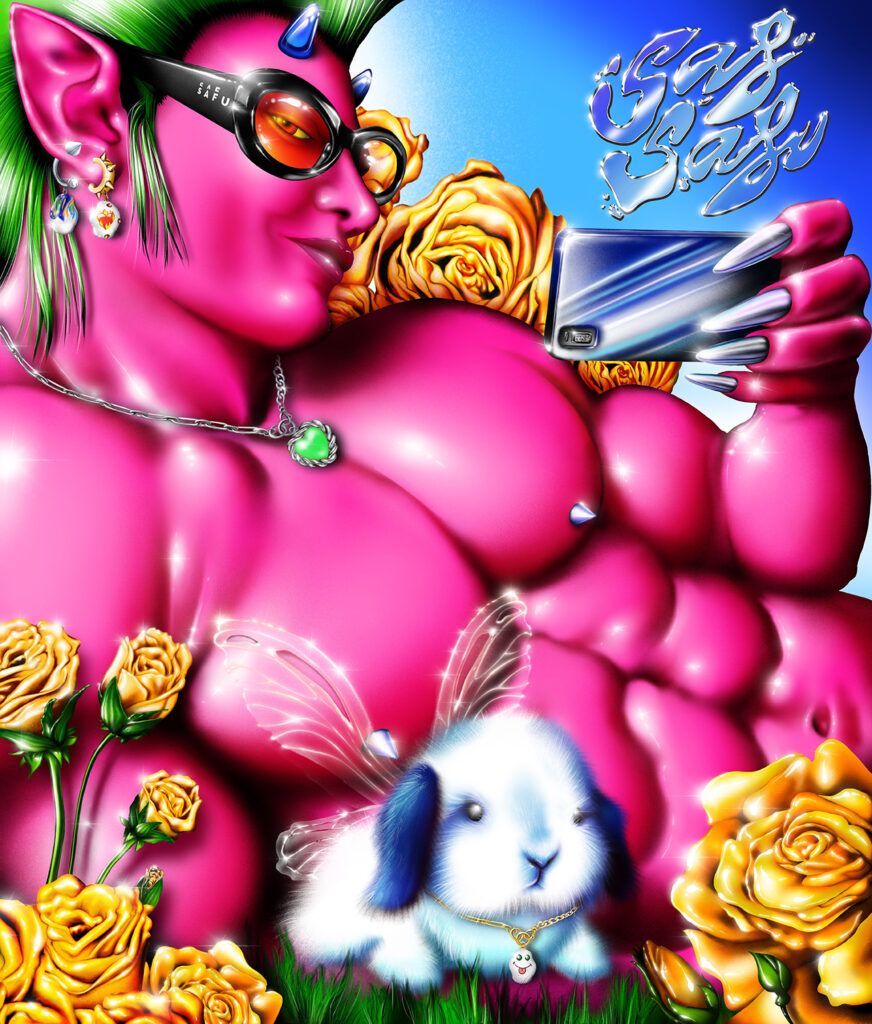
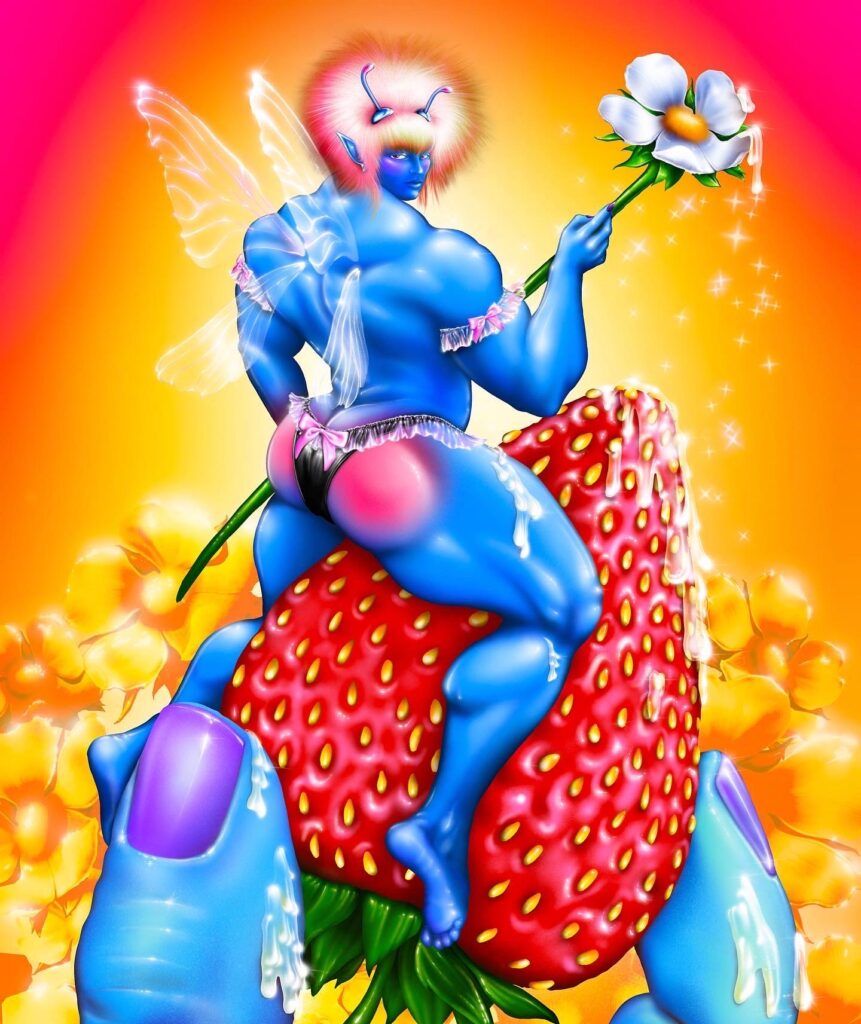
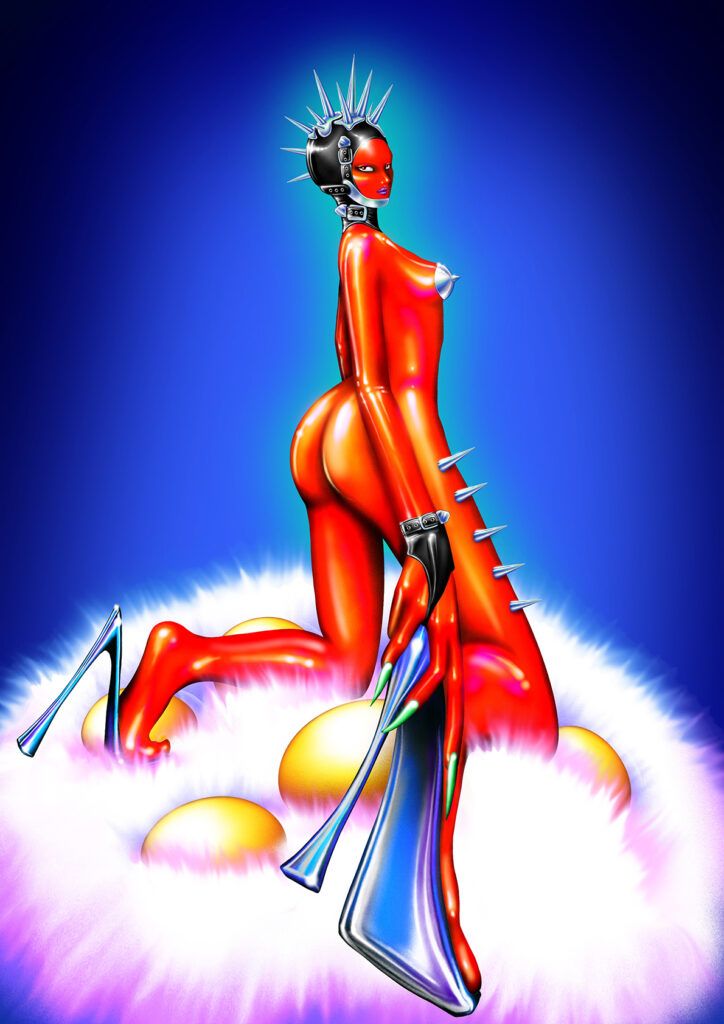
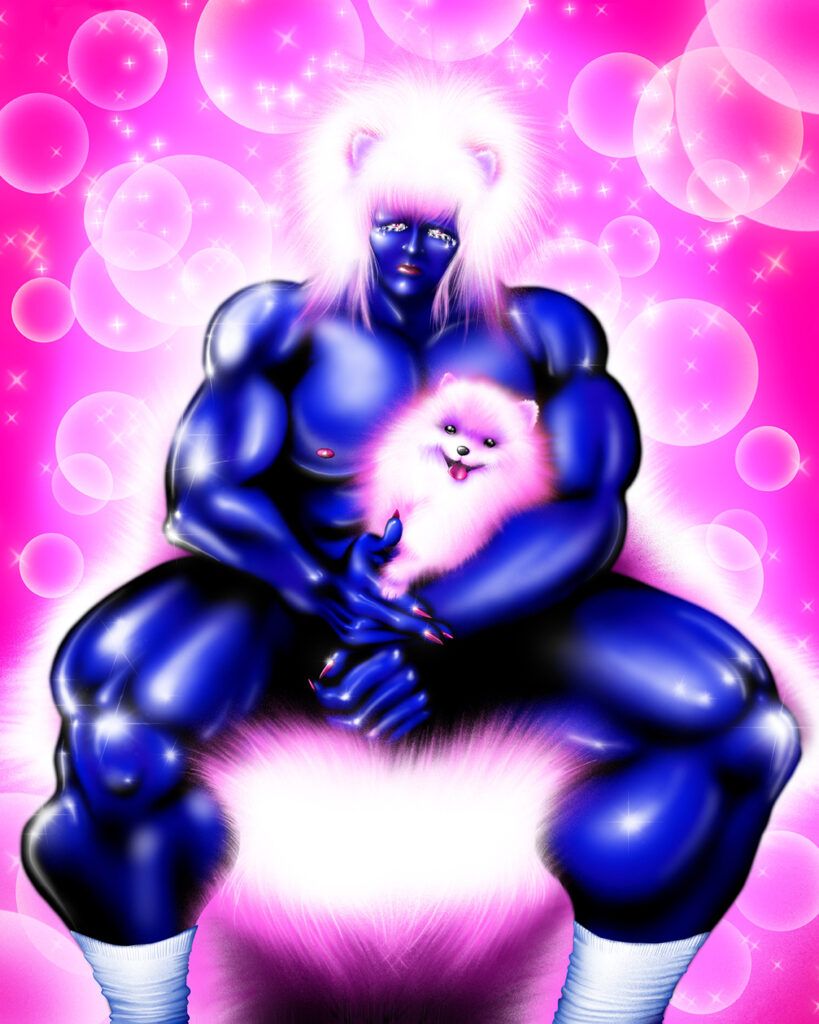
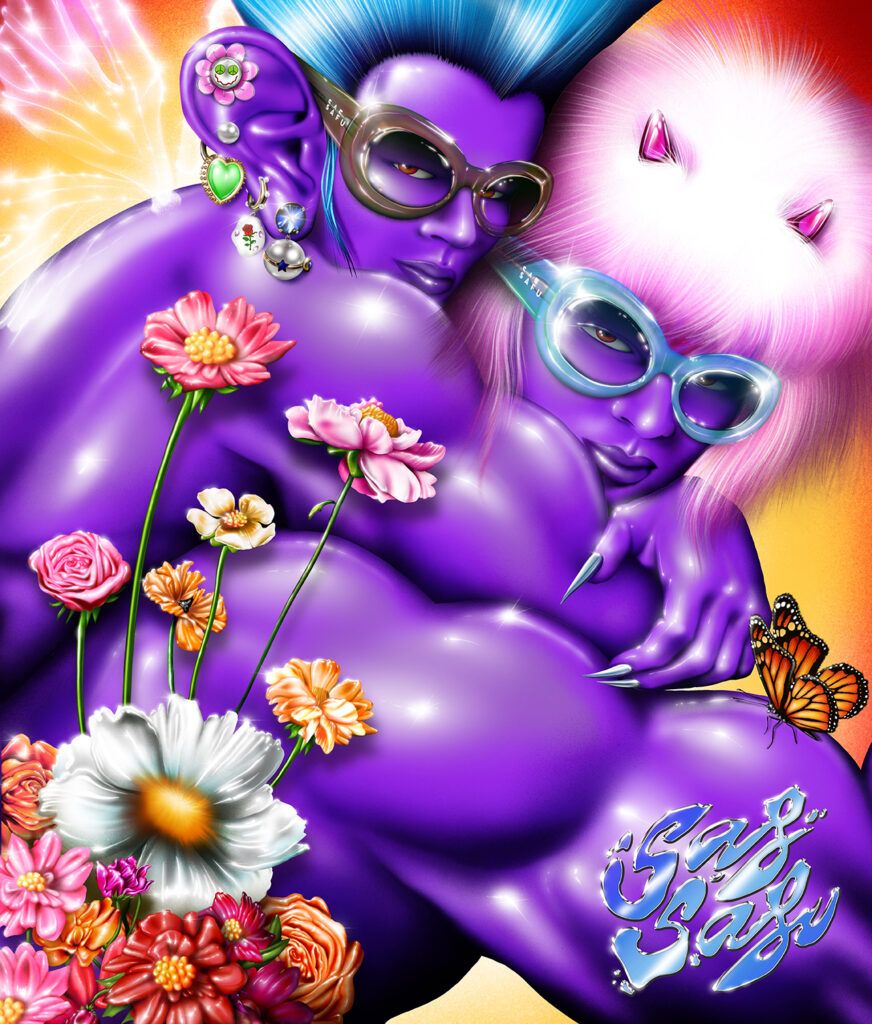
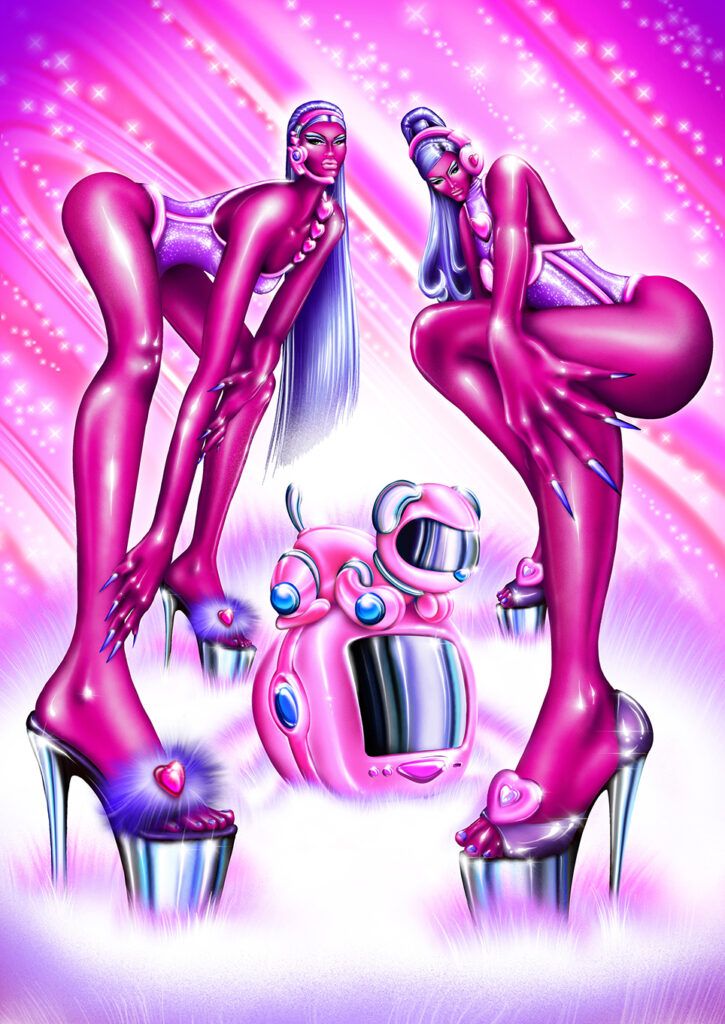
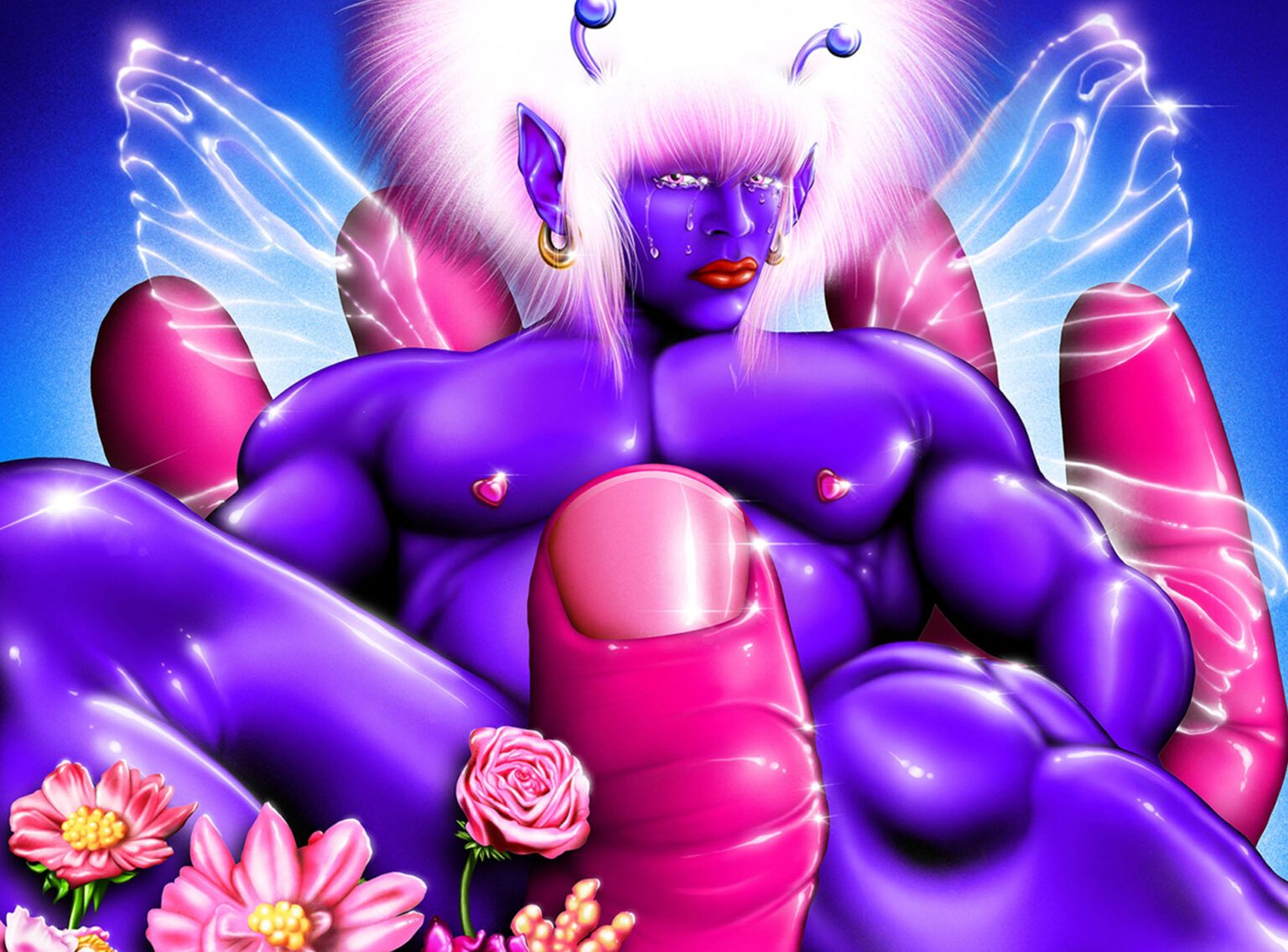
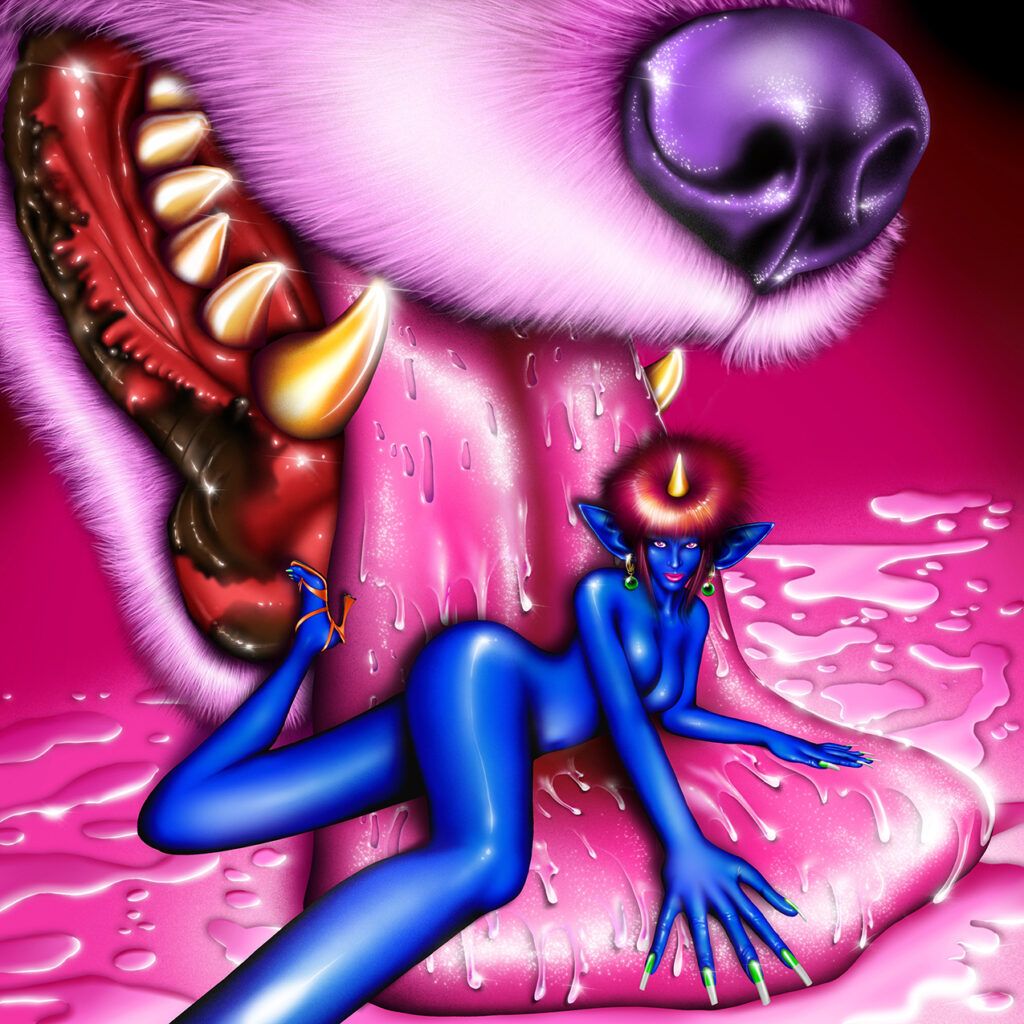
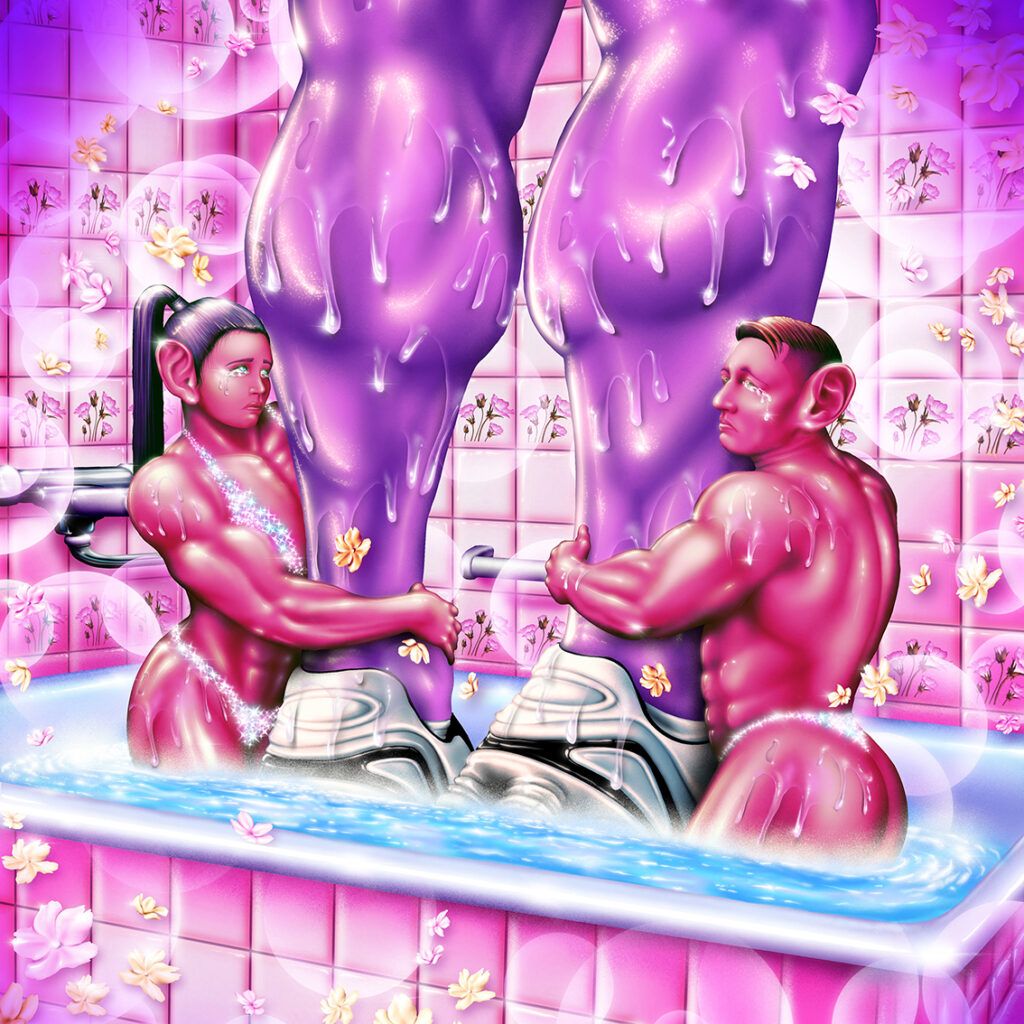
Guille Carmona’s artworks transport to a dreamscape of sculpted, wet bodies waiting to be touched. The artist’s digital style is reminiscent of airbrushed paintings and draws on inspirations ranging from bodybuilding magazines to Japanese mythology in exploring the various flavors of contemporary queer masculinity. Read today’s interview to find out about Guille’s inspirations and what gets his creative juices going.

How would you describe the process of creating your artworks? You use a quite bright colour palette, is there any hidden meaning behind it?

It really varies, but I generally start with a vague idea that I want to work on and I keep adding things to the mix and polishing the concept while I am working; sometimes it is a very clear vision that I have from the beginning. I guess the colour palette is something to detract realism in what I want to show in my illustrations. I love contrast and bright colours, but it might be something transitional or a phase, who knows.

The characters in your work look like they’re from a twisted fairytale realm. Are there any real people behind these characters or are they completely from your imagination?

Behind my characters there is always the essence of someone I know or I have met before, someone I bumped into at the gym or in the street, or attitudes or expressions of feelings or random people that made an impact on me.

Our current theme is “Full of Desire”. So I’d like to ask you what your dream goal is, or what do you desire for yourself as an artist right now and what would be the ultimate success you would like to achieve?

My only dream goal is to keep learning and having fun, to team up with interesting people and get into artistic challenges while staying present and understanding that this is all just for fun.

One of your central motifs seems to be carnality and sexual fantasy combined with surrealist imagination. Can you tell us more about the themes you depict?

The best way to describe what I do is faggy, dreamy and on steroids.

Which artists inspire you and who do you like from the current generation of emerging artists? Who is worth following?

I would recommend the art of contemporary artists like Tyler Cala, Lorena Prain, Elizabeth Glaessner, Andrea Chiampo, Oleg Vdovenko and Dian Liang.

Finally, are you currently preparing any new exhibition or project we can look forward to?

Yes! I am always preparing new things, but I don’t want to jinx them… Stay tuned!

Did you like it?
Share it with your friends

Bio

Guille Carmona is a Spanish artist, illustrator, and designer based in London. Working primarily in digital media, his work is interested in exploring themes of kitsch, the porous nature of gender, sexuality, and alternative realities. He started working in digital illustration right before lockdown as an extension of his commercial design and painting practice. He’s inspired by a wide range of interests, including the 80s airbrushed illustration, the undercurrent of fragile masculinity in bodybuilding magazines, and Japanese mythology.

His work has been featured in Buffalo Magazine, as a collaboration with Paula Canovas del Vas and Maxfield LA, and on a variety of album covers.
Credits

Artwork / Guille Carmona @guiiiilleeee

Interview / Markéta Kosinová

You may also like

“It is a story about a long night, about everything that disappears during the day and only comes out after dusk.” Polish fashion designer Pat Guzik breathes new life into her garments by collaborating with visual artists, such as Aleksandra Waliszewska and Zbiok Czajkowski, whose dreamy and tongue-in-cheek works adorn the skirts, sweatshirts, jackets, and other ready-to-wear pieces by the designer.
French painter and illustrator Sébastien Pastor navigates between naïve figuration and abstract expressionism, building visual worlds where bold color palettes pulse with rhythm and absurdity. Discover how his colorblindness became a creative signature and how he leaves room for the enigmatic in his works.
Spanish illustrator Laura Mestre transforms emotional overflow into tender visual poetry, using symbols of water, flowers, and cracks to map the quiet beauty hidden within difficult experiences. Discover how metamorphosis, instinct, and a fanzine called "Hay que volver" helped her reclaim drawing as both refuge and release.
Czech painter Lukáš Šmejkal traces the unstable boundary between body and terrain, composing lyrical visual assemblages where electric pylons become threads and human figures dissolve into the landscapes they inhabit. Discover how photography, movement, and Baroque verticality shape his meditations on perception in today's interview.