GLIMMERS OF THE FAMILIAR

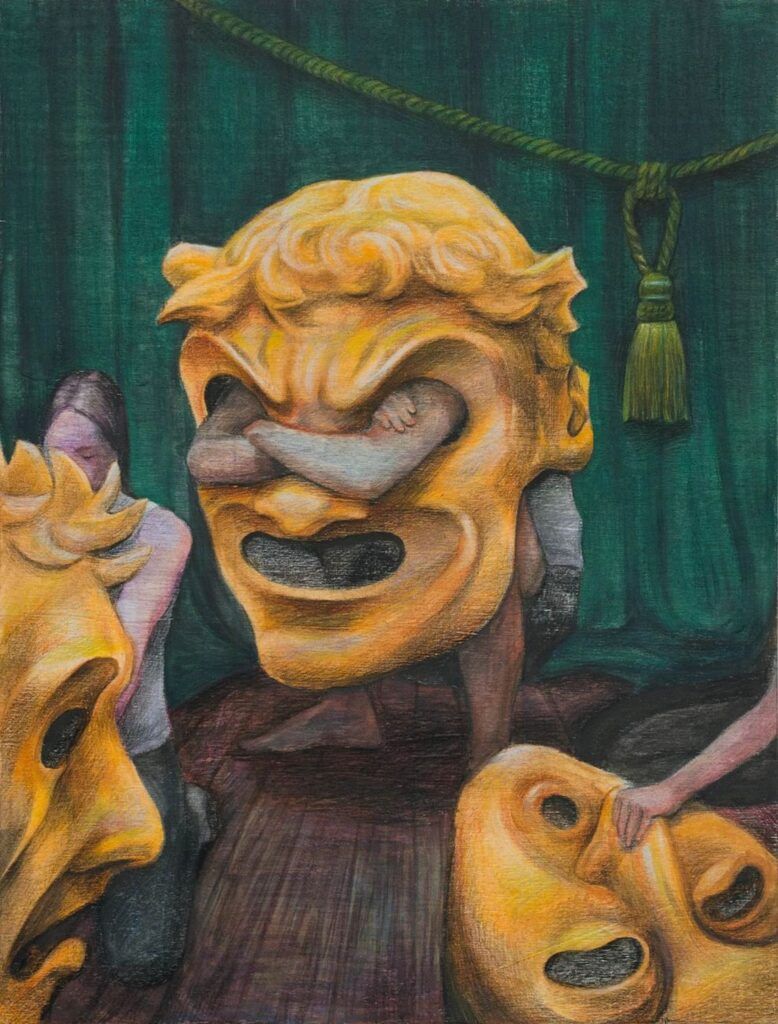
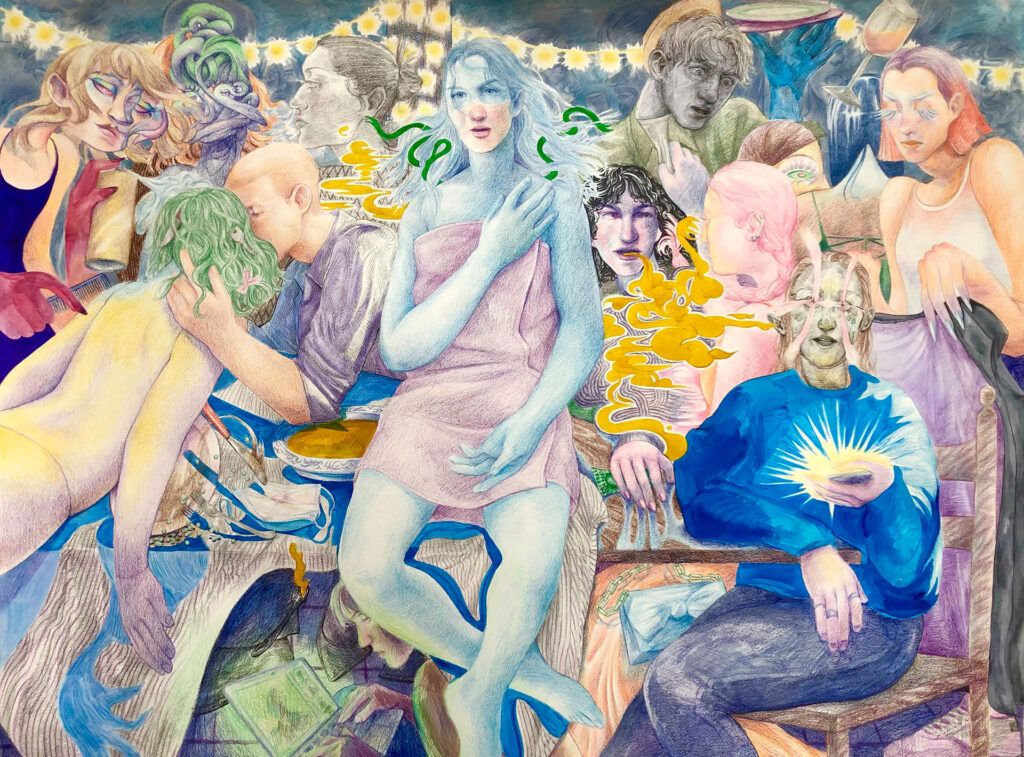
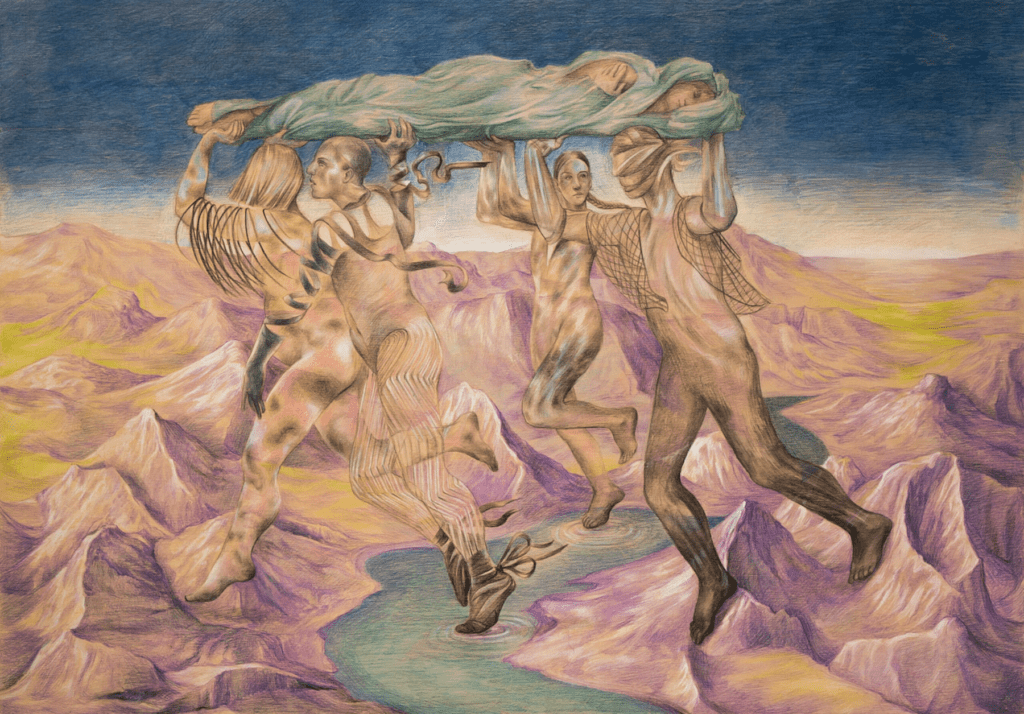
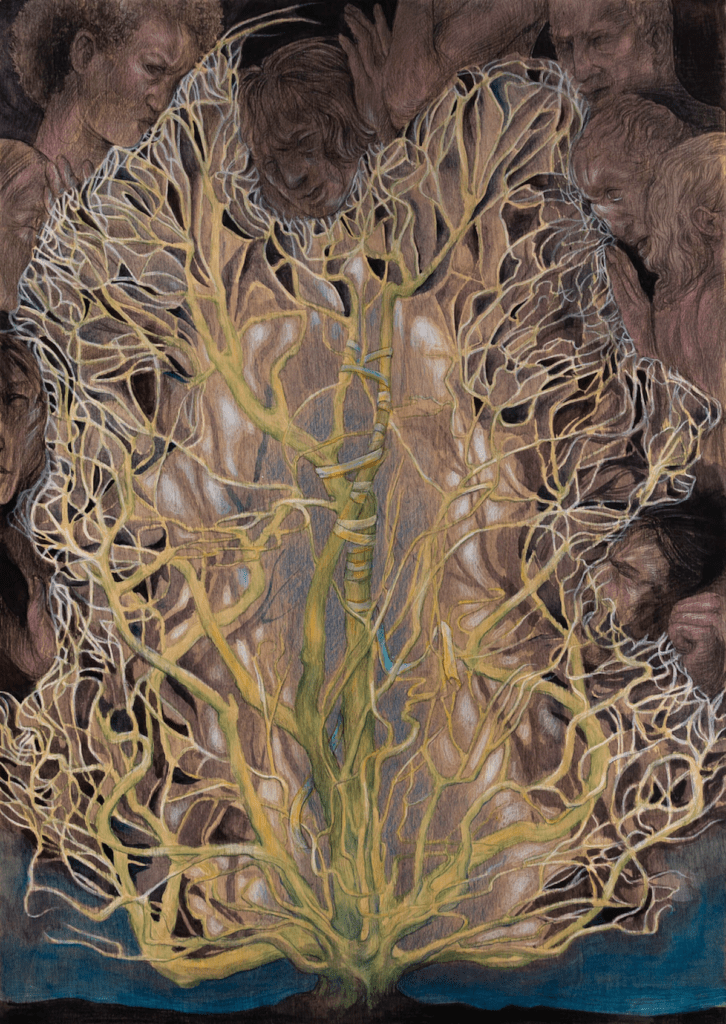
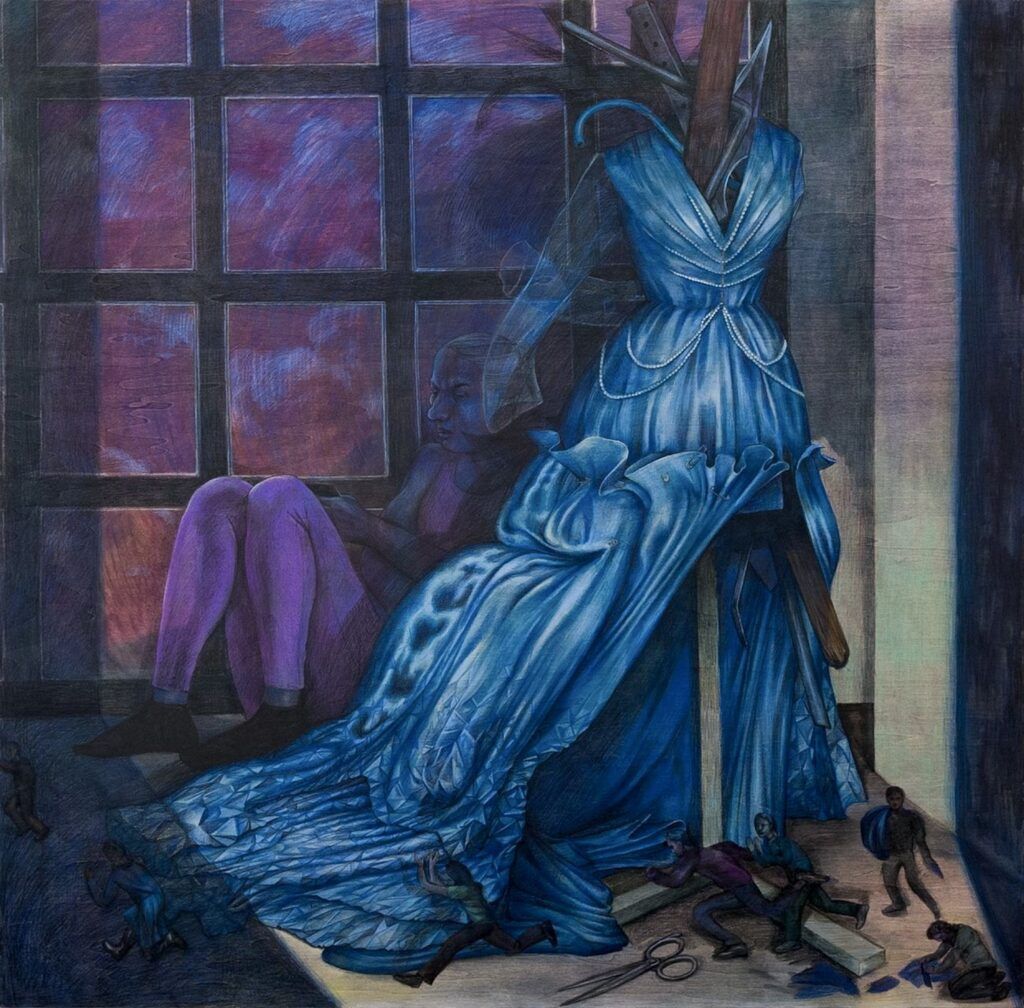
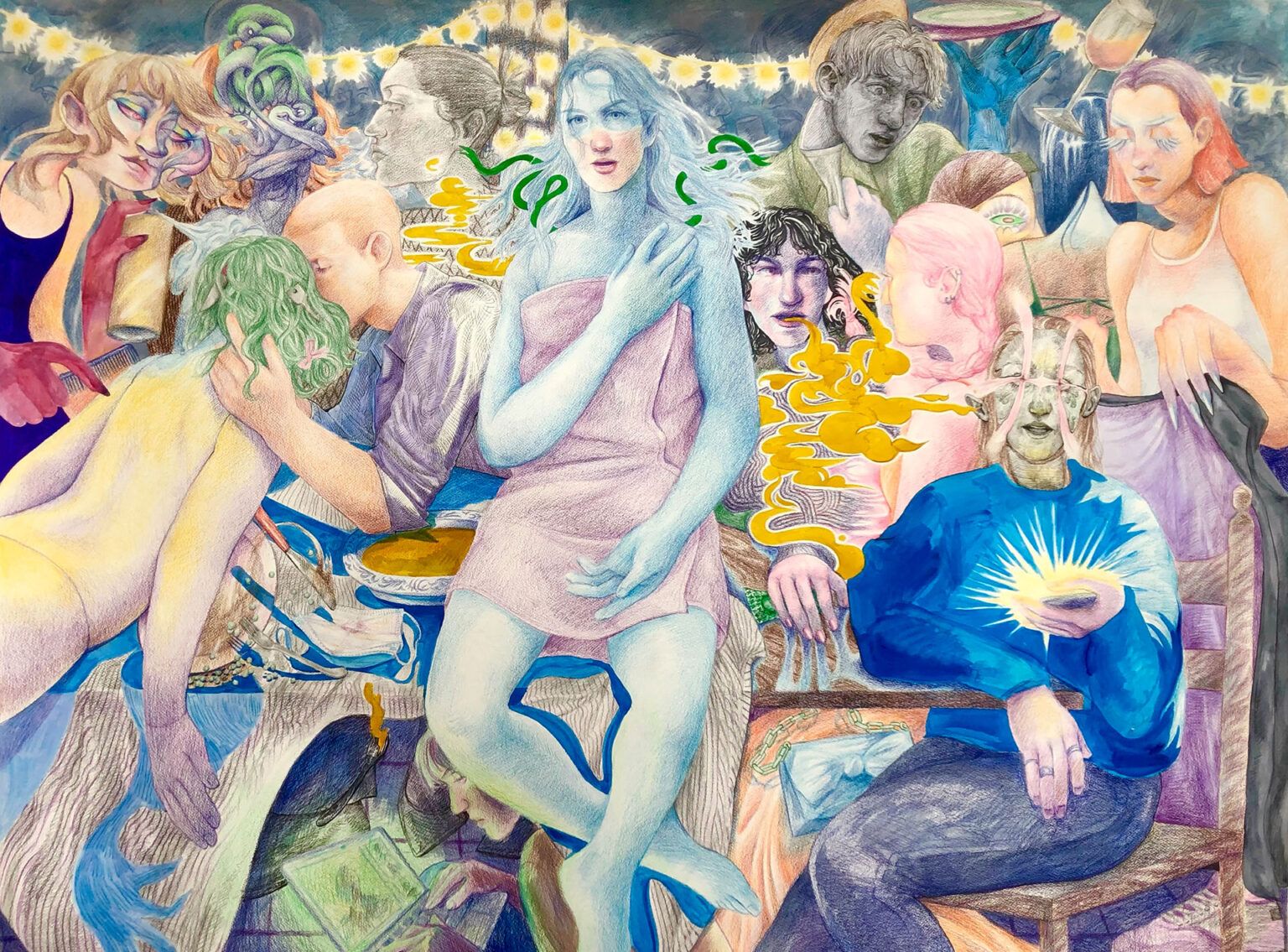
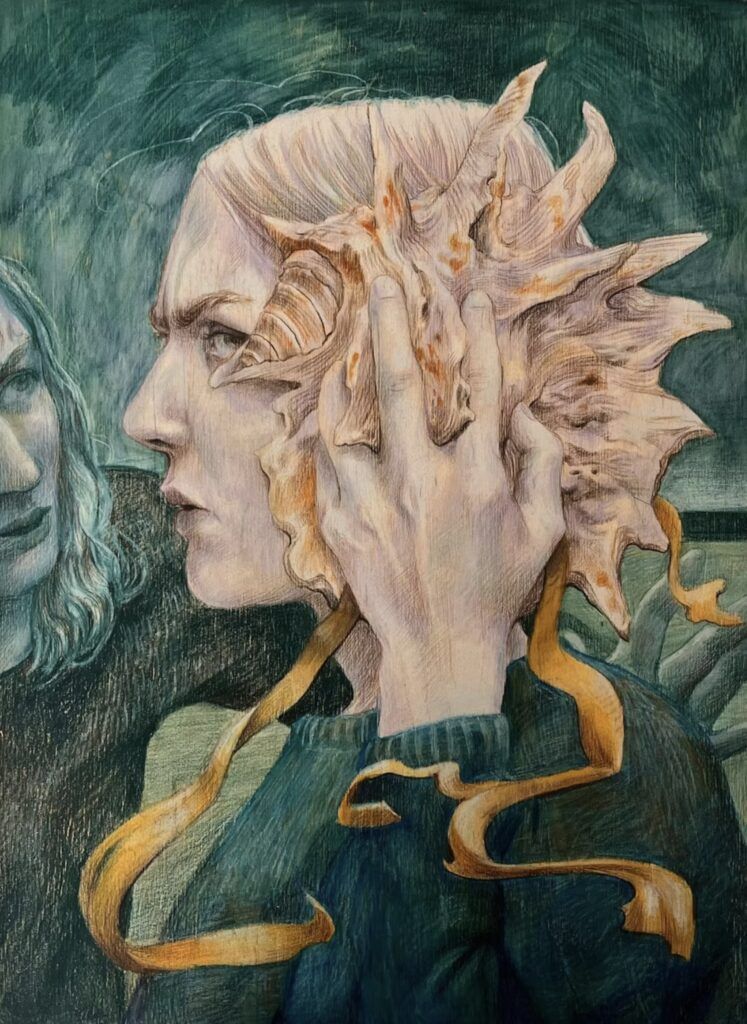
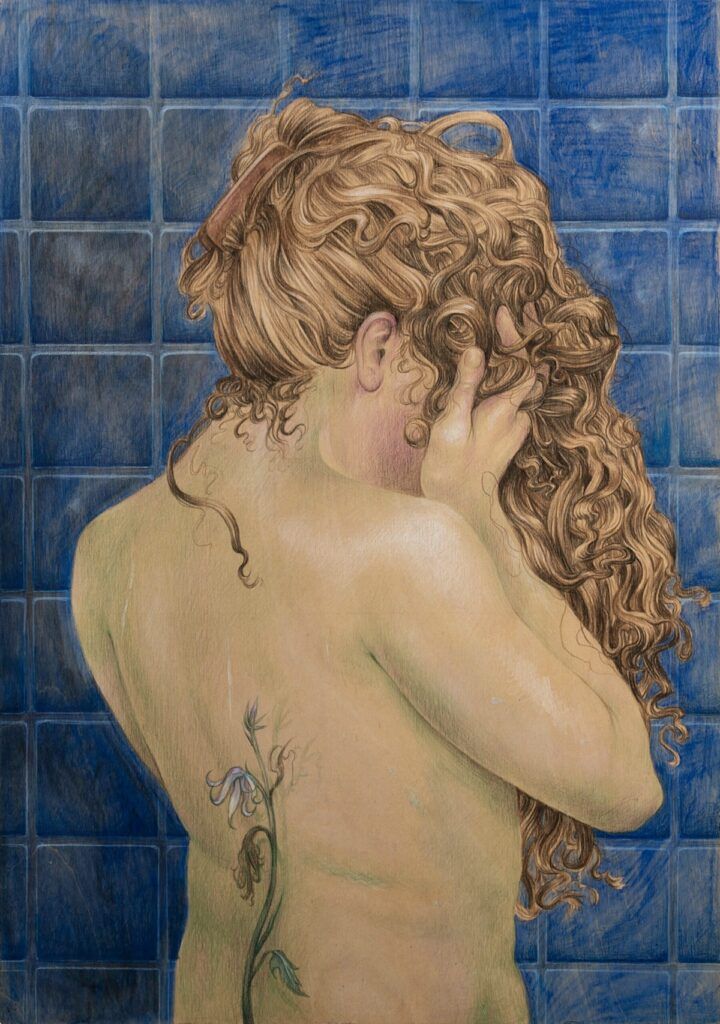
Louise Reynolds transforms media overload into intimate drawings on wood, creating stillness in today’s chaotic information landscape, combining anxiety and tragedy with humor and triviality into her very own take on magical realism. Read today’s interview to learn about Louise’s artworks, and how the balance she crafts comes into being.

Your work emerges from reading the news, filtering prevailing narratives into a vision of a dystopian present and future. How do you translate these overwhelming streams of information into visual art?

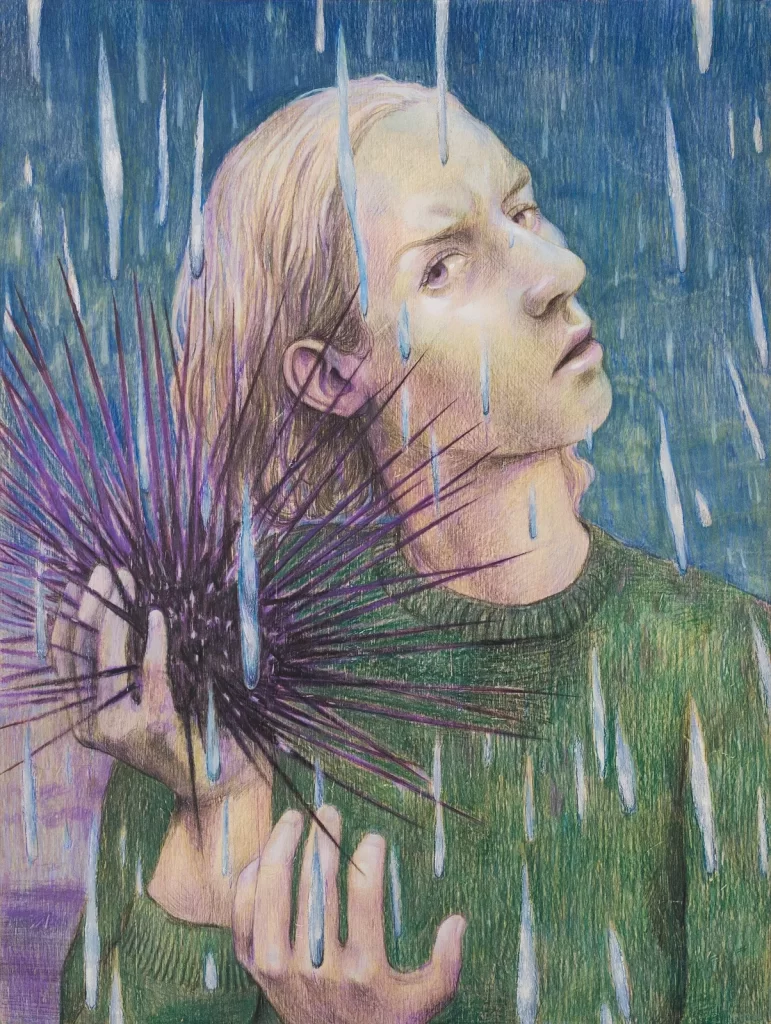
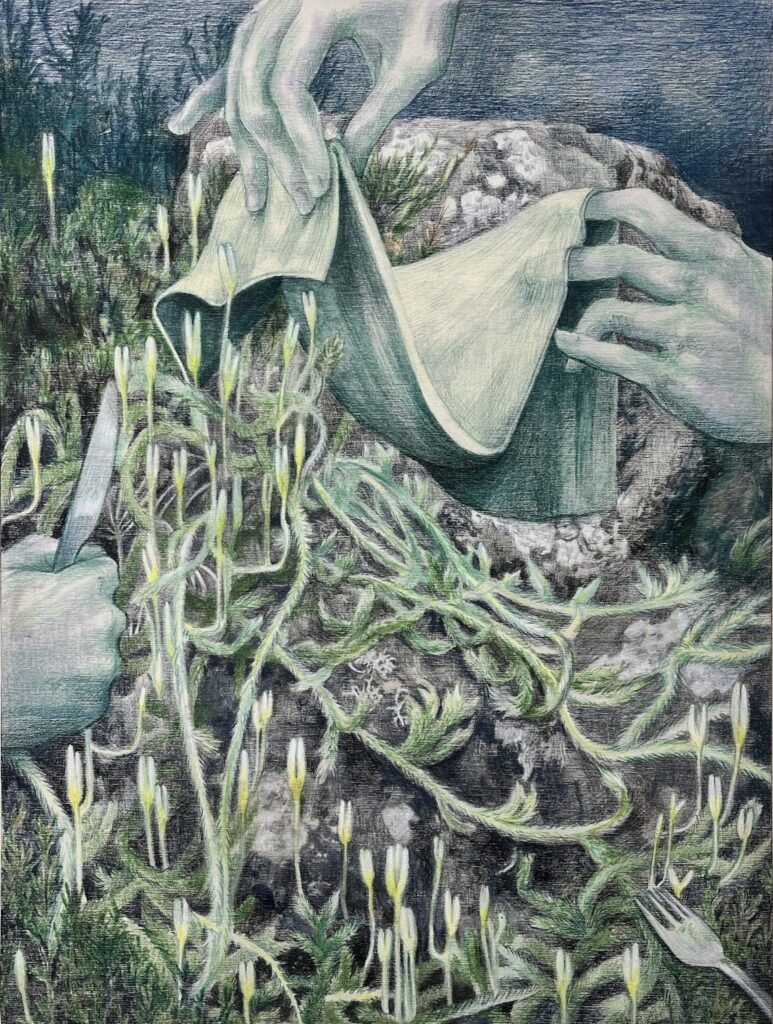
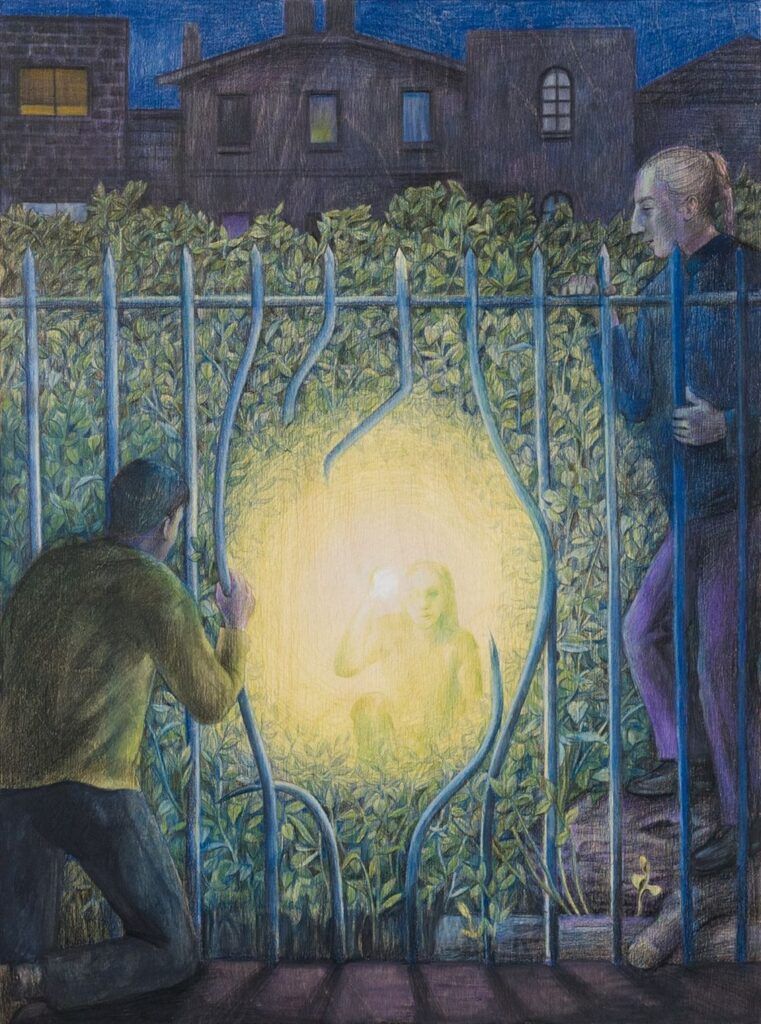
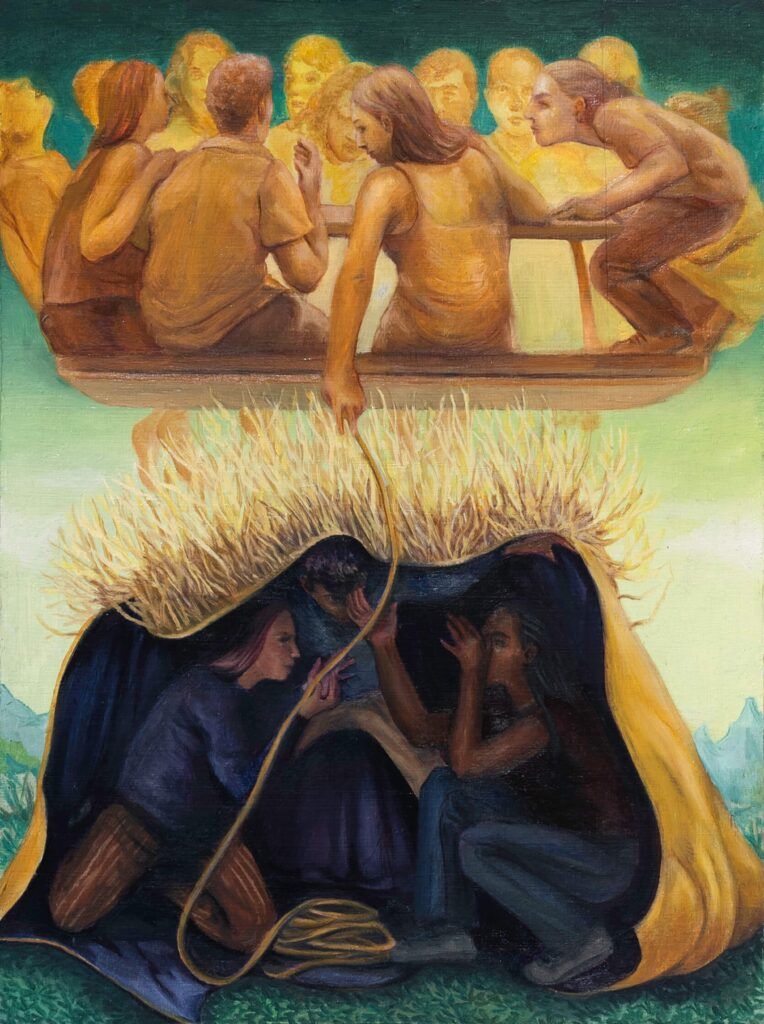
I read and listen to the news every day, and look for words and phrases which spark new images that are unrelated to the content of the original source. We process so much information that no matter how well informed we are, I think all people end up with fragmented snippets of stories and scenarios running through their heads by the end of the day. Through my work I’m displaying the fantastical scenes that occur to me, and am interested in the concealed glimmers of truth within them, and how they are perceived by the viewer.

You explore the oversaturation of media and how little of it we truly understand. Is your work a response to this chaos or a way of making sense of it?

I see my work as a reflection of how little sense we can make of everything that we digest through the media. By focusing on one image I’m creating a moment of stillness for myself, and subsequently the viewer, with a fleeting moment. For me it’s a grounding process amidst an endless stream of information. The purpose of my work is more about questioning the way we understand our world than having any of the answers to the issues.

You describe your work as a form of magical realism. How do you balance fantasy and distortion with the discipline of observational drawing?

Magical realism feels like the most fitting genre for my work because I’m reflecting on reality, but allowing my response to wander into the strange or impossible. I value observational drawing as a discipline to keep my ability sharp, so that I can make my finished artworks completely from my imagination. Since the works are made without reference, it allows for me to let the fantasy in, so I’m never tied to an image.

Your works often exist in an uncanny space, somewhere between the recognizable and the obscure. What kind of response do you hope to provoke in your audience?

I hope that the uncanny spaces in my work feel familiar enough that the viewer can place themselves in the scene, but obscure enough that they’re looking at something that starts a series of questions, or imaginative interpretations in their own heads. I want the viewer to feel included in the worlds I’ve created, but to feel slight unease or excitement about the aspect they may not immediately understand, making them look for a longer time.

Your works blend elements of anxiety and comedy without directly representing their original sources. How do you navigate this tension between darkness and humor?

Darkness and humour are part of the tone of all my works, since I think these are the overarching moods we pick up from digesting the news. Scrolling through absolute tragedy alongside celebrity gossip and adverts leaves us both devastated and entertained. I find this tension so noticeable that I can’t help but include moments of both in my work.

You often forgo traditional oil paints in favor of pencils on wood. What draws you to this medium, and how does it shape the aesthetic and conceptual impact of your work?

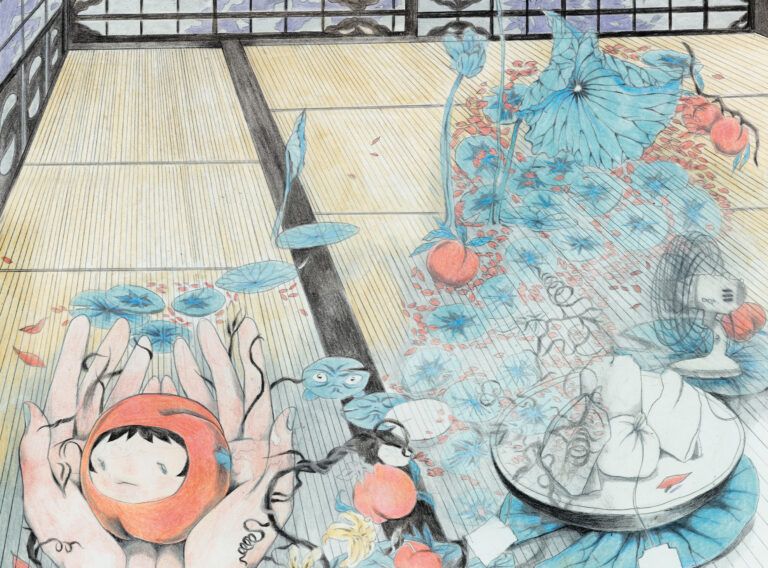
I favour making drawings on wooden panels over painting because the theme of removing hierarchical structures runs through my work. I think conceptually this lines up with questioning the superiority of painting over drawing in the art world. Through making drawings I feel that I can create more sensitive or intimate work, since the evidence of my hand and time spent through mark making is clear to see. From a purely material point of view I love the texture that wood provides as a drawing surface where the grain is slightly visible, and how the pigment is caught in the texture of the surface.

As the world increasingly moves toward digital media consumption, do you see traditional drawing as an act of resistance, or does it serve a different function in your work?

Drawing feels honest to me in a media landscape that has become bewilderingly dishonest. I know that I trust my imagination which has been created by all that I’ve seen and heard, and that I can’t trust the disinformation that pervades our newsfeeds. So it’s less of an act of resistance than a pause to reflect on the small moments in time that are encapsulated in each work.

Who are your favourite artists – whose style or approach inspires you?

I’m inspired by so many artists it’s hard to give a short summary. At the moment the ones I’ve been thinking about the most are Nicole Eisenman, Toyin Ojih Odutola, Francisco Goya, Maja Ruznic, Wangechi Mutu, Inka Essenhigh and Käthe Kollwitz.

Did you like it?
Share it with your friends

Bio

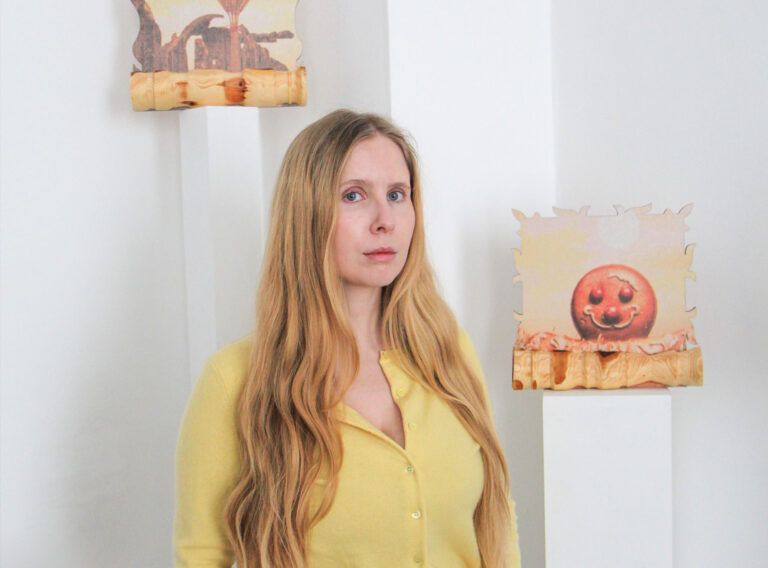
Louise Reynolds (b.1998) is an artist from Hamilton, Scotland who graduated from Fine Art at the Glasgow School of Art in 2020 with first-class honours before completing the Drawing Year at the Royal Drawing School in 2022. Louise’s work is inspired by the bewildering oversaturation of media, combining prevailing narratives into visions of dystopian present and future. Through a personal magical realism that blends fantasy and observational drawing, she creates work with glimmers of the familiar while the core inspiration remains slightly out of reach, often forgoing traditional oil paints in favor of pencils on wood to challenge hierarchical structures in art.
Credits

Artist/ Louise Reynolds @louisehreynolds

https://www.louisereynoldsfineart.com/

Interview/ Markéta Kosinová

You may also like

Ema Prosová's work doesn't announce itself loudly. Her drawings and paintings on silk operate in a register that's contemplative, layered, almost whispered: figures emerging from lychee fruits, hospital rooms floating in eerie space, architectural fragments mingling with natural forms. The work comes from years spent moving between cultures and techniques, learning lacquer painting in Vietnam, silk painting in Indonesia, living in Tokyo, and now finishing her degree at the Academy of Fine Arts in Prague.
Polish choreographer Iza Szostak’s circus is a philosophical system, a choreography of risk, precarity, and collective survival mirroring the contemporary condition. Discover today how her new performance Trapeze, premiering at Studio Hrdinů in Prague, turns the trapeze bar into a narrator, and the clown into an energy valve for a world on the brink of collapse.
“It is a story about a long night, about everything that disappears during the day and only comes out after dusk.” Polish fashion designer Pat Guzik breathes new life into her garments by collaborating with visual artists, such as Aleksandra Waliszewska and Zbiok Czajkowski, whose dreamy and tongue-in-cheek works adorn the skirts, sweatshirts, jackets, and other ready-to-wear pieces by the designer.
French painter and illustrator Sébastien Pastor navigates between naïve figuration and abstract expressionism, building visual worlds where bold color palettes pulse with rhythm and absurdity. Discover how his colorblindness became a creative signature and how he leaves room for the enigmatic in his works.