

Jozef / 31
Hey, can I ask… (Jozef interrupts)
J: …what’s in my pocket? DJ Witch asks such things. Well, I have my mobile phone, some snotty handkerchief…
What music do you listen to and are you in a band right now?
Well, along with my brother, I’m a fundamental part of “Michael Jackson Pollock” and right now I go through a period of listening to loads of rap and trap, such as Migos, Future, Young Thug, etc., and I also really enjoy old crunk, which is e.g. the song by Three Six Mafia I played earlier, called Sippin’ on Some Syrup. At the same time, I consistently listen to metal. It depends on my mood, sometimes I listen to mellow shoegaze-y guitar stuff from the 90s.
Do you think you can express opinions through clothes and fashion?
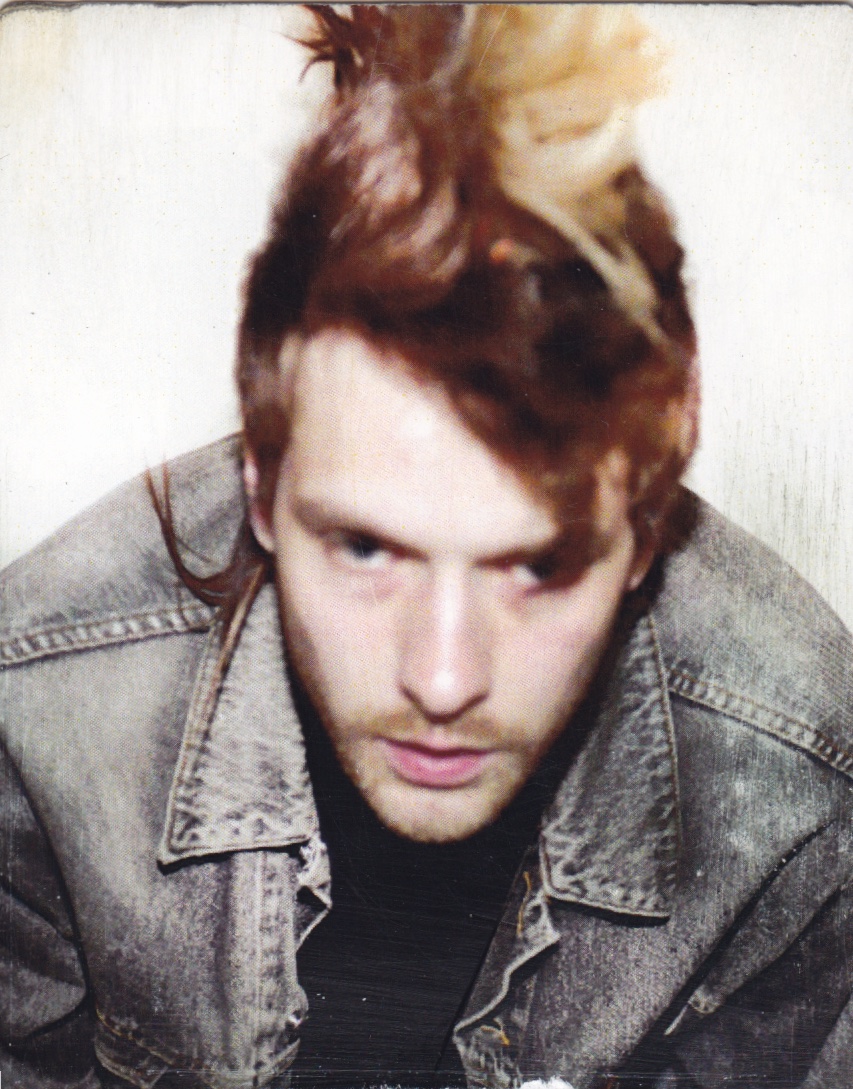
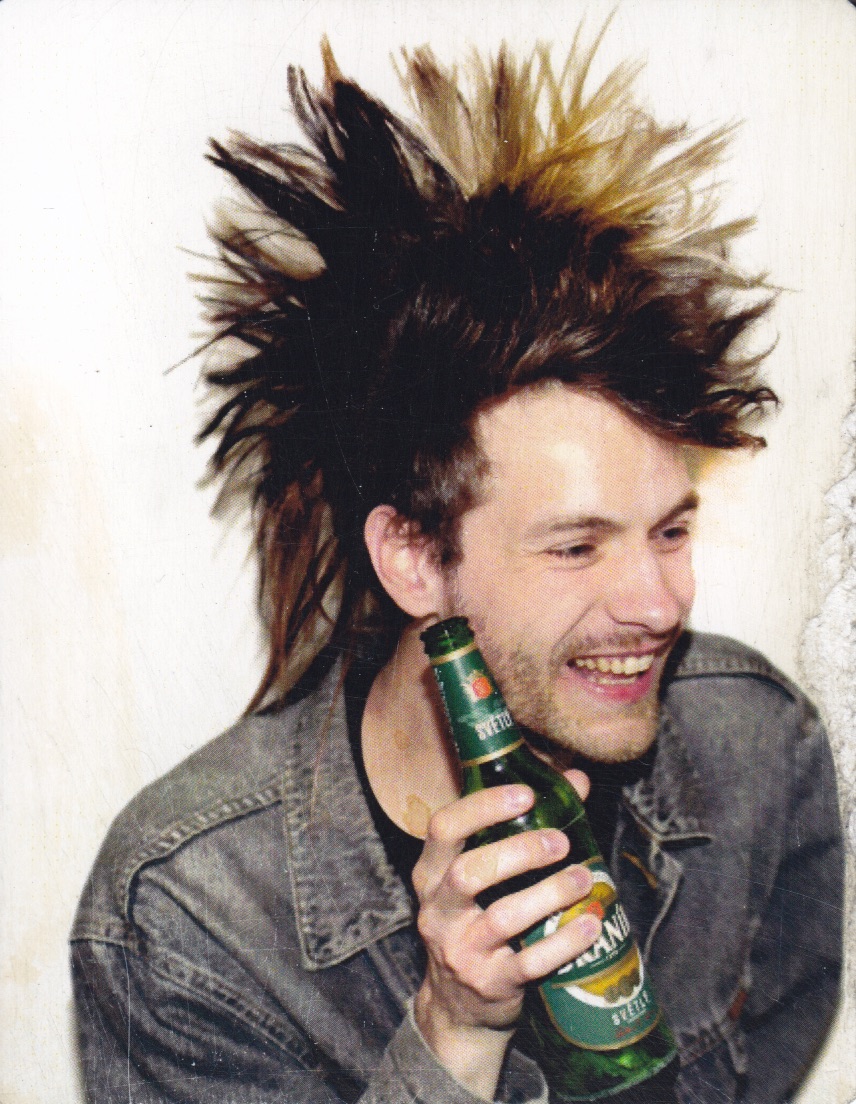
I believe so. On one hand, you have the explicit expression through text such as T-shirts with punk and metal logos and, on the other, I recently started buying more second-hand clothing and I like the idea of expressing opinions through the recycled aspect of it and also through subverting the notion of what’s supposed to be stylish, decent and appropriate nowadays by wearing sometimes completely obscure outfits. I’m 31 and I dress more trashy than ever before, so it’s a dress shirt is a no-go.
Is underground music affecting today’s young generation?
The current topic is that rock as such run out of things to say, Miloš Hroch from Radio Wave addressed this very well. Young punk or hardcore bands are still plenty but right now the voices of women or marginalized groups are starting to be more prominent in there, which I find great. On the other hand, hip hop started taking over the attitudes of rock by copying the evolution of 90s independent rock and its methods, such as distorting the speech and the beat. The tracks become weirder and less straightforwardly macho. When I talk about e.g. Lil’ Peep, he could be likened to Kurt Cobain. Even Future who’s a megastar likens himself to Hendrix because these guys realize they’re the rockers now. They’ve got the power, the energy, and the drive the rock stars on stage used to have.
Are you a part of some group engaged in politics or activism, e.g. ecological?
I would like to be increasingly more politically explicit in my art but I also think that it’s important to be organised or a part of some autonomous group.
For me, the punk scene always meant dragging political topics to light, what’s your take on this?
These topics are being concretely opened by the left here, last year the Socialist Solidarity initiated a demonstration for decent living conditions. Or Saša Uhlová shot a document “The Heroes of Capitalist Labour” about the taboos of the social dimension of poverty, pay inequality and such. Also, sexual taboos get broken by discussions about queer, transgender, transsexual or non-binary identities, about marital rape – I feel like activist groups open these topics and the bands take over then.
Can a person call themselves punk even though they don’t listen to the music?
I would personally say yes, I’ve always imagined which historical figures could be punks, such as Voltaire, Rimbaud or Baudelaire, someone or something with the “fuck society” energy. At the same time, there’s punk and punk. If I had kids and they would listen to the “orthodox” 70s-80s punk bands, I would tell them,” my dude, that’s no more rebellious than what I or my old man listened to when we were young.” Mark Fisher talked about this – our culture constantly repeats itself, we have no radical new notions and everything is basically retro, which is all caused by our social setting, late-stage capitalism, and so on.
Where in Prague could you go to discover a culture that’s still under the surface?
Definitely Klinika (now defunct). There are also low-threshold bistros such as Střecha (The Roof), Kuchařky bez domova (Cooks Without Homes), Salé or Campus Hybernská. All of these are grassroots initiatives without grants – all of them pay rent so there’s no fear the place could be taken away anytime. They create space that will work instead of falling into the never-ending controversy of squatting, which is a good strategy. And I think it’s good to support these.

Credits
Photo & Interview / Markéta Kosinová
PH Assistant & Styling / Kateřina Hynková
Hair / Michael Remo Birrer
Translation / Františka Blažková


